
Can Movers Move Firearms, Propane, and Hazardous Items in Alberta? What’s Actually Legal

Most of what’s in your home goes on the moving truck without a second thought. Then you reach the garage, the gun cabinet, or the shelf under the kitchen sink, and the questions start. Can the crew take the hunting rifle? What about the propane tank from the barbecue, or the half-empty cans of paint in the basement? Some of these items are restricted by federal law, some are classed as dangerous goods, and some are simply excluded by moving company policy. Knowing which is which before move day saves you from a last-minute scramble when the crew politely refuses to load something. Why Movers Turn Down Certain Items Moving trucks are enclosed spaces packed tightly with furniture, fabric, and cardboard. Anything flammable, pressurized, or corrosive creates a real risk of fire, explosion, or damage to everything else on board. Temperature swings make it worse, especially in Alberta, where a truck can sit in summer heat or deep winter cold. There’s also the legal side. Many hazardous materials fall under federal transportation of dangerous goods rules, which set strict requirements for packaging, labeling, and handling. Household moving companies generally aren’t set up to meet those requirements, so they exclude these items entirely. Insurance policies usually exclude them too, which means any damage they cause may not be covered. When you collect quotes from movers companies in Edmonton, ask for their non-allowable items list early. Most reputable companies have one in writing, and reading it a month before the move is much better than discovering it on the morning of. Firearms: What the Law Requires Firearms are legal to move, but the rules depend on the class of firearm and who is doing the transporting. Non-Restricted Firearms This category covers most hunting rifles and shotguns. If you’re moving them yourself, you don’t need an Authorization to Transport. You do need to make sure they’re unloaded. If you leave your vehicle unattended, the firearm must be locked in the trunk or a similar lockable compartment. If your vehicle doesn’t have one, the firearm must be kept out of sight and the vehicle locked. A trigger lock or cable lock, combined with a hard case, is a sensible step even where it isn’t strictly required. It protects the firearm and makes accidental handling much less likely during a busy move. Restricted and Prohibited Firearms The requirements are stricter here. Restricted and prohibited firearms must be unloaded, secured with a locking device, and placed in a locked, opaque container that’s difficult to break into. Most importantly, if you own a restricted or prohibited firearm and you’re moving to a new address, you must obtain an Authorization to Transport (ATT) from the Chief Firearms Officer before the move. You can apply online through your MyCFP account or by calling the Canadian Firearms Program. Leave yourself plenty of lead time, since approval isn’t instant. Updating Your Address Every licence holder must notify the Canadian Firearms Program of a change of address within 30 days of moving. It’s a condition of your licence, and it ensures renewal notices reach you. Add it to your change-of-address list alongside your driver’s licence, health card, and bank. Can Your Mover Take Them? Policies vary widely. Many household moving companies won’t transport firearms at all, and most won’t take ammunition under any circumstances. The simplest and most common approach is to move firearms yourself, in your own vehicle, following the rules above. Ammunition should travel separately and be stored securely. Propane Tanks and Other Pressurized Containers Propane cylinders are one of the most common items movers refuse. Even an “empty” tank holds residual gas, and a damaged valve in a hot, enclosed truck is a serious fire hazard. The same goes for camping fuel canisters, aerosol cans, fire extinguishers, and helium tanks. You have a few options: Disconnect the tank from the barbecue before the crew arrives so the grill itself can be loaded. Fuels, Paints, and Household Chemicals Gasoline, diesel, kerosene, paint thinners, solvents, pool chemicals, pesticides, and strong cleaners all count as hazardous materials. Movers won’t load them, and most aren’t worth moving anyway. Before move day: Edmonton has four Eco Stations, located in Ambleside, Coronation, Kennedale, and Strathcona, that take household hazardous waste such as paint, solvents, batteries, and chemicals. Drop-off is free for residents. Expired medications are a different category and should go back to a pharmacy. Other Items That Often Get Left Off the Truck Some items aren’t dangerous but still tend to be excluded: That last group isn’t about safety. It’s about making sure the things you can’t easily replace never leave your sight. A Quick Pre-Move Plan About a month out, request your mover’s restricted items list and apply for an ATT if you own restricted or prohibited firearms. Two weeks out, start using up propane, fuel, and chemicals, and plan an Eco Station trip. In the final week, drain equipment, pack firearms securely for your own vehicle, and set aside documents and valuables. The day before, walk through the garage, shed, and basement one last time. Planning for these items early is one of the easiest ways to keep a move on schedule. Most delays on moving day come from things that should have been sorted the week before. Moving With Confidence in Edmonton If you’re comparing movers companies in Edmonton, call us at 780-474-2861 or request a free estimate, and we’ll give you a written, not-to-exceed quote before you book. We’ve helped Edmonton families move since 1988, and we’re always happy to walk through what can and can’t go on the truck before your move date. Our full-time crews handle everything from heavy furniture to fragile keepsakes, and boxes and protective materials come included.
End-of-Month Moving in Edmonton: Why the Last Week Is Chaos and How to Avoid It
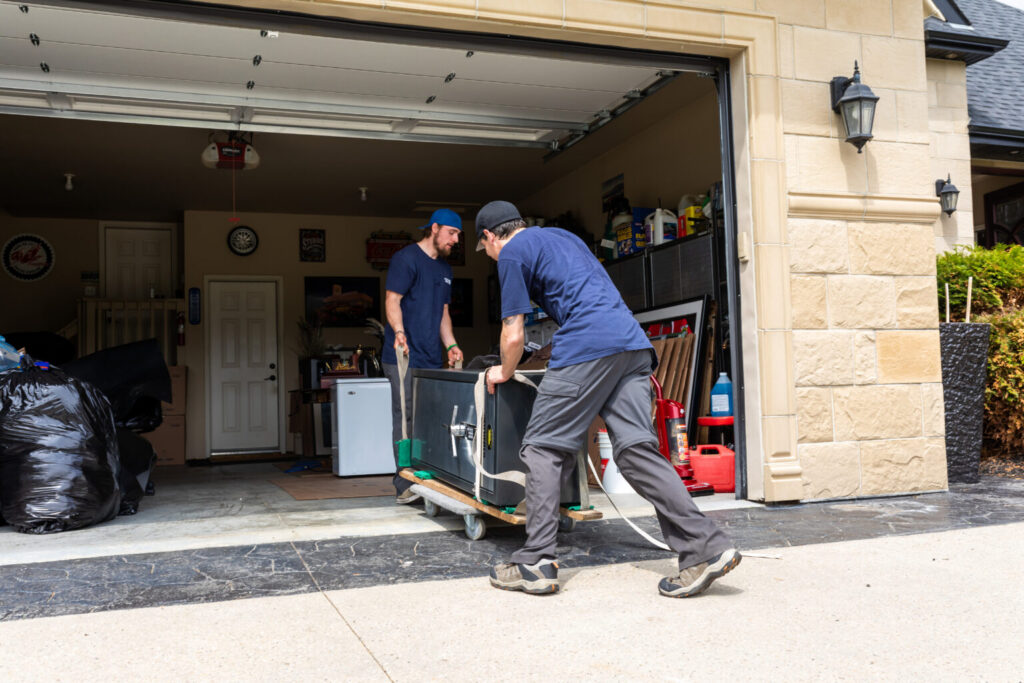
If you’ve ever tried to book a moving truck for the 30th, you already know the feeling. Every slot seems taken, the remaining options cost more, and the building manager tells you the elevator is booked solid until midnight. The last few days of any month are the busiest stretch on the moving calendar in Edmonton, and that pressure affects nearly everything from pricing to how smoothly the day itself goes. The crunch isn’t random. It comes from the way leases, house sales, and possession dates are structured. Once you understand why it happens, you can either work around it or plan for it so it doesn’t catch you off guard. Why Everyone Moves at the Same Time Most residential leases in Alberta run month to month or end on the last day of a month. Tenants moving out and tenants moving in are all working toward the same deadline, often within the same 48 hours. A single apartment building might have six units turning over on the 31st, and every one of those households needs the same loading zone, the same elevator, and a crew for the same morning. House sales follow a similar pattern. Buyers and sellers tend to pick month-end or first-of-the-month possession dates because they line up with mortgage payments, rent, and employment schedules. In Alberta, possession is often set for around noon on the agreed day, which leaves a narrow window for one family to get out and another to get in. Stack those together and you get a predictable spike. Demand for movers in Edmonton can be several times higher on the last two days of a month than it is on a Tuesday in the middle. What That Chaos Actually Looks Like The problems at month-end aren’t only about availability. They tend to compound. Option One: Avoid the Last Week Altogether The cleanest solution is to not move at month-end at all, and that’s more realistic than many people assume. If you’re buying a home, talk to your realtor about a mid-month possession date. Sellers are sometimes flexible, especially if it suits their own plans. If you’re renting, ask your new landlord whether you can start the lease on the 15th, or ask your current landlord about extending by a couple of weeks. A short overlap, where you hold both places for a few days, often costs less than people expect once you factor in peak-day pricing and the stress of a single-day turnaround. Mid-month weekdays, particularly Tuesday through Thursday, are usually the easiest days to book and the most affordable. You get more control over the arrival time and a crew that isn’t racing to its next job. Option Two: Make Month-End Work for You Sometimes the dates are fixed. A lease ends when it ends, and a possession date in a purchase contract isn’t easy to change. In that case, the goal is to remove as many variables as possible. Bridge the Gap With Storage One of the most common month-end headaches is a mismatch: your lease ends on the 31st, but your new home isn’t available until the 3rd. Or the seller needs a few extra days and asks to push possession. Short-term storage solves this without forcing you into a hotel with all your belongings in a driveway. Your items can be loaded out on your move-out day, stored for a few days or weeks, and delivered once the new place is ready. In the colder months, ask specifically for heated storage, since Edmonton winters are hard on electronics, wooden furniture, and anything liquid. When you call movers in Edmonton for quotes, ask whether storage is handled in-house or through a third party. When the same company moves, stores, and delivers your belongings, there are fewer handoffs and fewer chances for something to go missing. Prepare as if the Day Will Run Late Even with good planning, month-end moves have less slack built in. A few habits help absorb the pressure. Finish packing at least two days before the move. Crews can’t load what isn’t boxed, and last-minute packing is the single biggest reason moves take longer than quoted. Arrange utilities well ahead. Transfer or start electricity, natural gas, water, and internet a week or more in advance, since service providers also see month-end spikes. Keep a bag with essentials for the first 48 hours: chargers, medication, toiletries, a change of clothes, important documents, and keys. If the truck arrives later than planned, you won’t be stuck. A Little Flexibility Goes a Long Way The end of the month will always be busy in Edmonton. That doesn’t mean your move has to be. Shifting your date by even a few days, booking early, and leaving room for delays can turn a stressful scramble into a manageable day. And if you’re locked into month-end, choosing experienced movers in Edmonton with a written quote and storage options gives you a backup plan if possession dates or building schedules don’t cooperate.
Fall Moving in Edmonton: Rain, Leaves & Shorter Days

Fall is one of the smartest times to move in Edmonton, and one of the most underrated. The summer rush is over, the university crowd has settled in, and moving dates that were booked solid in July suddenly open up. Rates often soften too, especially for mid-month weekdays. But an Edmonton autumn is not one season so much as three crammed into a few weeks. September can feel like summer. October brings cold rain, piles of wet leaves, and the first hard frosts. By November, snow is a real possibility and the sun sets before most people leave work. A fall move goes smoothly when you plan for all three versions at once. Why Fall Works in Your Favor Before getting into the weather, it’s worth knowing what you gain by moving now. Demand drops after Labour Day, so you have more choice of dates and a better chance of getting a morning start time. Crews aren’t stretched across back-to-back summer jobs, and the end-of-month crunch is far less intense than it is in June or August. If you have any flexibility, aim for a Tuesday, Wednesday, or Thursday in the middle of the month. Those slots tend to be the easiest to book and the most affordable. Even in fall, though, reputable movers companies in Edmonton can fill up around the last few days of October and November, so booking two to four weeks ahead is still wise. Rain Is the Biggest Threat to Your Boxes Cardboard and water don’t mix. A box that sits on a wet driveway for ten minutes can soften at the bottom, and once that happens, the weight inside does the rest. A few habits make a big difference: Inside, rain means mud. Put heavy rubber mats at every entrance, lay floor runners along the main path, and keep a stack of old towels near each door. Ask whether your movers bring floor and doorway protection, since hardwood and carpet take the most damage on wet days. Wet Leaves Are More Slippery Than They Look Anyone who has carried a dresser down a set of front steps covered in soggy poplar leaves knows the problem. Wet leaves can be as slick as ice, and they hide uneven paving stones, hoses, and garden edging underneath. A day or two before your move, rake or blow the leaves off your driveway, walkways, and front steps. Do the same at the new home if you can get access. Clear out the gutters above the main entrance too; overflowing gutters tend to dump water right where people are walking with their arms full. On cold mornings, those leaves often freeze in place. Keep a bag of ice melt or sand on hand from mid-October onward, and spread it on steps and ramps before the crew arrives. It’s a small job that prevents the kind of fall that ends a move early. Shorter Days Mean You Need an Earlier Start In early September, Edmonton gets well over 13 hours of daylight. By late November, that drops to roughly eight, with the sun setting not long after 4 p.m. Daylight saving time ends in early November, and it suddenly feels like evening arrives in the middle of the afternoon. That matters more than people expect. Carrying furniture in the dark is slower and riskier, and unloading at a new home with no working porch light is frustrating for everyone. To stay ahead of the clock: If your move involves a long drive, such as Edmonton to Grande Prairie or Fort McMurray, plan to arrive with daylight to spare. Unfamiliar highways in the dark and early snow on the shoulders are not a great combination after a long day of packing. Prepare for the First Hard Frost Overnight temperatures in Edmonton can drop below freezing well before the snow sticks around. If your belongings will spend a night in a truck or an unheated garage, pull out anything that can freeze. That includes liquid cleaners, cooking oils, wine, canned goods, and houseplants. Paint and propane shouldn’t travel with your household goods anyway. Electronics need care too. When a TV, laptop, or speaker comes in from the cold, let it warm up to room temperature before you switch it on. Condensation can form inside, and powering up too soon is a common way to damage circuit boards. If your possession dates don’t line up, ask about heated storage rather than parking your belongings in an unheated unit for a few weeks. Fall in Edmonton can turn into winter overnight, and what was a mild storage plan in September can look very different by mid-November. Get the New Home Ready for Cold Weather A fall move is a good excuse to check the things you’ll rely on all winter. Schedule a furnace inspection at the new place before you arrive, or at least turn the heat on and confirm it works. Check that the outside water taps are shut off and drained so they don’t freeze and burst. If you’re bringing a garden hose, empty it fully before you pack it. It’s also a smart time to swap your own vehicle for winter tires. Many people end up making extra trips between homes in the days after a move, and those early-season roads can catch drivers off guard. A Simple Fall Moving Checklist Book Your Fall Move With a Local Edmonton Team We’ve been moving Edmonton households through every kind of fall weather since 1988, from the same yard on 54th Street. Our full-time crews protect floors and doorways before they carry a single box, wrap furniture inside the house, and know how to keep a move on schedule when daylight is running short. Boxes, mattress covers, and protective materials come with every job at no extra charge. Call us at 780-474-2861 or request a free estimate. As one of the longest-running movers companies in Edmonton, we’ll help you take advantage of the quieter season before winter arrives.
Fall Moving in Leduc: What Leduc Movers Recommend Before Temperatures Drop

Leduc has a way of sliding from fall into winter without much warning. One week you’re walking the trails around Telford Lake in a light jacket, and the next you’re scraping frost off the windshield before sunrise. For anyone planning a move this season, that short window matters. The weeks before the deep cold sets in are often the best time of year to relocate, as long as you plan around what’s coming. Whether you’re moving into a newer home in Southfork, leaving a starter house in Meadowview, or relocating closer to work at Nisku or the airport, the advice below comes from the kinds of problems that show up on real fall moves, and how to avoid them. Book Before the Weather Makes the Decision for You The most common regret people have about fall moves is waiting too long. They plan for late November, a cold snap rolls in, and suddenly the driveway is ice, the truck is fighting a north wind, and every box feels twice as heavy. If your dates are flexible, aim for September through mid-October. Daylight is still reasonable, the ground is usually dry, and the risk of a snowstorm is lower. Mid-month weekdays tend to have the best availability, while the last few days of each month fill quickly because so many possession dates land there. When you start calling movers in Leduc, ask how they handle a move if the weather turns on the day. A good company will have a plan for rain, wind, and early snow rather than simply hoping it doesn’t happen. Plan Around Shift Schedules Plenty of Leduc households work rotations in the energy sector, at the airport, or in the industrial parks around Nisku. That makes timing more complicated than picking a Saturday. If one partner is away on a two-week rotation, try to schedule the move during their days off rather than leaving one person to manage it alone. Book early so your preferred dates aren’t gone by the time the schedule is confirmed. If the timing can’t line up perfectly, short-term storage can bridge the gap: move out when you need to, then move in once everyone is home. Deal With the Outdoor Equipment First Summer gear is the first thing that needs attention in a fall move, and it’s also the stuff people tend to leave until the last minute. Pack in Seasonal Order A fall move gives you a natural way to sort your belongings. Pack summer items first, since you won’t need them for months: beach gear, fans, gardening tools, and warm-weather clothing. Mark those boxes clearly so they can go straight into the basement or garage at the new home. Winter items should be packed last and unloaded first. Put the shovels, ice scrapers, boots, and mitts in a clearly labeled box that rides near the back of the truck. Many Leduc families have learned the hard way that the first snowfall often arrives during the week they’re still unpacking. Watch the Drive Along the QEII Many fall moves in this area include a stretch of Highway 2, whether you’re coming from south Edmonton, heading to Leduc from Red Deer, or moving out toward Beaumont or Devon. In October and November, that highway can be clear in the afternoon and glazed with black ice by evening, especially over bridges and overpasses. If you’re driving your own vehicles alongside the truck, switch to winter tires before moving week, not after. Plan your trips for daylight hours, keep an emergency kit in the car, and don’t overload a personal vehicle with heavy boxes that change how it handles on slick roads. Experienced movers in Leduc will build travel conditions into the schedule, but your own car is your responsibility. Keep Sensitive Items Out of the Cold Overnight temperatures in Leduc can dip well below zero by mid-October. Most belongings handle a short trip without trouble, but some items react badly to freezing. Bring liquids in your heated car rather than the truck. That includes cleaning products, cooking oils, wine, soft drinks, and canned goods. Houseplants should travel with you too, wrapped loosely in paper to protect them on the walk from the door to the car. Electronics need a little patience after a cold trip. Let televisions, computers, and gaming consoles warm up to room temperature for a few hours before plugging them in, since condensation can form inside the casing. The same goes for wooden instruments and fine furniture finishes, which can crack when they shift quickly between cold and warm air. Set Up Utilities and Heat Before Moving Day Arrange your electricity and natural gas service with your chosen retailer, and contact the City of Leduc to set up water, wastewater, and waste collection at your new address. Do this at least a week ahead so there’s no gap in service. Once you have the keys, turn the furnace on and check that every room heats properly. Replace the filter, test the smoke and carbon monoxide detectors, and look for drafts around doors and windows. If the home sat empty for a while, run the taps to make sure water flows freely and nothing has frozen. At the home you’re leaving, shut off and drain the outdoor taps, disconnect the hoses, and clear leaves from the eavestroughs. It’s a small courtesy to the next owner, and it protects you from frozen pipe disputes after the sale. Protect the Floors Fall in Leduc means mud, wet leaves, and eventually slush. Put heavy mats at every entrance, cover hardwood and carpet along the main walking path, and keep a few old towels by the door. Rake the driveway and front steps the day before, and keep some ice melt handy if a frosty morning is in the forecast. Moving to or From Leduc This Fall We’ve been helping families move in and around the Edmonton region since 1988, and Leduc is one of the communities we serve most often. Our full-time crews
How to Pack a Kitchen for Moving in Edmonton?

Ask anyone who has moved a few times which room took the longest, and most will say the kitchen. It holds more individual items than any other room in the house, and almost all of them are fragile, sharp, heavy, awkwardly shaped, or likely to leak. Add an Edmonton winter, when a jar of pickles can freeze solid in a truck overnight, and the job needs more planning than people expect. The good news is that a kitchen packs well when you follow a sequence. Here is how to do it without broken plates, crushed boxes, or a frantic search for the coffee maker on your first morning in the new place. Start by Shrinking What You Have to Move The easiest item to pack is the one you never put in a box. About two weeks before your move, start cooking from the freezer and pantry instead of shopping. Plan meals around the half-bag of rice, the frozen perogies, and the three open boxes of pasta. Unopened, non-perishable food you won’t use can go to Edmonton’s Food Bank, which accepts donations at drop-off points across the city. Expired spices, stale crackers, and that mystery sauce from 2023 can go straight in the bin. Then deal with the items most moving companies won’t carry. Propane cylinders, aerosol cans, oven cleaners, lighter fluid, and similar products are flammable or corrosive. Use them up, give them to a neighbor, or take them to a City of Edmonton Eco Station for proper disposal. Get the Right Supplies Before You Wrap Anything Grocery store boxes seem like a bargain until the bottom gives out under a stack of dinner plates. For a kitchen, you want: Before you buy anything, check what your mover provides. Some movers in Edmonton include boxes and protective materials in the quote, which can save you a separate trip and a surprising amount of money. Pack in the Reverse Order of Use Start with the things you rarely touch. A week out, box up the roasting pan, the slow cooker you use once a winter, holiday platters, cookbooks, and the bread maker hiding in the back cupboard. A few days later, move on to most of your dishes, leaving just enough for each person in the household. Everyday essentials go last. This approach keeps your kitchen usable for as long as possible and stops you from ordering takeout for a full week before the move. How to Wrap Dishes, Glasses, and Stemware Begin each box with a cushioned base of crumpled paper, about two or three inches deep. Heavier items go at the bottom and lighter ones on top. Fill every gap with crumpled paper, close the box, and give it a gentle shake. If you hear anything shift or clink, open it and add more padding. Keep each box under about 18 kg (40 lb), and write “FRAGILE” and “THIS SIDE UP” on at least two sides, not only the top. Knives, Pots, and Small Appliances Knives deserve their own method. Wrap each blade in a few layers of paper or a dish towel, secure it with tape or a rubber band, and pack the bundle with the points facing the same direction. Write “SHARP” on the box so nobody reaches in blindly. Pots and pans can nest together with paper between them, while lids are best wrapped separately and slid down the sides of the box. Cast iron is nearly indestructible but very heavy, so pair it with lighter items rather than filling a box with it. For small appliances, the original box is ideal if you still have it. Otherwise, remove anything detachable (blender jars, glass carafes, the inner pot of a pressure cooker) and wrap those parts on their own. Coil cords and tape them to the appliance body, then put loose screws or blades in a labeled zip-top bag. Edmonton Weather Changes the Rules Moving in the Edmonton area between October and April brings problems that people in milder cities rarely think about. Liquids freeze and expand. Olive oil, vinegar, sauces, soft drinks, and wine can crack their bottles or push off their lids if they spend a night in an unheated truck, garage, or storage space at −25°C. Carry them in your heated car instead, sealed in a bin or a lined box in case anything leaks. Glass and ceramic also become more brittle in deep cold. When boxes come in from outside, let them warm up for an hour or two before unpacking, and avoid running hot water over cold glassware straight away. If your schedule is tight in the winter months, ask your movers in Edmonton about heated storage so your kitchen goods aren’t sitting in a frozen space between possession dates. Your fridge and freezer need attention too. Empty them, unplug them a day or two before the move, let them defrost completely, and dry the inside thoroughly. A damp fridge closed up for even a short trip can smell of mildew when you open it. Summer moves bring the opposite issue. Perishable food spoils quickly in a hot vehicle, which is one more reason to eat down your supplies early. Pack a First-Night Kitchen Box This box rides with you, not on the truck. Include a kettle or coffee maker, mugs, one plate, bowl, and set of cutlery per person, a small pot, a frying pan, a spatula, a can opener, dish soap, a cloth, paper towels, garbage bags, and some easy snacks. After a long day of moving, being able to make tea and a simple meal without digging through 30 boxes makes the evening much more bearable. Label So Anyone Can Unpack It Write the room, the contents, and a priority level on each box, for example: “Kitchen – everyday dishes – unpack first.” Numbering boxes and keeping a short list on your phone makes it easy to confirm that everything arrived. Clear labels also help the crew place boxes on the kitchen counter or floor instead
Moving in Edmonton Winter: How to Protect Your Belongings When It’s -30°C
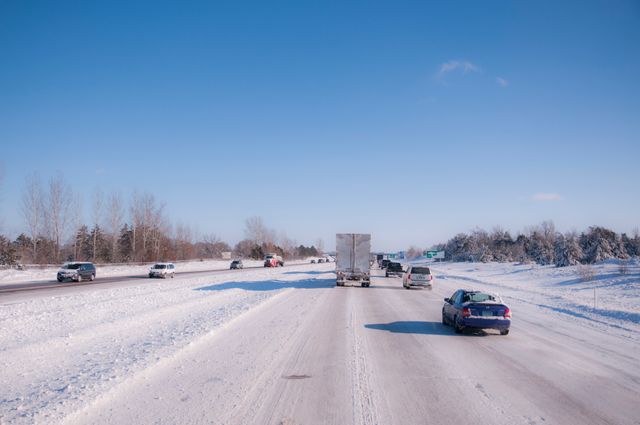
Nobody chooses to move during a cold snap, but in Edmonton, possession dates don’t wait for a chinook. Every winter, thousands of households end up loading trucks when the thermometer reads -25°C or lower, with wind chill pushing it well past -30°C. At those temperatures, the problem isn’t only the people doing the lifting. Cold changes how materials behave. Plastic cracks, glass becomes brittle, wood shrinks, and electronics can be damaged the moment they come back inside. A winter move goes well when you understand what the cold does to each type of belonging and plan around it. What Extreme Cold Does to Your Things It helps to know what you’re protecting against. Book Smart and Start Early In December, Edmonton gets fewer than eight hours of daylight, and the coldest part of the day is often right around sunrise. That leaves a short window to load, drive, and unload. When you contact movers in Edmonton, ask for the earliest arrival window available and confirm what the crew does to protect items in severe cold. Ask, too, whether the move could be rescheduled if an extreme cold warning is issued, and whether heated storage is available if the dates slip. Winter moves tend to run a little longer than summer ones, so budget for extra time rather than counting on the best-case estimate. Packing for the Deep Freeze Your packing choices make a bigger difference in winter than at any other time of year. The Items That Should Never Ride in the Truck At -30°C, some belongings simply shouldn’t spend an hour in an unheated truck. Plants need extra care even in your car. Wrap each one loosely in paper or a light sheet, warm the vehicle before carrying them out, and move them in the shortest possible trip. Prepare Your Appliances Large appliances need some attention before a winter move, mainly because of trapped water. Washing machines hold water in the pump and hoses. If it freezes in the truck, it can crack the pump or split a hose. Drain the machine fully, following the manufacturer’s instructions, and disconnect and dry the hoses. Dishwashers and fridges with water lines need the same treatment. Shut off the water supply, drain the lines, and empty the ice maker. Defrost freezers a day or two ahead and dry them thoroughly. Once appliances arrive at the new home, give them time to reach room temperature before you run them. Many manufacturers recommend waiting several hours, and sometimes longer for refrigerators, so the compressor oil can settle. Loading Order Matters Ask your crew to load the most cold-sensitive items last so they spend the least time in the truck and come off first at the other end. That usually means TVs, computers, wooden furniture, and boxes of glassware. Sturdy items like bed frames, metal shelving, and tools can go on first. Experienced movers in Edmonton plan load order around the cold as a matter of routine, but it’s still worth a quick conversation before loading begins, especially if you have antiques, instruments, or expensive electronics. Protect Both Homes Front doors stay open for long stretches on moving day, and both houses lose heat quickly. At the old home, close interior doors to bedrooms and bathrooms so the furnace isn’t trying to warm the entire house. At the new one, turn the heat up a few hours before the truck arrives so the house is warm enough to absorb the cold air rushing in. Don’t shut the furnace off at either address. Lay heavy mats and floor runners at entrances to protect against snow, slush, and ice melt. Clear the driveway and walkways, spread grit or ice melt on steps, and make sure the path from the truck to the door is as short and direct as possible. Turn on exterior lights so the crew isn’t working in the dark by mid-afternoon. Give Everything Time to Warm Up This is the step most people skip because they’re eager to settle in. Once the boxes are inside, leave them closed for a few hours. Let electronics sit until they’ve fully reached room temperature, ideally overnight for large TVs and computers. Leave wood furniture wrapped for a while so it warms gradually. Avoid putting cold glassware straight into hot water. Don’t Forget Your Own Vehicle Plug in your block heater the night before, and keep the car warm for transporting plants, electronics, and pets. Pack an emergency kit with a blanket, a scraper, a phone charger, and snacks. If your move involves highway driving, check road conditions before setting out. A -30°C moving day is never going to be pleasant, but it doesn’t have to cost you anything you own. Packing with insulation in mind, keeping sensitive items in a heated vehicle, draining appliances, and giving everything time to warm up will protect almost all of your belongings. And if you’re still choosing movers in Edmonton for a winter date, ask how they handle extreme cold before you book. The answer will tell you a lot.
How Long Does Moving Take in Edmonton?

One of the most common moving questions is also one of the hardest to answer with a single number: How long will the move take? A small apartment across Edmonton may take a few hours, while a large house with stairs, heavy furniture, long carrying distances, or difficult access can take most of a day. In case you are hiring movers in Edmonton, the most useful way to estimate your timeline is to look beyond the distance between the two addresses. The number of belongings, crew size, property access, packing requirements, and moving conditions can all change the amount of time required. What Determines How Long a Move Takes? Two homes with the same number of bedrooms can require very different amounts of moving time. A house with a driveway beside the entrance may be relatively straightforward, while an apartment with a long hallway, elevator reservation, and limited loading area can take considerably longer despite having fewer belongings. The main factors include: This is why a reliable estimate should be based on the actual circumstances of your move rather than simply the number of rooms. Typical Timeframes for Local Edmonton Moves There is no universal timetable, but approximate ranges can help you plan. Studio or Small Apartment: 2–4 Hours A small, well-organized apartment in Edmonton with relatively few belongings and straightforward access may be completed within a few hours. However, elevators, stairs, long hallways, or difficult parking can extend the timeline significantly. One-Bedroom Apartment: 3–5 Hours A one-bedroom move typically involves more furniture and boxes, but it can still be relatively quick when everything is packed and access is straightforward. A building with an elevator reservation or restricted moving hours may require additional planning. Two-Bedroom Home or Apartment: 4–7 Hours A two-bedroom move can take most of the day, especially with substantial furniture or challenging access. The number of boxes alone does not tell the whole story. A home with minimal furniture may move faster than a smaller property packed with heavy wardrobes, shelving, appliances, and other bulky items. Three-Bedroom Home: 6–9 Hours A three-bedroom household often requires a substantial amount of loading and unloading time. If furniture needs to be disassembled, wrapped, carried down stairs, or maneuvered through narrow doorways, the timeline can increase. Four-Bedroom Home or Larger: Full Day or More Larger homes can take most of a day, and complicated relocations may take longer. Professional packing, extensive furniture, difficult access, storage, or specialty items can add significant time. These are planning ranges rather than guaranteed durations. Actual moving time depends on the specific conditions at both properties. Loading Usually Takes Longer Than People Expect Many people underestimate how much time is involved before the truck even leaves the driveway. Movers in Edmonton need to bring equipment into the property, protect furniture and floors, carry belongings to the truck, organize items inside the truck, and secure the load. Furniture may need to be wrapped or disassembled before it can leave the room. A truck that looks large enough for the contents doesn’t mean everything can simply be carried out and placed inside. Efficient loading means organizing the space so belongings stay secure during transport and can be unloaded in an orderly way. Unloading Has Its Own Time Requirements The same principle applies at the destination. Furniture needs to be carried from the truck into the property and positioned appropriately. Boxes need to be delivered to the correct rooms, while larger pieces may require careful maneuvering through entrances and hallways. If the new home has stairs, elevators, narrow doorways, or a long distance between parking and the entrance, unloading can take considerably longer than expected. Having a clear plan for furniture placement can save time. If movers need to repeatedly ask where items belong, the process becomes less efficient. Packing Can Add Hours to Your Move Packing and moving are two separate tasks. If everything is already boxed, labeled, and ready when the crew arrives, the movers can focus on loading and transportation. If boxes still need to be packed, the schedule can expand considerably. Professional packing can be useful when you have limited time or a large number of belongings. Another option is partial packing, where you handle everyday items yourself and bring in help for fragile or difficult belongings. If you are packing independently, aim to finish before moving day rather than expecting to pack while the movers are loading. Stairs Can Have a Significant Impact A flight of stairs may not sound like a major issue, but moving large furniture repeatedly up or down stairs is physically demanding and time-consuming. Consider both properties. For example, your current home may have easy main-floor access while your new apartment has three flights of stairs. Alternatively, an elevator may be available but require a reservation and have a strict time window. Tell the moving company about stairs before booking. This allows the expected workload and crew requirements to be assessed more accurately. Elevator Access Requires Planning Apartment and condo moves introduce another potential source of delay. An elevator may need to be reserved in advance, and some buildings only allow moves during specific hours. Protective padding or other building requirements may also apply. If the elevator is unavailable when the crew arrives, the movers may have to wait or use stairs where possible. Before moving day, confirm: Handling these details beforehand can prevent avoidable delays. Traffic Can Affect the Middle of Your Day Edmonton traffic can affect the transportation portion of a move, especially when the route crosses busy areas during peak periods. This matters because a delay on the road does not necessarily affect only the driving time. If loading finishes later than expected, traffic can push the arrival even further into the day. Avoid scheduling important appointments immediately after the estimated arrival time. Give yourself some breathing room between the expected end of the move and other commitments. Weather Can Change the Timeline Edmonton’s weather can affect moving conditions throughout the year. Rain can make walkways
How to Find a Senior Moving Company in Edmonton

Moving later in life can involve decisions that are very different from a typical household relocation. It may mean downsizing after decades in the same home, transitioning to a smaller residence, moving closer to family, or preparing for a retirement or assisted-living community. Physical work matters, but so do patience, communication, organization, and respect. When searching for senior movers in Edmonton, the goal should be to find a company that understands these differences rather than treating the move like any other job. Choosing the right company starts with looking beyond the hourly rate. A senior move often involves more planning, more sorting, and more coordination than the actual transportation. Understand What a Senior Move Involves Before contacting moving companies, think about what makes the upcoming relocation different from a standard move. For many older adults, the move may involve years or decades of accumulated belongings. Some items have practical value, while others have strong sentimental significance. Deciding what to take, donate, sell, give to family, or discard can become one of the most difficult parts of the process. There may also be additional logistics, such as: Understanding these requirements before requesting quotes makes it easier to find a company capable of handling the entire situation. Look for Experience With Senior Relocations A company that regularly handles household moves may have the equipment and manpower to transport furniture, but senior relocations can require a different approach. Ask prospective movers whether they have experience with downsizing, retirement moves, apartment or condo relocations, and situations where family members are helping coordinate the process. You should also ask how they approach fragile belongings and whether they offer packing or unpacking assistance. The important question is not simply, “Can you move my furniture?” It is, “Can you help make this particular transition manageable?” Check What Services Are Actually Available Different senior moves require different levels of support. Some people only need transportation and heavy lifting. Others may need help packing an entire home. Before choosing a company, determine whether it offers: Having these services available through one provider can reduce the number of separate companies you have to coordinate. For example, if the new residence is not ready immediately, combining moving and storage may be much easier than moving belongings twice through unrelated providers. Pay Attention to How the Company Communicates Communication matters most when planning a senior relocation. A good moving company in Edmonton should be willing to explain the process clearly, answer questions, and provide enough information for you to make an informed decision. Pay attention to whether the company: If you are coordinating the move for an older parent or relative, clear communication can also reduce the amount of uncertainty for everyone involved. Ask About the Moving Crew The people physically handling the belongings can make a major difference to the experience. Ask whether the company uses its own employees or subcontracted labor. Find out whether the crew is experienced with residential moves and how the company handles fragile, heavy, or sentimental belongings. It is also reasonable to ask how many senior movers in Edmonton will be assigned to the job. A move that requires significant furniture handling may need a different crew size than a small apartment relocation. Get a Written Estimate Never choose a moving company based solely on an informal verbal price. Ask for a written estimate that clearly explains how the charges are calculated. For local Edmonton moves, hourly pricing is common, but the details matter. Ask when the clock starts, whether there is a minimum booking period, whether travel time is included, and whether there are additional charges for stairs, long carries, packing, or other services. A very low hourly rate does not necessarily mean a lower final bill. A slower crew or unexpected fees can make an apparently inexpensive move cost considerably more. Check Insurance and Liability Information Moving involves handling furniture, electronics, artwork, glass, and other belongings, so it is important to understand how the company handles damage or loss. Ask what coverage is included and what happens if something is damaged during transportation. Do not assume that the word “insured” automatically means every item will be replaced at its full retail value. Ask the company to explain its coverage in straightforward terms before booking. Read Reviews for More Than the Star Rating Online reviews can provide useful clues, but do not look only at the overall rating. Read individual reviews and look for comments about: Look for patterns rather than relying on one exceptionally positive or negative review. If several customers independently mention the same strength or recurring problem, that information may be more useful than the overall numerical rating. Ask About Storage if Downsizing Is Involved Downsizing often creates a difficult question: what happens to belongings that are important but cannot fit in the new home? You may want to give furniture or possessions to family members gradually rather than deciding everything during the move. In other situations, a temporary storage period gives everyone time to decide what should ultimately stay. If storage may be required, ask whether the moving company provides it directly and whether the same crew can manage the transition. Do Not Rush the Decluttering Process Downsizing can be emotional. An old dining table may represent decades of family gatherings. A box of photographs may have little monetary value but enormous personal importance. Instead of deciding everything in a single weekend, divide belongings into categories and work through one area at a time. Consider creating separate groups for: This approach creates progress without forcing every emotional decision at once. Why We Understand the Needs of Senior Moves We provide senior moving services in Edmonton with an understanding that these relocations can involve downsizing, family coordination, careful handling, and significant life changes. Our senior moving service is part of a broader range of residential moving, packing, and storage solutions, allowing us to support different stages of a relocation. We have been serving Edmonton since 1988, and our crews are full-time
How to Secure Movers in Leduc During Peak Season
Peak moving season can make an otherwise straightforward relocation surprisingly difficult to organize. As demand rises, preferred moving dates fill quickly, schedules become less flexible, and waiting too long can leave you trying to coordinate everything around whatever availability remains. If you are planning a move in Leduc during a busy period, securing movers in Leduc should be one of the first items on your checklist, not something to arrange after everything else is packed. The good news is that peak-season moving does not have to mean unnecessary stress. With the right timeline, information, and preparation, you can improve your chances of getting the moving date and services you actually need. Understand When Peak Season Gets Busy Moving demand tends to increase during the warmer months, particularly from late spring through summer. Families often prefer moving during school breaks, while renters may coordinate relocations around lease dates and homeowners may have closing and possession dates that determine exactly when they need to move. Certain days can be particularly competitive, including: If your schedule is flexible, ask about weekday or mid-month availability. Even shifting your move by a day or two may give you additional options. If your date is fixed because of a real estate closing, lease expiration, or possession date, start the booking process as soon as you know that date. Book Earlier Than You Think You Need To The biggest advantage you can give yourself during peak season in Leduc is time. Waiting until the final week to find a moving company creates unnecessary pressure. You may have fewer choices, less flexibility around arrival windows, and limited time to compare estimates. Ideally, start researching movers several weeks before your move. For particularly busy periods or larger household moves, beginning even earlier gives you more time to gather estimates and confirm availability. Early booking also helps you coordinate related services. If you need packing, storage, specialty moving, or furniture handling, those requirements should be discussed at the same time rather than added at the last minute. Get a Quote Based on the Actual Move Price alone doesn’t tell you whether a moving company is right for your relocation. When requesting estimates, provide as much information as possible. A mover needs to understand the size and complexity of the job before giving you a useful estimate. Tell them: A three-bedroom home with easy driveway access is very different from a three-bedroom home with several flights of stairs and a long distance between the truck and front entrance. The more accurate the initial information, the more useful the estimate will be. Ask the Right Questions Before Booking Movers can sound suitable during a quick phone call, but you should still verify the details before committing. Ask who will perform the move, what services are included, how pricing works, and what happens if the move takes longer than expected. It is also useful to clarify: Is the quote hourly or based on a flat rate? Understand what the quoted rate covers and whether there are additional charges. Is there a minimum number of hours? Some companies have minimum booking periods, which can affect the total cost of a smaller move. What happens if my moving date changes? This matters particularly when a real estate closing or possession date is not completely within your control. Are packing materials available? If you need boxes, wrapping materials, or professional packing, find out whether these can be supplied as part of the service. Do you offer storage? Having storage available can be valuable if your new home is not ready when you leave your old one. Getting these answers before booking is much easier than trying to resolve unexpected charges or service limitations on moving day. Do Not Forget to Check the Company’s Credentials Peak-season pressure can tempt people to choose the first company with an available truck. That can be a mistake. Before hiring a mover, research the business and look for established contact information, clear service descriptions, reviews, and transparent pricing practices. Ask for written details rather than relying entirely on a verbal estimate. You should also be cautious about unusually low quotes. A price that seems dramatically lower than every other estimate may not include the same services or could change once the move begins. The goal is to compare like with like. Ask each company for the same information so you can understand what you are actually paying for. Make Your Home Ready Before the Crew Arrives Once you have secured your moving date, your next priority should be preparation. A moving crew can work efficiently when everything is packed, labeled, and accessible. If boxes are still being filled when the movers arrive, the crew may spend valuable time waiting rather than loading. Before moving day: This preparation benefits both you and the moving crew. Think About Parking and Access Early A moving truck needs somewhere safe and reasonably close to the entrance. If your current or new home has limited parking, narrow access, a steep driveway, underground parking, a long walkway, or building restrictions, tell the moving company before moving day. For apartments and condos, check whether the building requires an elevator reservation or has designated moving hours. For residential streets, consider whether other vehicles could make truck access difficult. If parking restrictions apply, find out what arrangements are required well in advance. These seemingly minor details can have a significant effect on how quickly furniture and boxes can be moved. Keep Your Moving Date Flexible If You Can If you have not yet committed to a specific date, flexibility can work in your favor during peak season. Ask your moving company whether certain weekdays or less popular dates are easier to accommodate. A move scheduled outside the busiest periods may provide more options for arrival times and services. However, do not change an important closing or possession date simply to save money or secure a particular moving slot. Your moving date should work with your overall relocation timeline first.
Moving Between Rentals in Edmonton Without Overpaying

Moving from one rental to another can seem simpler than buying or selling a home, but the costs can add up quickly. Truck charges, packing supplies, cleaning fees, storage, deposits, utility changes, and last-minute purchases can turn a seemingly affordable move into an expensive one. Understanding the main factors behind moving costs in Edmonton can help renters plan ahead, avoid unnecessary services, and keep more of their budget intact. The key is not necessarily choosing the cheapest moving option. It is identifying where your money is going and deciding which expenses genuinely make the move easier. Start With Your Actual Moving Budget Before booking a moving company or buying packing supplies, set a realistic relocation budget. Your budget should account for more than the mover’s quoted price. Consider: Separating these costs early makes it easier to identify where you can save. For example, you may decide that professional packing is worth paying for but that you can handle your own cleaning. Another renter may prefer to pack everything themselves but use professional movers for heavy furniture. Declutter Before You Pay to Move Anything One of the simplest ways to reduce relocation expenses in Edmonton is to move fewer belongings. Every box that goes onto a moving truck takes time and space. If you have items you no longer use, paying to transport them to another rental only creates an additional expense. Go through your belongings before packing and divide them into four groups: This is particularly useful when moving between rentals because you may have accumulated belongings that no longer suit your current lifestyle or the size of your next home. Compare Moving Quotes Properly Do not compare moving companies based solely on the headline hourly rate. A lower hourly rate doesn’t automatically mean a lower final bill. The total depends on factors such as the number of movers, travel time, minimum booking periods, stairs, elevators, long carries, and the amount of furniture being moved. When requesting estimates, provide the same information to every company. Tell them: This gives each company a better understanding of the job and makes comparisons more meaningful. Choose Your Moving Date Strategically Your moving date can affect both convenience and availability. If your lease allows flexibility, ask whether a weekday or mid-month move is possible. The busiest periods often occur around weekends and common lease turnover dates. However, don’t create extra accommodation costs just to save on moving charges. For example, paying for an extra week of rent may eliminate the benefit of choosing a cheaper moving day. Look at the total cost of the move, not just the moving company’s rate. Sometimes paying slightly more for a convenient date can actually save money by eliminating additional transportation, storage, or temporary accommodation. Avoid Paying for Unnecessary Packing Services Professional packing can save considerable time, but it is not essential for every renter. If you have enough time before the move, packing smaller household items yourself can reduce labor costs. Start with belongings you rarely use and work toward everyday essentials as moving day approaches. However, avoid underestimating the time involved. If packing everything yourself means taking unpaid time off work, purchasing excessive supplies, or delaying the move, the apparent savings may be smaller than expected. Use What You Already Have You do not necessarily need to buy expensive specialty packing products for every belonging. Suitcases can hold clothing. Towels and blankets can protect certain household items. Reusable shopping bags can carry smaller belongings. You can pack and transport existing storage containers rather than emptying and repacking them into disposable boxes. For items that genuinely require protection, use appropriate boxes and packing materials. The goal is not to avoid spending money altogether but to avoid buying supplies you already have in another form. Plan for the Gap Between Your Leases One of the most expensive complications is having to leave one rental before the next is ready. If your dates do not overlap, you may need temporary accommodation, transportation, and storage. These expenses can quickly exceed what you expected to spend on the actual move. If possible, coordinate your lease dates in advance. Even a short overlap can make the transition much easier. If an overlap is impossible, ask your moving company about storage options. A planned storage arrangement may be simpler than trying to coordinate multiple short-term solutions at the last minute. Keep an Essentials Bag Separate One surprisingly expensive mistake is packing everyday necessities deep inside the moving truck. Prepare an essentials bag containing clothing, toiletries, medications, chargers, important documents, basic kitchen supplies, and anything else you will need immediately after arrival. If you can access what you need without unpacking dozens of boxes, you are less likely to make unnecessary emergency purchases on the first night. For families, include children’s essentials separately. For pet owners, keep food, water bowls, medications, and other supplies accessible. Measure Your New Rental Before Moving Day Don’t assume all your existing furniture will fit comfortably in your new rental. Measure doorways, stairwells, elevators, and the rooms where large furniture will be placed. Compare these measurements with sofas, beds, wardrobes, desks, and other bulky pieces. If something clearly will not fit, deal with it before moving day. Selling or donating an unsuitable piece is usually preferable to paying moving costs in Edmonton to transport it unnecessarily. Know What Your Movers Actually Charge For Before signing an agreement, ask about potential additional charges. Depending on the company and the circumstances, charges may relate to travel time, stairs, long carries, packing materials, storage, oversized items, or other specialized requirements. Ask for a clear explanation of how the final bill is calculated and what circumstances could increase it. A written estimate can also make it easier to identify differences between competing quotes. Keep Your Rental Move Organized Organization is one of the most effective ways to control relocation expenses because wasted time can become a direct cost. Label boxes by room and keep walkways clear. If you’re packing yourself, have everything

