
Moving Into a Retirement Community or Assisted Living in Edmonton

Moving into a retirement community or assisted living residence is a significant transition. It can involve downsizing, deciding what to keep, coordinating with family, preparing a new living space, and adjusting to a completely different daily routine. While the physical move is only one part of the process, careful planning can make the transition considerably more organized and comfortable. For families helping a parent or relative relocate, choosing experienced senior movers in Edmonton can also reduce the physical demands of moving heavy furniture and allow everyone to focus on the decisions that matter most. Start With the New Residence Before sorting through belongings, find out exactly what the new residence can accommodate. Retirement communities and assisted living facilities may have different room sizes, furniture restrictions, storage options, and policies. Some units may already include certain furnishings, while others may provide a mostly empty space. Ask the residence about: Having this information before downsizing prevents you from making unnecessary decisions based on assumptions. Measure Before You Decide What to Keep A common challenge is trying to fit years of household belongings into a much smaller living space. Measure the new bedroom, living area, dining space, and storage areas. Then measure larger pieces of furniture that you are considering taking. Ask yourself whether each item will realistically fit. A large dining table may have been central to family life for years, but if the new residence has a small dining area, keeping it may not be practical. The same applies to beds, dressers, bookcases, sofas, entertainment units, and other large pieces. Creating a simple floor plan can make these decisions easier. You can mark where essential furniture will go before anything is moved. Give Yourself Time to Downsize Downsizing should not be treated as a one-day task. For someone who has lived in the same home for decades, almost every room may contain belongings connected to memories, family members, milestones, or important periods of life. Instead of trying to decide everything at once, work through the home gradually. Start with areas that tend to contain less sentimental value, such as: Once the process becomes more manageable, move toward belongings with greater emotional significance. Consider Sentimental Items Differently Not every meaningful item needs to come with you. Instead of keeping an entire collection, consider choosing a few representative pieces. For example, someone with dozens of family photographs might select a smaller collection and digitize the rest. A large collection of books could be reduced to the titles with the greatest personal significance. Family members may also want to take specific belongings. This allows important possessions to remain within the family without requiring the new residence to accommodate an entire household. Plan Around Mobility and Accessibility The physical needs of the person moving should be considered throughout the process. Think about how easily they can walk through the new space, where frequently used items will be placed, and whether furniture could create obstacles. Avoid overcrowding the room. Leave clear pathways between the bed, bathroom, seating area, kitchen, and entrance. Store frequently used belongings somewhere easy to reach, not in high cupboards or hard-to-access spaces. If mobility equipment is involved, measure the available space before moving day to ensure everything can be positioned safely. Coordinate With the Retirement Community Do not wait until moving day to learn the residence’s moving procedures. Contact the community and ask about its requirements. Some facilities may have designated moving times, loading areas, elevator procedures, or documentation requirements. There may also be rules about when movers can enter the building. If the move involves a large truck, confirm where it can park and how far the crew will need to carry furniture. Providing these details to your moving company ahead of time allows the day to be planned around the property’s actual conditions. Think About the Move in Stages A retirement move does not always have to happen in one massive transition. If the residence allows it, you might move essential belongings first and bring additional items later. This can be helpful when the new space needs to be organized gradually. A staged approach can also give family members time to decide what should happen to belongings that do not fit. For example, essential furniture can move first, while photographs, books, decorative pieces, and other personal belongings are sorted afterward. Keep Essentials With You Important personal items should not be buried inside the moving truck. Prepare an essentials bag containing: If the person moving has a particular daily routine, include the items that help maintain that routine. Having these belongings immediately available can make the first day much easier. Let the Senior Participate in Decisions When family members organize a move, it can be tempting to take over because the process feels easier that way. However, the person moving should remain involved in decisions whenever possible. Ask what matters most to them. Let them choose which photographs, furniture, books, clothing, and personal belongings should come with them. This is their new home, and having control over the environment can make the transition feel more personal and less like something being done to them. Consider Professional Packing Packing can be particularly demanding during a downsizing move. There may be dozens of fragile belongings, years of accumulated possessions, and items that need to be handled carefully. Professional packing can take some of the physical work away from the family. It can also provide a more systematic approach to protecting dishes, artwork, electronics, and other fragile belongings. You can also choose partial packing and handle straightforward items yourself while getting professional help for the belongings that require more care. Choosing Senior Moving Support When comparing senior movers in Edmonton, look beyond basic transportation. Ask whether the company has experience with downsizing, retirement communities, assisted living facilities, packing, storage, and moves involving family members. Questions worth asking include: A company that understands these details can help reduce the number of logistical decisions families have to manage themselves. Prepare the New Room Before the
Moving to Another Province? What You Need to Know
Moving from Edmonton to another province is a major change, but the physical distance is only one part of the equation. A cross-provincial relocation involves route planning, transportation, timing, packing, storage, budgeting, and coordinating two different homes. Unlike a local move, you cannot easily make a second trip because you forgot something or quickly return to pick up an overlooked item. That is why planning well in advance matters. Whether you are moving from Edmonton to British Columbia, Saskatchewan, Manitoba, Ontario, or somewhere else in Canada, understanding what happens at each stage can make the process far more manageable. Start Planning Before You Choose a Moving Date A long-distance move needs more lead time than a typical local relocation. Your moving date may depend on a home closing, lease expiration, employment start date, school calendar, or availability of your new property. Once you know the approximate timeframe, start working backward. Give yourself time to: Peak moving periods can make availability tighter. If you are relocating between May and September, booking several weeks ahead can give you more room to coordinate the different parts of the move. Decide What Is Actually Worth Moving The farther your belongings travel, the more important it becomes to think carefully about what you take with you. Moving is an opportunity to evaluate everything you own rather than automatically packing every drawer and closet. Before packing, separate belongings into categories: This can reduce your shipment volume and make unpacking easier once you arrive. It is particularly worthwhile to reconsider bulky furniture. A large piece that barely fits your current home may not work in the new property, and paying to transport it hundreds or thousands of kilometers only to replace it later is an avoidable expense. Understand What Affects Long-Distance Moving Costs The price of an interprovincial move depends on considerably more than the distance between two postal codes. Important factors can include: For example, a move from Edmonton to Vancouver involves different route considerations from an Edmonton-to-Winnipeg relocation. Mountain routes can introduce elevation and weather considerations, while prairie routes involve different transportation conditions. When comparing long distance movers in Edmonton, ask for a written estimate based on the actual size and requirements of your move rather than relying on a generic price. Ask How Your Belongings Will Be Transported Long-distance transportation requires different planning from a short local move. Ask the moving company how your belongings will be loaded, secured, transported, and delivered. You should understand whether your shipment will travel directly or whether there may be additional scheduling or storage stages. It is also important to ask how the company handles delays caused by weather or road conditions. A good long-distance plan accounts for the fact that the truck may cross several regions before reaching your new home. Consider Professional Packing for Difficult Items You do not necessarily need someone to pack every item in your home. A useful middle ground is to pack straightforward belongings yourself while getting professional help with fragile, valuable, bulky, or time-consuming items. Professional packing can also be useful when your relocation timeline is tight. Spending several days or weeks packing may not be practical when you are simultaneously preparing for a new job, arranging a home purchase, or managing children. The key is to decide early so packing doesn’t become the task that delays everything else. Plan for the Possibility of Storage Your old home and new home do not always line up perfectly. You may need to leave your Edmonton property before your new home is ready. A closing date may change, renovations may take longer than expected, or you may simply need additional time before everything can be delivered. For this reason, ask about storage before moving day rather than trying to find space after your belongings are already in transit. Short-term storage can bridge a gap between pickup and delivery, while longer-term storage may be useful if you are downsizing or moving in stages. Prepare for a Longer Delivery Window A local move can often be completed on the same day. An interprovincial move is different. Your belongings may be in transit for considerably longer, and delivery timing depends on distance, route conditions, shipment size, scheduling, and other logistical factors. Don’t plan your first few days in your new province assuming everything will arrive immediately. Keep essential items with you, including: Think of this as a temporary “living kit” that allows your family to function if the rest of the household goods arrive later. Don’t Forget the Administrative Side of Moving Provinces Relocating between provinces also means updating important records and services. Depending on your circumstances, you may need to update: Requirements vary by province, so check official provincial and federal government resources for your situation. Do not leave administrative changes until the last minute. Some documents or registrations may have specific deadlines. Moving With Children Requires Extra Planning Children can experience an interprovincial move very differently from adults. They may be excited about a new city while also worrying about leaving friends, changing schools, or losing familiar routines. Give them time to understand the move and involve them in age-appropriate decisions. Let them help organize their room, choose which belongings they want immediately, or research activities in the new community. Pack their essentials separately so their favorite belongings, school items, and clothing are accessible even if the main shipment takes longer to arrive. Moving With Pets Pets also need a plan. Before leaving Alberta, make sure you understand any requirements that apply to your destination and keep veterinary records accessible. During the journey, consider how your pet will travel, where they will stay if you need overnight accommodation, and how they will be transported safely. Keep food, medication, identification, bowls, leashes, carriers, and familiar comfort items with you rather than putting them in the moving shipment. Protect Important and Irreplaceable Items Some possessions should not go into the moving truck. Keep passports, birth certificates, financial documents, jewelry, prescription medications, valuable electronics, and irreplaceable
Moving Your Family in Leduc: Planning Around the School Year
Moving with children requires more than coordinating boxes and a truck. The timing of your move can affect school routines, transportation, childcare, extracurricular activities, and how quickly your family settles into a new neighborhood. For families planning a relocation in Leduc, choosing movers in Leduc early can help create a realistic timeline and reduce the pressure to complete everything right before the school year begins. A well-planned family move does not have to disrupt everything at once. The key is to separate the relocation into manageable stages and prioritize the things your children need most. Why the School Calendar Matters For many families, summer appears to be the obvious time to move. Children are out of school, routines are more flexible, and parents may have vacation time available. However, summer can also be a busy moving period. Families across the area may be trying to relocate before classes resume, which can limit popular moving dates. If you are moving specifically to be closer to a particular school, neighborhood, or transportation route, start planning well before summer begins. Waiting until the final weeks can leave you trying to coordinate your move, school preparations, and household setup simultaneously. The ideal timing depends on your family’s circumstances. A summer move may provide more adjustment time, while a move during the school year may be unavoidable because of work, housing, or family commitments. Start With the School Schedule Before choosing a moving date, look at the school calendar and identify important dates. Consider: If you are changing schools, find out what paperwork is required and when it needs to be completed. Moving several weeks before school starts can give your children time to become familiar with the new home and neighborhood. They can unpack, establish a bedroom routine, and get comfortable with their surroundings before adding school-related changes. Give Yourself More Time Than You Think You Need A common mistake is scheduling the move so close to the first school day that there is no room for unexpected problems. Even if the physical move takes only one day, unpacking and organizing a family home takes considerably longer. You may need time to: A buffer of several days or longer, when possible, can make the transition much easier. Make sure you hire movers in Leduc in advance. Involve Your Children in the Process Children often respond better to a move when they understand what is happening and have some involvement in the process. The amount of responsibility you give them should depend on their age, but even young children can participate. They might help: Older children may have stronger opinions about leaving friends or changing schools. Give them time to talk through those concerns to make the transition less abrupt. Avoid promising that everything will remain exactly the same. Instead, focus on the parts of the new environment they can look forward to while acknowledging that adjusting may take time. Pack School Essentials Separately Do not bury school supplies and children’s everyday belongings at the back of the moving truck. Prepare a clearly labeled “first week” collection containing the things your family will need immediately. For children, this might include: Keep these items together and accessible. You should also prepare an adult essentials bag containing medications, chargers, important documents, basic toiletries, and a change of clothes. Create a Moving-Day Plan for Children Moving day itself can be chaotic. Furniture is being carried through doors, boxes are stacked everywhere, and people are constantly moving between the house and truck. For younger children, arrange childcare if possible. Keeping them away from active loading areas reduces both safety concerns and distractions. If children will be present, give them a safe area away from the main work zone and make sure they have snacks, water, entertainment, and familiar items. Keep pets safely away from open doors and active loading areas. The goal is to allow the moving crew to work efficiently while keeping children and animals comfortable. Consider Your New School Route Before Moving One of the simplest ways to make the first week easier is to practice the route to school before classes begin. If you will be walking, walk the route with your children. If they will take a bus, make sure they know where the pickup point is and when they need to be ready. For families driving to school, try the route during the approximate morning travel period. This gives you a realistic idea of how long the journey takes and where congestion may occur. Knowing the route beforehand removes one more unknown from an already busy first week. Don’t Forget Extracurricular Activities School is only one part of a child’s schedule. Sports, music lessons, clubs, tutoring, childcare, and other activities may need to be reorganized after a move. Make a list of recurring commitments before relocating and decide which ones will continue, change, or stop. If your child participates in a local sport or activity, research options near your new home before moving. This can help maintain familiar routines and provide opportunities to meet other children. Choose Your Moving Services Around Your Family’s Needs A family move does not necessarily require every available moving service. Think about where professional help will make the biggest difference. For example, you may prefer to pack everyday belongings yourself but hire professionals to move heavy furniture. Alternatively, if you have limited time because of work and school commitments, professional packing may be worth considering. When speaking with movers in Leduc, explain your family’s schedule and any factors that could affect the move. This includes stairs, elevators, long carries, oversized furniture, limited parking, storage requirements, and the number of rooms being moved. The more complete the information, the easier it is to build a realistic moving plan.
What to Expect When Moving Near the End of Summer in Edmonton
Moving near the end of summer in Edmonton can be a practical choice, but it comes with its own set of timing, weather, and scheduling considerations. Families may be preparing for the new school year, renters may be changing homes before fall, and people who postponed their summer move may suddenly be working with a much tighter timeline. Knowing what to expect can help you prepare and avoid last-minute problems that can turn an otherwise manageable move into a stressful day. If you plan to hire movers in Edmonton, it helps to understand how late-summer demand can affect availability and scheduling. Why Late Summer Can Be a Busy Moving Period The end of summer sits at an interesting point in Edmonton’s moving calendar. The peak summer period may be winding down, but demand can remain strong. Several groups may be moving at this time: This means popular dates can still fill quickly. Weekends and month-end dates may be particularly competitive. If your moving date is flexible, ask about weekday availability or less popular dates. If your date is fixed, booking as early as possible gives you more opportunity to secure the schedule you need. Edmonton Weather Can Still Be Unpredictable Late summer does not necessarily mean consistently mild weather. Edmonton can experience hot days, sudden rain, strong winds, and rapidly changing conditions. While extreme winter concerns are not yet the primary issue, weather can still affect loading, unloading, driving, and the protection of your belongings. Check the forecast several days before your move and again shortly before the crew arrives. If rain is expected, protect the paths between the truck and your home where possible. Keep cardboard boxes away from wet surfaces and make sure particularly sensitive belongings are appropriately protected. If temperatures are high, remember that moving furniture and boxes is physically demanding. Keep drinking water available and allow the crew to work safely rather than rushing them simply to meet an overly tight schedule. Your Moving Date May Affect More Than the Truck A common mistake is to think about the moving date only in terms of when the movers in Edmonton arrive. Your move may also depend on: Try to map these events before confirming your final schedule. For example, if your new rental is not available until late afternoon, there may be little value in booking a morning arrival unless you have somewhere to store your belongings temporarily. The goal is to create one connected timeline rather than a collection of separate appointments. Start Packing Earlier Than You Think Late-summer moves often happen alongside other seasonal responsibilities. Families may be shopping for school supplies, returning from vacations, or trying to finish summer activities while preparing for relocation. That makes procrastinating on packing particularly risky. Start with things you do not use every day: As moving day approaches, work toward your everyday essentials. Avoid leaving the majority of your packing for the final 24 hours. If the movers arrive while you are still filling boxes, the loading process can become slower and more complicated. Declutter Before Everything Goes Into a Box Moving is an ideal opportunity to reduce what you own. Instead of automatically packing everything, ask yourself whether you have used each item recently and whether it makes sense in your new home. Sell, donate, recycle, or dispose of items you no longer need before moving day. This can have several benefits. You may need fewer boxes, less truck space, and less loading time. You also avoid spending money transporting things that you will eventually throw away or donate anyway. For renters moving into a smaller property in Edmonton, measuring the new space before packing is particularly useful. Pay Attention to School-Year Timing If you have children, the end of summer can create additional scheduling pressure. Moving immediately before school begins means you may need to unpack bedrooms, organize clothing, prepare school supplies, and establish new routines within a short period. If possible, allow yourself some breathing room between moving day and the first day of school. Prioritize the spaces your family needs immediately. Bedrooms, bathrooms, basic kitchen supplies, clothing, and school-related items should be easy to access. You do not need to unpack the entire house on the first night. Confirm Building and Parking Requirements Apartment and condo moves require additional coordination. Your building may have rules regarding: Contact property management before moving day and confirm exactly what is required. Do not assume that because you have rented the unit, the movers in Edmonton can simply arrive and park outside. A blocked loading area or unavailable elevator can create significant delays. Think About Edmonton Traffic and Construction Road conditions can affect move timing even when the distance between two properties is relatively short. Construction projects, road closures, congestion, and detours can all increase travel time. Edmonton’s road network is continually affected by seasonal construction and maintenance, so it is worth checking current conditions before moving day. If you are moving during a busy traffic period, discuss the timing with your moving company and avoid scheduling important appointments immediately after the expected completion of your move. A little flexibility can prevent one traffic delay from derailing the entire day’s schedule. Protect Your Most Important Belongings Not everything should go into the moving truck. Keep essential documents, identification, jewelry, medications, electronics containing important data, keys, and other irreplaceable items with you whenever practical. Prepare a personal essentials bag with: Having these items accessible means you do not have to open multiple boxes immediately after arriving. Expect the Move to Take Longer Than the Drive The distance between your old and new homes tells you very little about the total time required. A move includes more than transportation. Movers need to walk between the truck and the property, navigate stairs or elevators, protect furniture, load the truck, secure belongings, drive to the destination, unload, and place items inside. A short-distance move can therefore still take several hours. When planning your day, leave a reasonable buffer rather than
Why Summer Moves in St. Albert Get Delayed (And How to Prevent It)
Summer is one of the busiest times of year to move in St. Albert. Longer daylight hours and warmer weather may seem ideal for moving, but they also create scheduling pressure, traffic, construction, limited availability, and tightly packed possession dates. A move that looks straightforward on paper can quickly lose hours when small delays add up. If you are planning a summer move, understanding what causes these delays can help you build a more realistic schedule. Working with experienced moving companies in St Albert can also make it easier to anticipate logistical problems before moving day arrives. Summer Moving Delays Usually Start Before Moving Day Many moving delays are blamed on the movers, but the problem often begins weeks earlier. Summer is a peak moving season, so popular dates can get heavily booked. The end of the month is particularly challenging because leases, possession dates, and closing schedules often overlap. Waiting until the last minute to book your moving crew can leave you with fewer date and time options. It can also make it harder to coordinate elevators, parking, storage, cleaners, utility appointments, and key exchanges. The solution is to treat your moving date as the center of a schedule, not an isolated appointment. Once you know your possession or closing date, work backward and set deadlines for booking movers, packing, arranging storage, disconnecting utilities, cleaning, and completing your final walkthrough. Traffic and Road Construction Can Add Unexpected Time St. Albert roads can experience construction and traffic disruptions during the warmer months. In 2026, for example, the city has had multiple construction and roadway projects affecting traffic movement, including work around Range Road 260 and other infrastructure projects. For a moving truck, even a relatively short detour can matter. A delay affects more than just driving time. If the truck arrives late at the first property, loading starts late. That pushes back departure, which pushes back arrival at the new home. By the afternoon, a small traffic problem can become a significant schedule problem. Before moving day, check current road conditions and construction notices for both addresses. If a major route is affected, tell your moving crew in advance so they can factor it into the move plan. Your Home May Not Be Ready When the Movers Arrive Another common source of delays has nothing to do with transportation. If boxes are still being packed when the movers arrive, the crew cannot start loading efficiently. The same problem occurs when furniture is still being disassembled, hallways are blocked, belongings are spread throughout the house, or items not being moved haven’t been separated. Your movers shouldn’t have to guess what is coming with you. Before the crew arrives: The goal is to make the first 30 minutes productive rather than using that time to finish yesterday’s packing. Elevator Access Can Become a Major Bottleneck Apartment and condo moves require additional planning because the moving truck may not be able to load directly from your front door. If an elevator is required, confirm the building’s moving policy well in advance. Some properties require advance reservations, specific moving hours, protective padding, certificates of insurance, or a designated loading area. Forgetting one requirement can leave a moving crew waiting while building management sorts things out. The same applies to parking. A moving truck needs enough space to operate safely and efficiently. If vehicles occupy the closest loading area, the distance between the truck and your front door increases, and every piece of furniture takes longer to carry. Tell your moving company about stairs, elevators, narrow entrances, long hallways, loading restrictions, or difficult parking before moving day. These details help determine how much labor and time your move actually requires. Oversized Furniture Can Slow Everything Down A large sectional may fit perfectly in your living room but still be difficult to remove through a doorway. Measure oversized furniture before moving day, especially: Check doorways, stairwells, hallways, turns, elevators, and exterior access points. Do not assume that because an item entered the home, it will automatically come out the same way. Furniture may have been assembled inside the property or brought through a different entrance. Giving moving companies in St Albert advance notice of unusual or oversized items lets the crew plan ahead instead of discovering the problem halfway through the move. Packing Poorly Can Increase Both Time and Risk Packing is not simply about putting everything into boxes. Poorly packed belongings can take longer to load and unload because boxes may be unstable, excessively heavy, or difficult to stack. Use smaller boxes for dense items such as books and larger boxes for lighter belongings. Avoid making boxes so heavy that they become difficult to carry safely. Label boxes on multiple sides and clearly mark fragile contents. Keep important documents, medications, valuables, basic toiletries, chargers, and a change of clothes with you rather than placing them deep inside the moving truck. A well-organized truck is easier to unload because you can direct belongings to the correct rooms without repeatedly stopping to figure out where each box belongs. Your Move May Take Longer Than the Driving Distance Suggests One of the biggest planning mistakes is estimating a move based only on distance. A 20-minute drive does not mean the entire move will take an hour. Moving time includes preparation, walking distance, stairs, elevator use, furniture disassembly, wrapping, loading, transportation, unloading, and placement. For example, two homes with the same number of rooms can take very different amounts of time if one has a garage-level entrance and the other has stairs, a long driveway, and restricted parking. This is why an accurate inventory and property assessment help when getting a quote. Build a Buffer Into Your Schedule Do not schedule your move so tightly that one delay ruins the entire day. If your possession time is fixed, communicate it clearly to your movers. If you have flexibility, avoid creating unnecessary pressure by scheduling cleaning, utility appointments, furniture deliveries, and other commitments immediately after the estimated arrival time.
The Ultimate Home Moving Checklist for Albertans

Moving to a new home can feel like a fresh start, until you look around and realize just how much needs to be packed, organized, canceled, transferred, cleaned, and remembered. From Edmonton to Calgary, Red Deer to Fort McMurray, an Alberta move can involve long drives, unpredictable weather, and plenty of small details that are easy to overlook. The good news? You don’t have to tackle everything at once. Breaking the process into manageable stages makes moving day far less chaotic. Use this checklist to keep your Alberta move organized from the first box to the final walk-through. 6–8 Weeks Before Moving: Start With a Clean Slate Before buying dozens of boxes, decide what actually deserves a place in your new home. Go through one room at a time and separate your belongings into four categories: keep, sell, donate, and discard. Pay particular attention to basements, garages, storage rooms, and closets. These spaces tend to collect things you forgot you owned. Selling unwanted furniture, appliances, or electronics early gives you time to find buyers without delaying your packing schedule. Items that aren’t worth selling can be donated or disposed of responsibly. This is also a good time to set your moving budget and start researching moving companies. If you’re hiring movers in Edmonton, don’t wait until the last minute to book, especially if your move falls during the busy summer season. 4–6 Weeks Before Moving: Book Your Move and Gather Supplies Once you know what you’re taking, estimate how many boxes and packing materials you’ll need. Keep plenty of: Small boxes for books and other heavy items Medium and large boxes for household goods Bubble wrap or packing paper for fragile items Strong packing tape Permanent markers and labels Plastic bags for screws, bolts, and small furniture parts Label every box with its destination room. Adding a brief description of what’s inside can save you from opening six boxes just to find the coffee maker. If you’re hiring professionals, compare quotes carefully. Ask what the estimate includes and clarify potential additional charges for stairs, long carries, oversized items, packing services, or extra stops. 2–4 Weeks Before Moving: Handle the Paperwork Moving involves plenty of administration, so don’t leave it all for the final weekend. Create a folder for important documents and keep it somewhere secure rather than packing it into the moving truck. Include identification, health cards, passports, insurance information, financial documents, school records, and important property or rental paperwork. If you’re moving within Alberta, check what address updates apply to your driver’s license, vehicle registration, insurance, health records, employer, financial institutions, and subscriptions. If you’re moving to Alberta from another province, there are additional provincial requirements. Alberta’s government advises new residents to arrange provincial identification, health care, vehicle registration, and other essentials after arriving. 1–2 Weeks Before Moving: Set Up Utilities Utility arrangements deserve special attention in Alberta. Contact your electricity and natural gas retailers well before moving day to arrange service at the new property and close or transfer service at your current address. The Alberta Utilities Consumer Advocate recommends contacting retailers ahead of the move because notification requirements can vary. Some competitive retailers may require considerably more notice than default providers. Don’t forget: Electricity Natural gas Water Internet Home security Garbage and recycling services If you’re moving to another city, check which municipality handles water and waste services at your new address. Also arrange mail forwarding and begin changing your address with banks, insurers, employers, schools, doctors, and other organizations that regularly send you mail. The Week Before: Pack an Essentials Box One of the easiest ways to make moving day harder than it needs to be is packing everything without keeping daily necessities accessible. Prepare an essentials bag or box containing: Phone chargers Toiletries Toilet paper Medications Basic cleaning supplies Snacks and bottled water Coffee or tea A change of clothes Basic tools Important documents Keep this with you rather than putting it on the moving truck. You’ll appreciate having immediate access to the basics when you’re surrounded by boxes. If children or pets are coming along, prepare a separate small bag with their food, medications, comfort items, and anything else they’ll need during the move. Moving Day: Slow Down Before You Leave Moving day gets hectic quickly, so give yourself enough time for a final inspection. Walk through every room, closet, cabinet, storage area, garage, and appliance space. Check behind doors and inside drawers. It’s surprisingly easy to leave something behind when you’re focused on getting boxes out. Take photos of utility meters before leaving. Alberta’s Utilities Consumer Advocate specifically recommends photographing meter readings to help establish an accurate final reading. Make sure windows are closed, lights are off, doors are secured, and the property is left in the condition required by your lease or sale agreement. Before the truck leaves, check that everything you expected to be loaded is actually on board. Arriving at Your New Alberta Home When you arrive, don’t feel pressured to unpack everything immediately. Start with the essentials. Check that utilities are working, inspect the property for any obvious issues, and take photos of the home’s condition before furniture and boxes fill the rooms. Then assemble beds, set up basic kitchen supplies, and create one comfortable space where everyone can take a break. The rest can wait. A well-organized move isn’t about getting everything done in a single day. It’s about knowing what needs attention first and giving yourself enough time to handle it properly. With a little preparation and the right professional help from movers Edmonton, moving into your next Alberta home can be considerably smoother.
Is Hiring Movers Worth It? DIY vs. Professional Moving Costs in 2026

At first glance, moving yourself seems like the obvious way to save money. Rent a truck, round up a few friends, buy some boxes, and get it done over the weekend. Simple, right? Not always. Once you add truck rental, fuel, packing supplies, equipment, food for your helpers, time away from work, and the possibility of damaged furniture or walls, the price of a DIY move can look very different. In 2026, the real question isn’t simply how much professional movers charge. It’s how much the entire move will cost you either way. What Does a DIY Move Really Cost? The first mistake people make is comparing a moving company’s quote with the cost of a truck rental alone. A typical DIY move can involve: Truck rental and mileage Fuel Moving blankets, boxes, tape, and other supplies Dolly or equipment rental Insurance coverage Food and drinks for friends helping Extra trips if the truck isn’t large enough Time taken off work Potential repairs for damaged furniture, floors, walls, or doors A small apartment may still be manageable as a DIY project, particularly if you have reliable help and aren’t moving far. For a larger home, however, these expenses can quickly push the total into four figures. And then there’s the cost nobody puts on the receipt: your time. How Much Do Professional Movers Cost in Edmonton in 2026? Local moving rates vary based on the size of the move, number of movers, distance, access, timing, and services required. Current Edmonton estimates put a two-person crew with a truck at roughly $120 to $150 per hour for local moves. For planning purposes, a local move might fall around these ranges: Home size Approximate professional moving cost 1 bedroom $450–$850 2 bedroom $700–$1,200 3 bedroom $1,100–$1,800 4 bedroom $1,700–$2,700 These are planning figures rather than guaranteed quotes. Your actual cost depends on what you’re moving and the conditions at both properties. If you’re comparing movers Edmonton residents use, ask exactly how the company calculates its price. An hourly quote and a flat-rate quote aren’t directly comparable. When Does DIY Actually Make Sense? Doing the move yourself isn’t a bad idea in every situation. A DIY move can make sense when you’re relocating from a small apartment, staying relatively close, have several dependable people willing to help, and don’t have many heavy or delicate possessions. It’s also easier when you have plenty of time. You can pack gradually, make several trips if necessary, and work around your own schedule. For a small summer move with minimal furniture, DIY may genuinely save you money. The equation changes when you’re moving a full house, dealing with multiple flights of stairs, bulky appliances, fragile belongings, or a tight deadline. The Hidden Cost of Your Time Imagine you spend Saturday packing and loading, Sunday driving and unloading, and another few days recovering and dealing with everything you couldn’t finish. That’s a substantial amount of your time invested in one task. If you need to take a day off work, that has a financial cost too. If your friends are helping, their time matters, too. A move that looks inexpensive on paper can become much less attractive when you calculate the total hours involved. Professional movers can complete in hours what may take an inexperienced crew an entire weekend. Don’t Forget the Physical Risk Moving furniture isn’t the same as carrying a few boxes from one room to another. Sofas have awkward angles. Refrigerators are heavy. Dressers can be difficult to grip. Stairs, narrow hallways, icy driveways, and slippery surfaces add another layer of difficulty, particularly during an Alberta winter. Professional crews have experience handling these situations and use equipment designed for heavy lifting and protecting belongings. If you injure your back while moving a couch, the savings from a DIY move can disappear very quickly. What About Damage? Damage is another expense that’s easy to ignore when calculating a DIY budget. A scratched hardwood floor, damaged appliance, broken table, or gouged wall may cost hundreds of dollars to repair. Fragile belongings also require proper wrapping and careful loading so they don’t shift around in the truck. Professional movers bring experience in loading trucks efficiently and handling awkward furniture. You should still check the company’s coverage and contract before booking, because moving protection and liability can vary between providers. The Hybrid Option: A Smart Middle Ground You don’t necessarily have to choose between doing everything yourself and paying for a full-service move. A hybrid move can offer a practical compromise. You pack your belongings, label the boxes, and handle the smaller jobs. The movers Edmonton take care of loading, transporting, and unloading the heavy items. This reduces labour costs while removing some of the most physically demanding parts of the move. For people who want to control their budget but don’t want to spend an entire weekend carrying furniture, it’s worth considering. How to Decide Which Option Is Right for You Ask yourself a few straightforward questions: How much are you moving? A one-bedroom apartment is very different from a four-bedroom house. How much reliable help do you actually have? Three friends saying “I’ll help” isn’t the same as three people who have committed to being there at 8 a.m. on moving day. How far are you going? Longer distances increase fuel, driving, and truck-related costs. When are you moving? Edmonton’s peak moving season can be considerably busier, while winter brings its own challenges. What is your time worth? If missing work or losing an entire weekend matters, professional help may be worth the expense. Do you have heavy or valuable belongings? If so, professional handling can make a big difference. So, Is Hiring Movers Worth It? For a small, straightforward move, DIY can absolutely work. But as the size, distance, complexity, or time pressure increases, professional moving services become much easier to justify. The best approach is to compare the total cost, not just the truck rental, against a moving quote. Add fuel, supplies, equipment, labor,
Common Mistakes to Avoid When Moving in Edmonton

Moving to a new home in Edmonton should be exciting. But between packing, scheduling, paperwork, weather, parking, and moving everything from one property to another, small mistakes can quickly turn moving day into a stressful experience. The good news is that most moving problems are completely avoidable. A little planning can save you time, money, and unnecessary frustration. Here are some of the most common mistakes Edmonton residents make when relocating, and what to do instead. Waiting Until the Last Minute to Start Packing Packing always takes longer than expected. What looks like a few cupboards and closets can turn into dozens of boxes once you open drawers, sort the basement, and discover everything hiding in the garage. Give yourself several weeks whenever possible. Start with items you rarely use, such as seasonal decorations, books, spare linens, and storage-room belongings. Leave everyday essentials until closer to moving day. Starting early also gives you time to donate, sell, or discard things you no longer need instead of paying to move them. Choosing a Moving Company Based Only on Price A low quote can be tempting, especially when you’re trying to keep moving expenses under control. But price shouldn’t be the only factor when comparing movers in Edmonton. Ask what the estimate includes. Is labor included? What about transportation, stairs, long carries, packing, or additional stops? Are there potential extra charges? You should also look at experience, reviews, insurance, and how the company handles its crews. A slightly higher quote from an established moving company can be a better deal than an unusually cheap estimate that comes with unexpected costs. Forgetting to Measure Furniture and Doorways That sectional sofa may have fit perfectly in your old living room, but can it actually get through the front door of your new home? Measure large furniture before moving day, particularly sofas, beds, dining tables, refrigerators, and other bulky items. Check doorways, staircases, elevators, hallways, and tight corners at both properties. This is especially important for apartment and condo moves, where elevators and narrow hallways can make maneuvering large furniture surprisingly difficult. If the building requires an elevator reservation or has specific moving-hour rules, arrange those details ahead of time. Ignoring Edmonton’s Weather Edmonton weather can change quickly, and the season you move in can make a major difference. Winter moves require additional attention to snow, ice, slippery walkways, freezing temperatures, and shorter daylight hours. Keep entrances and walkways clear and have appropriate footwear available for everyone helping with the move. Summer has its own challenges. Heat can make heavy lifting exhausting, while busy moving periods can mean greater demand for trucks and professional crews. Whatever the season, check the forecast a few days before moving day and have a backup plan for conditions that could affect access or transportation. Packing Boxes Without a System Throwing everything into the nearest available box might get your belongings packed, but it makes unpacking much harder. Pack by room and label every box clearly. Include the room name and a short description of its contents. For fragile boxes, mark them clearly and avoid placing heavy items on top. It’s also smart to prepare one clearly labeled essentials box. Put toiletries, chargers, medications, basic kitchen items, important documents, snacks, toilet paper, and a change of clothes inside. Keep it accessible instead of burying it beneath 30 other boxes. Forgetting About Utilities and Address Changes Your moving checklist should extend beyond the physical move. Arrange electricity, natural gas, water, internet, and other essential services before you arrive at your new home. You should also update your address with your bank, employer, insurance provider, subscriptions, government services, and other organizations that need your current information. Mail forwarding is another easy task to overlook. Setting it up before the move can help keep important letters and documents from arriving at your old address. Failing to Prepare the New Home If possible, visit your new property before moving day and make sure it’s ready. Cleaning an empty home is considerably easier than cleaning around boxes and furniture. If you can arrange cleaning beforehand, do it before the truck arrives. Check that utilities are functioning, identify where furniture will go, and make sure the driveway, entrance, hallway, or elevator is accessible. Having a basic floor plan can also save time. Instead of deciding where everything goes while movers are standing around with furniture, give them clear directions from the start. Trying to Move Everything Yourself A DIY move can work for a small apartment with a few belongings. But moving an entire home is physically demanding, especially with heavy furniture, appliances, stairs, or a tight schedule. Trying to save money by doing everything yourself can also lead to injuries or damaged belongings. If the move is larger than you can realistically handle, hiring movers in Edmonton can take much of the heavy lifting off your shoulders. Professional crews have the equipment and experience to handle bulky items and difficult spaces more efficiently. Failing to Protect Floors and Furniture Moving heavy furniture across floors without protection is an easy way to leave scratches, dents, or other damage behind. Use furniture pads, protective wrap, and appropriate equipment when moving larger pieces. Protect door frames and floors in high-traffic areas, particularly if the weather is wet or snowy. Don’t assume that furniture will be safe simply because it survived previous moves. Every property has different access points and potential hazards. Not Giving Yourself Enough Time on Moving Day One of the biggest mistakes is creating an unrealistically tight schedule. Loading a truck, transporting belongings, unloading everything, and setting up your new home can take most of the day. Add traffic, elevators, stairs, weather, and unexpected delays, and a schedule with no breathing room can quickly fall apart. Build some flexibility into your moving day. You’ll have enough to deal with without watching the clock every five minutes. How We Help Make Edmonton Moves Easier At Action Moving and Storage, we have been helping families and businesses
Why You Should Choose Full-Service Movers for an Out-of-State Move
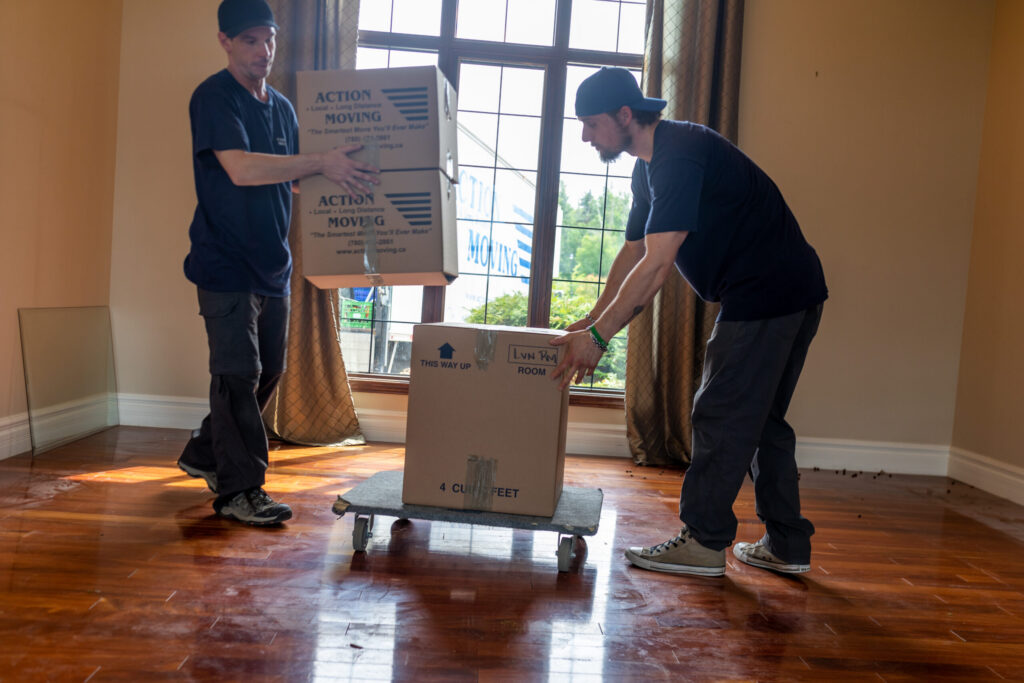
Moving out of state is a major undertaking. You’re not simply loading a truck and driving to another city. There are packing deadlines, transportation logistics, route planning, delivery schedules, paperwork, and the challenge of keeping track of your entire household while you’re also trying to settle into a new place. That is where full-service moving can make a noticeable difference. Instead of handling every stage yourself, you can have professionals manage the physical work and many of the details surrounding the move. What Does Full-Service Moving Actually Include? Full-service moving goes well beyond transportation. Depending on the company and package you choose, services can include packing, furniture protection, loading, transportation, unloading, unpacking, and storage. This means you don’t have to coordinate multiple providers or spend weeks packing every box yourself. For an out-of-state move, having these services handled together can make the process much easier to manage. You Save a Significant Amount of Time Packing an entire home is one of the most time-consuming parts of moving. It isn’t simply putting belongings into boxes. You have to sort items, choose appropriate packing materials, wrap fragile possessions, label everything, disassemble furniture, and make sure boxes are packed securely enough for a long trip. Professional long distance movers in Edmonton can handle this work far more efficiently because packing and moving are what they do every day. That can free up your evenings and weekends for other priorities, such as arranging housing, transferring utilities, updating your address, handling employment details, or saying goodbye to friends and neighbors. You Don’t Have to Drive a Moving Truck Across States Long-distance driving with a fully loaded moving truck is very different from taking a road trip in your car. You have to consider the size of the vehicle, fuel stops, weather, traffic, parking, road conditions, and the physical demands of driving for long hours. If you’re moving across several states, that’s a lot of responsibility to add to an already busy relocation. With professional movers, the transportation is handled for you. You can focus on getting yourself and your family to the destination rather than worrying about navigating a large truck for hundreds or thousands of miles. Your Belongings Get Professional Handling A long-distance move puts considerably more distance between your belongings and their destination. Furniture and boxes need to be packed and loaded properly to withstand transportation without unnecessary movement or damage. Professional movers use equipment such as furniture pads, dollies, protective wrapping, and appropriate loading techniques. Fragile or valuable items can also receive additional protection. This is particularly useful when you’re moving large furniture, appliances, artwork, electronics, or other belongings that aren’t easy to replace. It Can Make the Move Less Stressful There is already plenty to think about when relocating out of state. You may be starting a new job, selling a home, signing a lease, enrolling children in school, or adjusting to an unfamiliar city. Adding the responsibility of packing and transporting an entire household can make the transition overwhelming. A full-service moving company takes a substantial portion of that workload away from you. Instead of coordinating every box and piece of furniture yourself, professionals handle the physical side of the move. That doesn’t eliminate every moving-day problem, but it can make the experience considerably more manageable. You Can Choose How Much Help You Need Full-service doesn’t necessarily mean handing over every single task. Many moving companies allow customers to choose specific services. You might want professionals to pack the entire house, or you may prefer to pack most belongings yourself and have the crew handle fragile items and heavy furniture. You can also ask about unpacking and storage if your new home isn’t ready when you leave your current one. This flexibility allows you to build a moving plan around your budget, schedule, and comfort level. Professional Moving Can Be More Cost-Effective Than It Looks The biggest concern people often have about full-service moving is price. Professional help obviously costs more upfront than doing everything yourself. But a fair comparison must include all the expenses involved in a DIY move: truck rental, fuel, packing supplies, equipment, meals, accommodation during a long drive, and potentially time away from work. Then consider the value of your time and the physical effort involved. Full-service moving combines several stages of the relocation into one coordinated service. For a large out-of-state move, that convenience can be worth the additional cost. Long-Distance Moves Require More Planning A local move can often be completed within a day. An out-of-state relocation is different. Your pickup and delivery dates may be separated by several days. Your belongings may need to travel through multiple regions, and weather, road conditions, traffic, or other logistical issues can affect the route. This is one reason choosing experienced long distance movers in Edmonton matters. A company familiar with long-distance transportation can help establish realistic timelines and explain how pickup, transit, and delivery will work before moving day. Storage Can Solve Timing Problems What happens when your lease ends before you can move into your new home? This is a common issue during long-distance relocations. Your belongings may need somewhere safe to stay while you wait for your new property to become available. A full-service moving company that offers storage can provide a much simpler solution. Instead of unloading everything into a temporary location yourself and then moving it again, you can arrange storage as part of the relocation. Why We Handle Long-Distance Moves Differently At Action Moving and Storage, we’ve been handling long-distance relocations since 1988. We provide provincial and cross-country moving services, including packing, loading, transportation, delivery, and storage when needed. Our crews are trained and vetted Action Moving team members, and we don’t subcontract long-distance jobs to third parties. As long distance movers in Edmonton, we regularly handle routes such as Edmonton to Calgary, Vancouver, Kelowna, Saskatoon, Winnipeg, and destinations farther across Canada. We use inventory tracking, protective packing, and coordinated delivery planning to keep your belongings accounted for throughout the
How to Prepare Your New Home Before the Movers Arrive in Edmonton

Moving into a new home is exciting, but the hours before the moving truck arrives can make a huge difference to how smoothly the day goes. Once boxes, furniture, and appliances start coming through the door, even simple tasks become harder to complete. Preparing the property before moving day gives you a clean slate and makes it easier for everyone to work efficiently. From checking utilities to protecting floors, here’s what to do before the movers companies in Edmonton arrive. Clean Before the Furniture Goes In If you have access to your new home before moving day, clean it while the rooms are still empty. Vacuum or mop floors, wipe down cabinets, clean countertops, and pay attention to areas that will soon be difficult to reach. Take the opportunity to clean inside kitchen cupboards, bathroom storage, closets, and appliances if they are already installed. If the previous occupants have left the property in good condition, you may only need a basic clean. If it needs more attention, arranging professional cleaning before moving day can save you a significant amount of work later. Check That Utilities Are Working Don’t wait until moving day to discover that the electricity or water hasn’t been connected. Before the truck arrives, check that essential utilities are active, including: Electricity Natural gas Water Heating or cooling Internet, if already installed In Edmonton, heating is particularly important during colder months. A home without adequate heat can become uncomfortable very quickly when you’re opening doors repeatedly to bring furniture inside. If possible, test the lights, faucets, toilets, heating system, and major appliances. If something isn’t working, you’ll have time to contact the appropriate provider before your belongings arrive. Protect Floors and High-Traffic Areas Moving crews will make dozens of trips between the truck and your front door. Dirt, moisture, snow, and small stones can easily get tracked inside. Protect vulnerable floors before the first box enters the house. Use floor runners, cardboard, or suitable protective coverings along high-traffic paths. Pay particular attention to hardwood, carpet, tile, and freshly cleaned surfaces. If you’re moving during an Edmonton winter, keeping towels or absorbent mats near entrances can also help manage melting snow and water. Clear the Driveway and Entrance The moving truck needs enough room to park and unload safely. Remove vehicles, toys, gardening equipment, bins, and other obstacles from the driveway or access area. If there is snow or ice, clear and treat the path leading from the truck to the entrance. Don’t forget the inside route. Remove shoes, boxes, furniture, and other items that could narrow hallways or create trip hazards. The clearer the route, the easier it will be for the moving crew to bring large furniture inside without unnecessary stops. Reserve the Elevator or Loading Area If you’re moving into an apartment or condominium, check the building’s moving requirements well in advance. Many buildings have specific rules about moving hours, elevator reservations, loading zones, and access to parking areas. Some require a damage deposit or proof of insurance before allowing a move. Contact the building manager or property management company and confirm exactly what is required. An elevator that hasn’t been reserved can create a serious delay, particularly during busy moving periods. Decide Where Furniture Will Go You don’t need to have your entire home decorated before moving day, but a general plan helps. Measure rooms and large furniture beforehand. Then decide where beds, sofas, dining tables, desks, and other major pieces should go. If you’re unsure about smaller items, that’s fine. Focus on the large furniture first. You can even create a simple room plan and label each room. This makes it easier to direct the crew when they bring everything inside and reduces the amount of furniture you’ll have to move around later. Keep Pets and Children Out of the Way An open front door and several people carrying heavy furniture create an unsafe environment for young children and pets. If possible, arrange for children to stay with a family member or trusted friend during the busiest part of the move. Pets should ideally be kept in a secure, quiet room away from the traffic. This also reduces the chance of a pet escaping through an open door while everyone is distracted. Prepare an Essentials Area Don’t pack everything away and then expect to unpack the entire house on the first night. Set aside the items you’ll need immediately, including: Toiletries Towels Toilet paper Phone chargers Medications Basic cleaning products Snacks and drinks Coffee or tea Basic cooking utensils A change of clothes Important documents Keep these items somewhere clearly marked and accessible. Ideally, they should travel with you rather than being buried inside the moving truck. Check the Home One Last Time Before the movers companies in Edmonton arrive, walk through the property once more. Check every room, closet, cabinet, bathroom, garage, and storage area. Make sure doors and windows are accessible and that nothing is blocking the planned route for large furniture. Take photos of the property’s condition before your belongings arrive. This gives you a record of the home’s condition at the time you move in and can be useful if you’re renting. Make Moving Day Easier From the Start Preparing your new home isn’t about making everything perfect before the truck arrives. It’s about removing obstacles. A clean property, working utilities, clear access routes, protected floors, and a basic furniture plan can save hours of frustration. Once the movers companies in Edmonton arrive, they’ll have a clear path to unload your belongings efficiently, while you can focus on getting your new home set up. The better prepared the property is, the less you’ll have to worry about once the first box crosses the threshold.

