
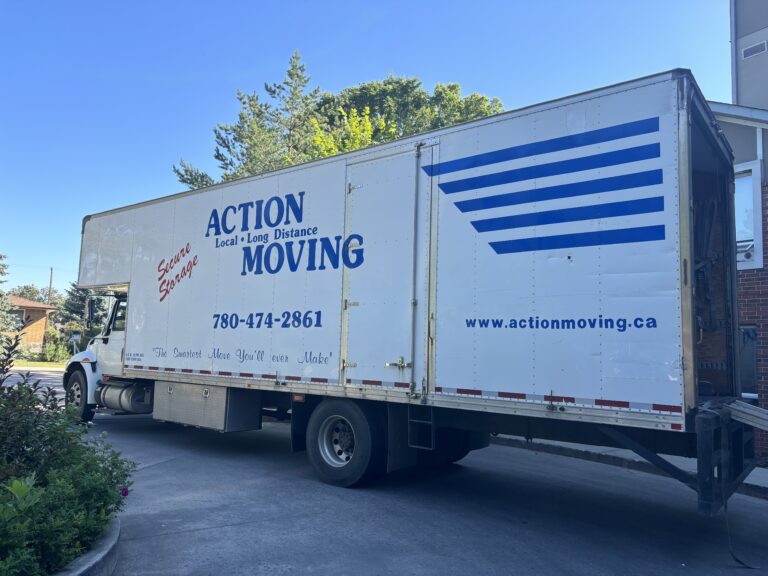
Summer is one of the busiest times of year to move in St. Albert. Longer daylight hours and warmer weather may seem ideal for moving, but they also create scheduling pressure, traffic, construction, limited availability, and tightly packed possession dates. A move that looks straightforward on paper can quickly lose hours when small delays add up.
If you are planning a summer move, understanding what causes these delays can help you build a more realistic schedule. Working with experienced moving companies in St Albert can also make it easier to anticipate logistical problems before moving day arrives.
Summer Moving Delays Usually Start Before Moving Day
Many moving delays are blamed on the movers, but the problem often begins weeks earlier. Summer is a peak moving season, so popular dates can get heavily booked. The end of the month is particularly challenging because leases, possession dates, and closing schedules often overlap.
Waiting until the last minute to book your moving crew can leave you with fewer date and time options. It can also make it harder to coordinate elevators, parking, storage, cleaners, utility appointments, and key exchanges.
The solution is to treat your moving date as the center of a schedule, not an isolated appointment. Once you know your possession or closing date, work backward and set deadlines for booking movers, packing, arranging storage, disconnecting utilities, cleaning, and completing your final walkthrough.
Traffic and Road Construction Can Add Unexpected Time
St. Albert roads can experience construction and traffic disruptions during the warmer months. In 2026, for example, the city has had multiple construction and roadway projects affecting traffic movement, including work around Range Road 260 and other infrastructure projects.
For a moving truck, even a relatively short detour can matter. A delay affects more than just driving time. If the truck arrives late at the first property, loading starts late. That pushes back departure, which pushes back arrival at the new home. By the afternoon, a small traffic problem can become a significant schedule problem.
Before moving day, check current road conditions and construction notices for both addresses. If a major route is affected, tell your moving crew in advance so they can factor it into the move plan.
Your Home May Not Be Ready When the Movers Arrive
Another common source of delays has nothing to do with transportation. If boxes are still being packed when the movers arrive, the crew cannot start loading efficiently. The same problem occurs when furniture is still being disassembled, hallways are blocked, belongings are spread throughout the house, or items not being moved haven’t been separated.
Your movers shouldn’t have to guess what is coming with you. Before the crew arrives:
- Finish packing as much as possible.
- Clearly label boxes by room.
- Separate items that are staying behind.
- Disassemble furniture that you have agreed to prepare yourself.
- Remove personal items from drawers where appropriate.
- Keep walkways and entrances clear.
- Put keys, documents, and essential items somewhere safe.
The goal is to make the first 30 minutes productive rather than using that time to finish yesterday’s packing.
Elevator Access Can Become a Major Bottleneck
Apartment and condo moves require additional planning because the moving truck may not be able to load directly from your front door.
If an elevator is required, confirm the building’s moving policy well in advance. Some properties require advance reservations, specific moving hours, protective padding, certificates of insurance, or a designated loading area.
Forgetting one requirement can leave a moving crew waiting while building management sorts things out. The same applies to parking. A moving truck needs enough space to operate safely and efficiently. If vehicles occupy the closest loading area, the distance between the truck and your front door increases, and every piece of furniture takes longer to carry.
Tell your moving company about stairs, elevators, narrow entrances, long hallways, loading restrictions, or difficult parking before moving day. These details help determine how much labor and time your move actually requires.
Oversized Furniture Can Slow Everything Down
A large sectional may fit perfectly in your living room but still be difficult to remove through a doorway.
Measure oversized furniture before moving day, especially:
- Sofas and sectionals
- Large wardrobes
- Dining tables
- King-size mattresses
- Exercise equipment
- Pianos
- Large appliances
Check doorways, stairwells, hallways, turns, elevators, and exterior access points. Do not assume that because an item entered the home, it will automatically come out the same way. Furniture may have been assembled inside the property or brought through a different entrance.
Giving moving companies in St Albert advance notice of unusual or oversized items lets the crew plan ahead instead of discovering the problem halfway through the move.
Packing Poorly Can Increase Both Time and Risk
Packing is not simply about putting everything into boxes. Poorly packed belongings can take longer to load and unload because boxes may be unstable, excessively heavy, or difficult to stack. Use smaller boxes for dense items such as books and larger boxes for lighter belongings. Avoid making boxes so heavy that they become difficult to carry safely.
Label boxes on multiple sides and clearly mark fragile contents. Keep important documents, medications, valuables, basic toiletries, chargers, and a change of clothes with you rather than placing them deep inside the moving truck.
A well-organized truck is easier to unload because you can direct belongings to the correct rooms without repeatedly stopping to figure out where each box belongs.
Your Move May Take Longer Than the Driving Distance Suggests
One of the biggest planning mistakes is estimating a move based only on distance.
A 20-minute drive does not mean the entire move will take an hour. Moving time includes preparation, walking distance, stairs, elevator use, furniture disassembly, wrapping, loading, transportation, unloading, and placement.
For example, two homes with the same number of rooms can take very different amounts of time if one has a garage-level entrance and the other has stairs, a long driveway, and restricted parking. This is why an accurate inventory and property assessment help when getting a quote.
Build a Buffer Into Your Schedule
Do not schedule your move so tightly that one delay ruins the entire day. If your possession time is fixed, communicate it clearly to your movers. If you have flexibility, avoid creating unnecessary pressure by scheduling cleaning, utility appointments, furniture deliveries, and other commitments immediately after the estimated arrival time.
A buffer gives you room to deal with traffic, weather, building access, or an unexpectedly difficult piece of furniture without turning a manageable problem into a crisis.
How to Make Your St. Albert Summer Move More Efficient
A practical moving timeline can look like this:
- 4–8 weeks before: Book your movers, confirm your date, declutter, and begin packing.
- 2–4 weeks before: Confirm building requirements, parking, elevator reservations, storage, and utility arrangements.
- 1 week before: Finish most packing, label boxes, disassemble appropriate furniture, and confirm the moving details.
- The day before: Keep essentials accessible, clear pathways, charge your phone, and make sure the movers can access the property.
- Moving day: Keep the entrance clear, have keys available, communicate any last-minute access issues, and let the crew know about fragile or unusual items.
Action Moving recommends starting the moving process several weeks ahead, particularly during the busy summer season. Its moving guidance also emphasizes organizing belongings and booking movers early rather than waiting until the final weeks.
Why We Help Keep Summer Moves on Schedule
At Action Moving & Storage, we provide those looking for moving companies in St Albert with the experience and resources needed to handle residential and commercial moves throughout the St. Albert area.
We have been serving Edmonton and surrounding communities since 1988, and our crews are full-time Action Moving employees rather than temporary labor. We also own our trucks and storage facilities, giving us direct control over important parts of the moving process.

