
Most of what’s in your home goes on the moving truck without a second thought. Then you reach the garage, the gun cabinet, or the shelf under the kitchen sink, and the questions start. Can the crew take the hunting rifle? What about the propane tank from the barbecue, or the half-empty cans of paint in the basement?
Some of these items are restricted by federal law, some are classed as dangerous goods, and some are simply excluded by moving company policy. Knowing which is which before move day saves you from a last-minute scramble when the crew politely refuses to load something.
Why Movers Turn Down Certain Items
Moving trucks are enclosed spaces packed tightly with furniture, fabric, and cardboard. Anything flammable, pressurized, or corrosive creates a real risk of fire, explosion, or damage to everything else on board. Temperature swings make it worse, especially in Alberta, where a truck can sit in summer heat or deep winter cold.
There’s also the legal side. Many hazardous materials fall under federal transportation of dangerous goods rules, which set strict requirements for packaging, labeling, and handling. Household moving companies generally aren’t set up to meet those requirements, so they exclude these items entirely. Insurance policies usually exclude them too, which means any damage they cause may not be covered.
When you collect quotes from movers companies in Edmonton, ask for their non-allowable items list early. Most reputable companies have one in writing, and reading it a month before the move is much better than discovering it on the morning of.
Firearms: What the Law Requires
Firearms are legal to move, but the rules depend on the class of firearm and who is doing the transporting.
Non-Restricted Firearms
This category covers most hunting rifles and shotguns. If you’re moving them yourself, you don’t need an Authorization to Transport. You do need to make sure they’re unloaded. If you leave your vehicle unattended, the firearm must be locked in the trunk or a similar lockable compartment. If your vehicle doesn’t have one, the firearm must be kept out of sight and the vehicle locked.
A trigger lock or cable lock, combined with a hard case, is a sensible step even where it isn’t strictly required. It protects the firearm and makes accidental handling much less likely during a busy move.
Restricted and Prohibited Firearms
The requirements are stricter here. Restricted and prohibited firearms must be unloaded, secured with a locking device, and placed in a locked, opaque container that’s difficult to break into. Most importantly, if you own a restricted or prohibited firearm and you’re moving to a new address, you must obtain an Authorization to Transport (ATT) from the Chief Firearms Officer before the move.
You can apply online through your MyCFP account or by calling the Canadian Firearms Program. Leave yourself plenty of lead time, since approval isn’t instant.
Updating Your Address
Every licence holder must notify the Canadian Firearms Program of a change of address within 30 days of moving. It’s a condition of your licence, and it ensures renewal notices reach you. Add it to your change-of-address list alongside your driver’s licence, health card, and bank.
Can Your Mover Take Them?
Policies vary widely. Many household moving companies won’t transport firearms at all, and most won’t take ammunition under any circumstances. The simplest and most common approach is to move firearms yourself, in your own vehicle, following the rules above. Ammunition should travel separately and be stored securely.
Propane Tanks and Other Pressurized Containers
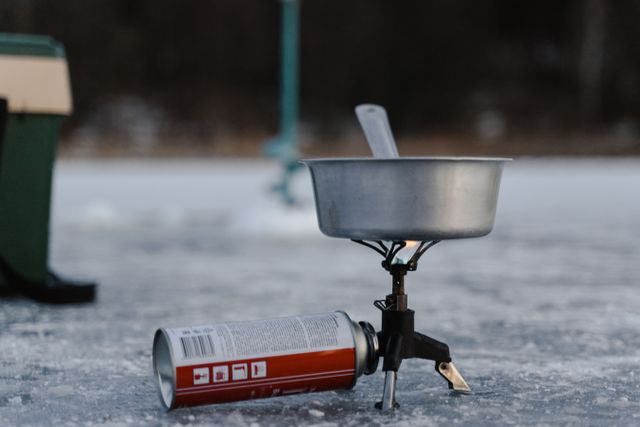
Propane cylinders are one of the most common items movers refuse. Even an “empty” tank holds residual gas, and a damaged valve in a hot, enclosed truck is a serious fire hazard. The same goes for camping fuel canisters, aerosol cans, fire extinguishers, and helium tanks.
You have a few options:
- Use it up or give it away. Run the barbecue for a few final dinners, or hand a full tank to a neighbor.
- Exchange it. Many tank exchange locations will take your cylinder and give you credit toward a new one at your destination.
- Drop it off. City of Edmonton Eco Stations accept propane tanks and aerosol cans from residents at no charge.
- Move it yourself. If you must transport a tank, keep it upright, secured, valve closed, and in a ventilated space, never in a closed trunk on a hot day.
Disconnect the tank from the barbecue before the crew arrives so the grill itself can be loaded.
Fuels, Paints, and Household Chemicals
Gasoline, diesel, kerosene, paint thinners, solvents, pool chemicals, pesticides, and strong cleaners all count as hazardous materials. Movers won’t load them, and most aren’t worth moving anyway.
Before move day:
- Drain fuel from lawnmowers, snowblowers, trimmers, ATVs, and generators. Most movers will only take gas-powered equipment with an empty tank.
- Sort through paint cans. Keep only what you’ll realistically use for touch-ups at the new home, sealed tightly and moved in your own vehicle.
- Consolidate cleaners. Take a small box of everyday products with you, and dispose of the rest.
Edmonton has four Eco Stations, located in Ambleside, Coronation, Kennedale, and Strathcona, that take household hazardous waste such as paint, solvents, batteries, and chemicals. Drop-off is free for residents. Expired medications are a different category and should go back to a pharmacy.
Other Items That Often Get Left Off the Truck
Some items aren’t dangerous but still tend to be excluded:
- Perishable food, which can spoil or attract pests
- Live plants on long-distance moves
- Fireworks and matches in bulk
- Important documents, cash, jewelry, and medications, which you should always carry yourself
That last group isn’t about safety. It’s about making sure the things you can’t easily replace never leave your sight.
A Quick Pre-Move Plan
About a month out, request your mover’s restricted items list and apply for an ATT if you own restricted or prohibited firearms. Two weeks out, start using up propane, fuel, and chemicals, and plan an Eco Station trip. In the final week, drain equipment, pack firearms securely for your own vehicle, and set aside documents and valuables. The day before, walk through the garage, shed, and basement one last time.
Planning for these items early is one of the easiest ways to keep a move on schedule. Most delays on moving day come from things that should have been sorted the week before.
Moving With Confidence in Edmonton
If you’re comparing movers companies in Edmonton, call us at 780-474-2861 or request a free estimate, and we’ll give you a written, not-to-exceed quote before you book. We’ve helped Edmonton families move since 1988, and we’re always happy to walk through what can and can’t go on the truck before your move date.
Our full-time crews handle everything from heavy furniture to fragile keepsakes, and boxes and protective materials come included.

