
Moving Insurance in Edmonton: Do You Really Need It?

Moving involves more than packing boxes and transporting furniture. Whether you’re relocating across the city or moving long distance, protecting your belongings should be part of your plan. While many people assume that nothing will go wrong, accidents, weather conditions, and unexpected events can happen. That’s where moving insurance becomes important. So, do you really need moving insurance? Understanding your options can help you make an informed decision. What Is Moving Insurance? Moving insurance provides financial protection if your belongings are damaged, lost, or destroyed during the move. Although moving companies take precautions to handle items carefully, no move is completely risk-free. Coverage can help with expenses related to: Broken furniture Damaged electronics Lost boxes Scratched appliances Water damage Accidents during loading or transportation Having coverage provides peace of mind, especially when moving valuable or sentimental items. Is Basic Coverage Enough? Most moving companies offer some form of basic liability protection. However, this coverage is often limited and may not fully compensate you for the actual value of your possessions. For example, if an expensive television is damaged, basic coverage might reimburse only a fraction of its replacement cost. Before moving day, ask exactly what protection is included and whether additional coverage options are available. Understanding the difference between basic liability and comprehensive protection can save you from costly surprises later. Who Should Consider Additional Moving Insurance? Not everyone requires the same level of protection. Additional coverage may be worth considering if: You own expensive furniture or electronics. You have antiques, artwork, or collectibles. You’re moving long distance. Your belongings will be stored temporarily. You have items with significant sentimental value. You want extra financial protection against unexpected events. People with high-value possessions often find that additional insurance provides greater confidence throughout the moving process. What Types of Coverage Are Available? Released Value Protection This is the most basic level of coverage and is usually included by default. While it provides some protection, reimbursement amounts are limited and may not reflect the actual value of damaged items. Full Value Protection Full value protection offers more comprehensive coverage. If an item is lost or damaged, the moving company may repair it, replace it, or compensate you based on its current value. Third-Party Insurance Some homeowners or renters insurance policies may provide limited moving coverage. Specialized third-party insurance policies are also available for people seeking broader protection. Review your existing insurance policy before purchasing additional coverage. You may already have some protection in place. Are Certain Items Excluded? Even comprehensive coverage can have limitations. Some items may require special declarations or separate insurance. Examples include: Jewelry Cash Important documents Collectibles Artwork Family heirlooms Always inform your mover about valuable items and ask whether additional protection is recommended. How Much Does Moving Insurance Cost? The cost depends on factors such as: The value of your belongings The distance of the move The type of coverage selected Whether storage services are involved Compared to the cost of replacing damaged possessions, moving insurance is often a worthwhile investment. Spending a little extra upfront can help prevent major expenses later. How Can You Reduce the Risk of Damage? Insurance is only one part of protecting your belongings. You can also reduce risk by: Using quality packing materials. Labeling fragile boxes clearly. Taking photos of valuable items before the move. Creating an inventory list. Keeping important documents with you. Hiring experienced professionals. Working with a reputable moving company significantly reduces the chances of problems occurring during the relocation process. Questions to Ask Before Purchasing Coverage Before making a decision, ask: What coverage is included in the moving estimate? What are the claim procedures? Are there deductibles? Which items are excluded? How long does the claims process take? Are there additional protection options available? Clear answers to these questions will help you determine whether additional insurance is necessary for your specific move. Is Moving Insurance Worth It? For many people, the answer is yes. While not every move results in damage, unexpected situations can happen. Insurance provides a safety net that protects your investment and offers peace of mind during a stressful time. Whether you’re moving a small apartment or an entire household, having the right coverage allows you to focus on settling into your new home instead of worrying about worst-case scenarios. Working with the best movers in Edmonton also helps minimize risks by ensuring your belongings are handled by trained professionals who understand the importance of careful transportation. Get In Touch With Us We know that every move represents more than just boxes and furniture – it represents your home, memories, and valuable possessions. That’s why we focus on careful handling, transparent communication, and dependable service every step of the way. With decades of experience serving Edmonton and Western Canada, we provide professional moving, packing, and storage solutions designed to make relocation easier. As the best movers in Edmonton, we are committed to delivering a smooth and stress-free moving experience while helping you protect what matters most.
Quotes Ranging from $800 to $2,400 for the Same Move: Why Is There Such a Huge Difference?
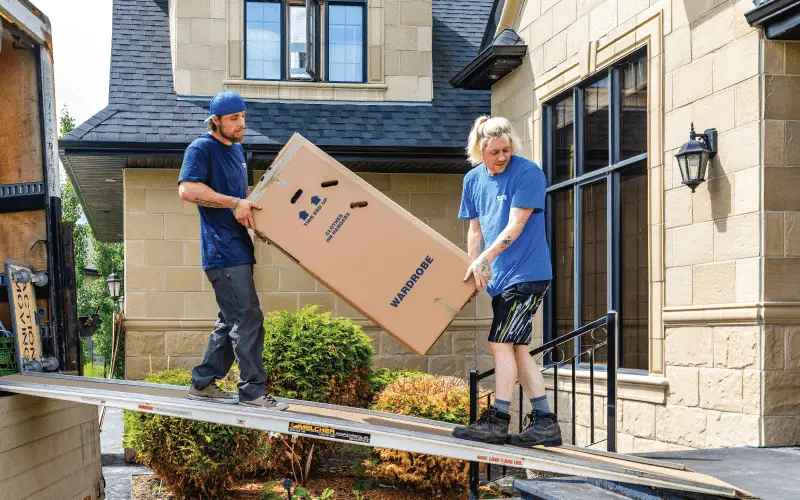
You’ve done the responsible thing. You called three or four moving companies, described the exact same move, and now you’re staring at quotes that look like they came from completely different planets. One company says $800. Another says $1,600. A third comes in at $2,400. Same apartment. Same destination. Same stuff. So what’s going on? The truth is, moving quotes aren’t as straightforward as most people assume. And that gap between the lowest and highest number? It’s telling you something important, if you know how to read it. Not All Quotes Are Built the Same Way Here’s where most of the confusion starts. Moving companies don’t all use the same pricing structure. Some charge by the hour, some by weight, some by cubic footage, and some offer flat rates. When you’re comparing an hourly estimate against a flat rate, you’re not really comparing apples to apples. You’re comparing apples to something that might turn into a watermelon on moving day. An hourly rate might look cheaper on paper. But if your move takes longer than expected, and moves almost always take longer than expected, that “cheap” quote can balloon fast. A flat rate, on the other hand, locks in the price. You pay what you agreed to, even if your couch gets stuck in the stairwell for 45 minutes. Understanding how a company is calculating your quote matters just as much as the number itself. The Lowball Quote Is Rarely a Bargain Let’s talk about that $800 number, because it’s tempting. Really tempting. But here’s what experienced movers know: suspiciously low quotes almost always come with strings attached. Maybe the estimate doesn’t include packing materials. Maybe it assumes you’ll carry everything down to the truck yourself. Maybe there’s a fuel surcharge, a stair fee, a long-carry charge, or a weekend premium that only shows up on the final invoice. Some companies intentionally quote low to win the job, then tack on extras once your belongings are already loaded on their truck. At that point, your negotiating power is exactly zero. This doesn’t mean every affordable quote is a scam. But if one number is dramatically lower than the rest, ask yourself what’s missing, because something usually is. What Actually Drives the Price Up (Legitimately) A higher quote isn’t automatically a rip-off. In many cases, it reflects real costs that the cheaper company is either hiding or cutting corners on. Insurance coverage is a big one. A moving company that carries proper liability coverage and offers valuation protection for your belongings has higher operating costs than one that doesn’t. That cost gets passed to you, but it also means you’re not left holding the bag if your grandmother’s china doesn’t survive the trip. Then there’s the crew itself. Experienced, trained movers cost more to employ than a couple of guys hired off a job board last Tuesday. The difference shows up in how they handle your furniture, how efficiently they pack a truck, and how much damage happens along the way. Equipment matters too. Clean, well-maintained trucks with proper padding, dollies, and strapping systems aren’t free. Companies that invest in their gear charge more, and break fewer of your things. The “Middle Quote” Isn’t Always the Safe Bet People love to throw out the lowest and pick the middle. It feels rational. But the middle quote isn’t automatically the right one. A mid-range price can still be an estimate that’s missing key services, or it could be from a company that’s just average at what they do. Instead of fixating on where a quote falls in the range, look at what’s included. Does the quote cover door-to-door service? Are packing supplies included or extra? What happens if the move takes longer than estimated? Is there a cancellation policy? What’s the company’s approach to damaged items? The answers to those questions will tell you far more about the value of a quote than the dollar amount alone. How to Actually Compare Quotes Without Losing Your Mind First, make sure every company is quoting the same scope of work. If one company includes packing and another doesn’t, the comparison is meaningless. Write down exactly what you need, packing, disassembly, storage, special items, and make sure every company is pricing against that same list. Second, check credentials. In Canada, reputable movers carry proper insurance and can provide proof. They’ll have a physical address, a track record, and reviews from real customers. If a company can’t produce any of that, the low price starts to make a lot more sense. Third, ask about their dispute resolution process. How a company handles problems tells you everything about how they’ll treat you when something goes sideways. And finally, trust your gut. If a company is evasive about pricing details, rushes you through the estimate, or won’t put anything in writing — that’s your answer, regardless of the number on the page. The Real Cost of Choosing Wrong The biggest risk isn’t overpaying by a few hundred dollars. It’s hiring a company that holds your belongings hostage for extra fees, damages your furniture with no accountability, or simply doesn’t show up on moving day. Those stories aren’t urban legends. They happen every week across the country, and they almost always start with someone choosing the cheapest quote without asking the right questions. Your move is one of those situations where the cheapest option and the best option are almost never the same. Choose Action Moving and Storage At Action Moving and Storage, we’ve been helping families and businesses move across Western Canada since 1988, and we’ve seen firsthand the headaches that come from unclear pricing and unreliable service. As trusted long distance movers Edmonton families have counted on for over 35 years, we believe in transparent, honest quotes with no hidden fees or surprise charges on moving day. We’re a family-owned company, and we treat your belongings the way we’d treat our own — with proper equipment, trained crews, and the kind of care that only comes
What Items Can’t Be Moved by Long Distance Movers in Alberta?

You’ve sorted through every closet, packed dozens of boxes, and you’re finally ready to hand everything over to your moving crew. Then someone on the team points at a few items in your garage and says, “We can’t take those.” It catches most people off guard. You’d think that hiring professional long distance movers means everything in your home gets loaded onto the truck. But the reality is, there’s a surprisingly long list of items that moving companies either can’t or won’t transport, and the reasons are more practical than you might expect. Knowing what’s on that list before moving day saves you from last-minute scrambling, unexpected fees, and the awkward realization that your propane tank is still sitting in the driveway as the truck pulls away. Hazardous Materials: The Biggest Category by Far This is where the bulk of the restrictions live. Anything classified as hazardous under Canadian transportation regulations is off-limits for moving trucks, and the list is longer than most people realize. We’re talking about propane tanks (full or partially full), gasoline, kerosene, lighter fluid, motor oil, paint thinner, turpentine, pool chemicals, pesticides, herbicides, fertilizers, and aerosol cans. Nail polish remover, certain cleaning products, car batteries, and even some types of fire extinguishers also fall into this category. The reason is straightforward: a moving truck is a closed metal box traveling hundreds of kilometers in varying temperatures. Anything flammable, corrosive, or pressurized becomes a genuine safety risk inside that environment. It’s not a policy companies invented to inconvenience you — it’s a legal requirement under Transport Canada’s Transportation of Dangerous Goods Act. The safest approach is to use up or properly dispose of these items before moving day. Most municipalities in Alberta have household hazardous waste drop-off programs that accept everything from old paint cans to expired chemicals. Perishable Food That chest freezer full of elk meat you’ve been stockpiling since fall? It’s not making the trip. Perishable food is a no-go for long distance moves, and the logic is simple. There’s no temperature control inside a standard moving truck, and depending on the distance and time of year, your food could be sitting in conditions that range from freezing to sweltering. Spoiled food leaking onto your furniture or clothing isn’t just unpleasant. It can cause the kind of damage that’s expensive and sometimes impossible to fix. Canned goods and sealed, non-perishable items are generally fine. But anything that needs refrigeration should either be consumed before the move, given away, or transported in a cooler in your own vehicle. Plants This one surprises a lot of people. Your houseplants, the ones you’ve nursed through five Edmonton winters, typically can’t ride in the moving truck. Part of the issue is practical. Plants don’t survive well in a dark, unventilated truck for extended periods. They can also attract pests, leak water onto other items, and shift during transit in ways that create a mess. But there’s also a regulatory layer. Moving plants across provincial borders in Canada can run into issues with the Canadian Food Inspection Agency, depending on the species and the destination province. Certain provinces have restrictions designed to prevent the spread of invasive species and plant diseases. If you’re moving within Alberta, some long distance movers may be willing to transport a few small plants at your own risk. But for interprovincial moves, plan to drive them yourself or gift them to someone who’ll appreciate them. Firearms and Ammunition Canada has strict regulations around the transportation of firearms, and moving companies aren’t licensed to transport them. This applies to rifles, shotguns, handguns, crossbows, and ammunition of any kind. If you’re a firearms owner, you’re responsible for transporting your guns yourself in compliance with the Firearms Act. That means proper cases, trigger locks, and, for restricted firearms, an Authorization to Transport from your provincial Chief Firearms Officer. Ammunition needs to be transported separately from firearms in its original packaging or a secure container. This isn’t something to leave until the last minute. Getting the right paperwork sorted, especially for restricted firearms, can take time. Pets (Obviously, but Worth Saying) No reputable moving company will transport your animals. It’s unsafe, inhumane, and illegal. Your pets travel with you, period. For long distance moves within Alberta or across provinces, plan your pet’s journey in advance. Book pet-friendly hotels along the route if needed, make sure vaccinations and paperwork are current, and bring enough food, water, and medication to cover the trip plus a buffer. How to Handle the Items You Can’t Move Start early. Go through your home room by room at least a few weeks before moving day and pull out anything on the restricted list. For hazardous materials, check your local municipality’s disposal schedule. For perishables, start eating down your freezer well before the move. For firearms, begin the transport authorization process early. If you’re unsure whether a specific item can go on the truck, ask your moving company during the quoting process, not on moving day. A good company will give you a clear answer and might even suggest alternatives you hadn’t considered. Why Action Moving and Storage Is the Right Choice for Your Long Distance Move At Action Moving and Storage, we’ve been helping families and businesses navigate long distance movers since 1988, and that includes walking our customers through exactly what can and can’t go on the truck, long before moving day arrives. We’re a family-owned Edmonton company with over 35 years of experience handling moves across Alberta, into British Columbia, Saskatchewan, and beyond. Every move gets a dedicated coordinator, a full inventory process, and a crew that stays with your belongings from pickup to delivery — we never subcontract your move to a third party. We use high-grade packing materials built for long-haul durability, and we offer flexible storage solutions in our secure Edmonton facility for those times when move-in and move-out dates don’t quite line up. If you’re planning a long distance move and want a team that’s upfront, experienced, and
What Is the Cost of Hiring Movers in Edmonton?

Let’s skip the part where we pretend this isn’t the first thing you Googled. You’re moving. You need help. And before you call anyone, you want a number, even a ballpark, so you don’t walk into a phone call completely blind. That’s fair. So here’s what hiring professional movers in Edmonton actually costs in 2026, broken down in a way that’s useful, not vague. The Short Answer For a local move within Edmonton, most professional moving companies charge between $40 and $80 per hour for a two-person crew. That’s the base. A straightforward one-bedroom apartment move might run you $400 to $700 total. A three-bedroom house? You’re more likely looking at $1,250 to $2,100, depending on the amount of furniture, how much packing is involved, and whether your new place has an elevator or four flights of stairs. For long distance moves — say, Edmonton to Calgary — expect a range of $2,000 to $10,000 depending on volume, weight, and services. Those are real numbers. But they’re also ranges, and ranges exist for a reason. The actual movers Edmonton price you’ll pay depends on a handful of specific factors that are worth understanding before you start collecting quotes. What Pushes the Price Up? The size of your home: This is the single biggest factor. More rooms mean more stuff, which means a bigger truck, a larger crew, and more hours. A studio apartment and a four-bedroom house are fundamentally different jobs, and the pricing reflects that. Stairs and access issues: Ground floor with a wide front door? Easy. Third-floor walkup with a narrow hallway and a 90-degree turn at the landing? That takes longer, requires more effort, and sometimes demands specialty equipment. Most companies factor access conditions into their quotes, and the ones that don’t will surprise you with surcharges later. The time of year: Moving in July or August? You’re competing with every other family trying to relocate before the school year starts. Peak season means higher demand, tighter schedules, and sometimes premium rates. If you have any flexibility at all, moving in October or February can save you a meaningful amount. Packing services: If you want the movers to pack your belongings — and plenty of people do, for good reason — that’s an additional cost. Full-service packing for a three-bedroom home can add several hundred dollars to the bill. But it also means professionals are wrapping your dishes in proper materials instead of you cramming them into garbage bags at midnight. Specialty items: Pianos, pool tables, safes, antique furniture, oversized artwork. Anything that requires specialized equipment or extra crew members gets priced separately. Don’t wait until moving day to mention the baby grand in the living room. What Keeps the Price Down? Decluttering before you move: Every box that doesn’t go on the truck saves you money. This is the single easiest way to reduce your moving cost, and it doesn’t require negotiating with anyone. Donate, sell, or toss what you don’t need. Your wallet and your new closets will both thank you. Doing your own packing: If you have the time and the patience, packing your own boxes removes that labor cost entirely. Just make sure you’re packing things properly — a box of broken dishes costs more in replacement value than whatever you saved on packing fees. Being flexible with timing: Mid-week moves are almost always cheaper than weekend ones. Mid-month beats end-of-month. And as mentioned, off-season beats summer every time. If your schedule allows it, ask your moving company which dates offer the best rates. Getting everything ready before the crew arrives: Movers charge by the hour for local jobs. If they show up and your stuff is organized, labeled, and ready to load, the clock runs shorter. If they arrive to a house that’s half-packed with furniture still assembled and pathways blocked, you’re paying for that time. Hidden Costs That Catch People Off Guard Not every company quotes the same way, and that’s where the confusion, and sometimes the frustration, comes in. Some companies advertise a low hourly rate but then add fuel surcharges, truck fees, travel time charges, or minimum hour requirements that inflate the final bill well past what you expected. Others include everything in a flat rate, so the number you see is the number you pay. Before signing anything, ask these specific questions: Does the quote include travel time to and from your location? Is there a fuel surcharge? What happens if the move takes longer than estimated? Are there extra fees for stairs, long carries, or heavy items? Is packing material included or billed separately? The movers Edmonton price that matters isn’t the one on the ad. It’s the one on the invoice. A slightly higher upfront quote that includes everything will almost always beat a lowball number that grows throughout the day. Hourly vs. Flat Rate: Which Is Better? Neither is inherently better. It depends on the move. Hourly pricing works well for small, simple, local moves with a predictable scope. You know roughly how long it’ll take, and you’re not worried about surprises. Flat rate pricing tends to be smarter for larger moves, long distance relocations, or any situation where there’s uncertainty about access, volume, or timing. You agree on a price upfront, and that’s what you pay regardless of how the day unfolds. If a company only offers hourly rates for a complex move, ask why. And if a flat rate quote seems unrealistically low, ask what’s excluded. Is It Worth Hiring Movers at All? This is the real question underneath all the pricing research, isn’t it? Renting a truck and doing it yourself costs less on paper. A rental might run $50 to $200 plus fuel. But that number doesn’t account for your time, the physical toll, the risk of injury, or the cost of damaged furniture and scratched walls when you’re maneuvering a sectional down a staircase with your cousin who “totally has experience with this.” Professional movers are faster, insured, and
How Much to Tip Movers?

Nobody talks about this part until the move is already happening. The truck is half-empty, the crew is sweating through their shirts, and suddenly it hits you — am I supposed to tip these guys? How much? Do I hand each person cash individually or give it to the lead? What if I can’t afford to tip on top of what I already paid? Deep breath. You’re not the first person to panic about this at the tail end of a long moving day. Let’s sort it out. First Things First: Tipping Movers Isn’t Mandatory in Canada Get that off your shoulders right now. A tip is not built into the cost of your move the way it sometimes is at a restaurant. Your movers Edmonton price covers the labor, the truck, and the service. Nobody is going to give you a dirty look or do a worse job if you don’t hand over extra cash at the end. That said, moving is brutal physical work. Your crew spent the day carrying your life down staircases, wrapping your furniture in protective padding, and fitting a seemingly impossible amount of stuff into a truck like some kind of real-world Tetris game. If they did that well, and especially if they did it with a good attitude, a tip is a genuinely nice way to say thank you. Think of it less as an obligation and more as a decision you get to make based on how the day went. So What’s the Right Amount? There’s no single number that works for every situation, but here are the ranges most Canadians fall into. For a short local move that wraps up in a few hours, somewhere around $20 per mover is a solid gesture. It’s enough to feel meaningful without putting a dent in your already-stretched moving budget. For a standard move that takes most of the day, say, a two or three-bedroom house, $20 to $50 per mover is the common range. Most people settle somewhere in the middle, and the crew appreciates it every time. For a long distance move or a particularly grueling job, think flights of stairs, tight doorways, extreme weather, piano on the second floor, $50 to $100 per mover is appropriate if the service warrants it. These are the moves where the crew genuinely earns every dollar. Another way to think about it: roughly $5 per mover per hour of work. A six-hour move with three crew members would put you at about $30 per person, or $90 total. That math tends to land in a range that feels fair on both sides. The Percentage Approach (and Why It Breaks Down) Some tipping guides suggest 10 to 20 percent of your total moving bill. That works fine on smaller moves. Ten percent of a $600 move is $60, which splits nicely among a crew of three. But it falls apart quickly on bigger jobs. Nobody is tipping $1,000 on a $10,000 long distance relocation, and no mover expects that. Once the total bill crosses into four figures, the flat-amount-per-mover approach makes a lot more sense for everyone involved. Don’t let a percentage formula guilt you into a number that doesn’t fit your budget. A thoughtful $20 per person after a good move beats an awkward $0 because you psyched yourself out trying to calculate 15 percent of an invoice you’re still recovering from. When to Tip More Not every move is the same, and some crews go well beyond what’s expected. If any of these sound familiar, consider landing on the higher end. Your movers dealt with weather that made the job significantly harder — pouring rain, a January cold snap, 30-degree heat. They had to navigate difficult access like narrow hallways, tight corners, multiple flights of stairs, or a long carry from the truck to your front door. They handled fragile or awkward items, a piano, an antique armoire, and oversized artwork, with obvious skill and care. They solved problems on the fly without complaining or charging you extra. Or they were simply great to be around on a stressful day. Friendly, communicative, and respectful of your home. Good energy on moving day is worth more than most people realize. A crew that makes the experience less stressful deserves to know you noticed. When It’s Okay to Tip Less (or Not at All) Tipping is earned, not automatic. If the crew showed up late with no communication, handled your belongings carelessly, damaged items, and didn’t own it, or spent more time on their phones than on your furniture, you’re under no obligation to reward that. You also don’t need to stretch beyond your means. If the move itself already pushed your budget to its limit, nobody reasonable expects you to add another hundred dollars on top. A genuine thank you, cold drinks during the move, or a positive online review can go a long way too. Cash Is King This matters more than you might think. Always tip your crew in cash, and hand it directly to each person rather than giving a lump sum to the team lead. Why? Because cash goes straight into their pocket. Some movers have reported that credit card tips or lump sums handed to a supervisor don’t always make it to the full crew. Individual cash envelopes, or even just folded bills handed over with a handshake and a thank you, guarantee the person who carried your couch up three flights of stairs actually gets the money you intended for them. If you know you’re going to tip, hit the ATM the day before. You don’t want to be scrambling for cash while the crew is finishing up. Other Ways to Show Appreciation Cash isn’t the only way to take care of your movers. Offering cold water, coffee, or sports drinks throughout the day costs almost nothing and goes over extremely well, especially during summer moves. Having snacks or pizza available during a long move is another small
Why Do Long Distance Moving Quotes Vary So Much in Edmonton?

Three companies. Same house. Same destination. Three wildly different numbers on three different pieces of paper. If you’ve ever requested long distance moving quotes in Edmonton, you already know the feeling. One company comes in at $2,200. Another says $4,500. A third lands somewhere around $3,100. And now you’re sitting there wondering whether somebody is trying to rip you off or whether somebody else is cutting corners you can’t see yet. Here’s what’s actually going on, and why the variation isn’t as random as it looks. Every Company Calculates the Job Differently This is the root of the problem, and it’s the thing almost nobody explains upfront. There is no universal formula that all long distance movers in Edmonton use to price a job. Some companies price by weight. Others price by cubic footage. Some use flat rates based on an inventory assessment, while others estimate hours and multiply. When you’re comparing a weight-based quote against a volume-based quote against an hourly projection, you’re comparing three entirely different math problems that just happen to spit out a dollar sign at the end. The outputs look comparable. The inputs are not. That alone explains a significant chunk of the gap. The Factors That Legitimately Move the Number Even when two companies use the same pricing model, their quotes will differ based on how they weigh these variables: Distance. This one’s obvious. Edmonton to Calgary costs less than Edmonton to Vancouver, which costs less than Edmonton to Toronto. But even on the same route, companies factor fuel, tolls, and drive time differently. Some build fuel into the base rate. Others add it as a surcharge. Volume and weight of your belongings. A one-bedroom apartment and a four-bedroom house are different animals entirely. More stuff means a bigger truck (or multiple trips), a larger crew, and more hours at both ends. Companies that do a thorough in-home or video assessment will have a more accurate read on this than ones that quote you over the phone in five minutes. Time of year. Peak season in Edmonton runs from May through August. Demand is highest, trucks are booked tighter, and rates reflect that — often 20 to 30 percent higher than off-peak months. A quote you get in July for a September move might look completely different from the same quote requested in November for a January move. Access conditions at both locations. This is one of the sneakier variables. A ground-floor bungalow with a wide driveway and a front door that opens straight to the street is a fast, clean load. A third-floor apartment with no elevator, a narrow hallway, and street parking only? That same amount of furniture takes twice as long to move. Some companies price for this. Others don’t — until moving day. Specialty items. Pianos, safes, pool tables, antique furniture, oversized artwork. These require extra equipment, additional crew, and specialized handling. A company that inventories these items upfront will quote higher but more accurately. A company that glosses over them will quote lower and adjust later. Services included. This is the big one. Is packing included? Disassembly and reassembly of furniture? Protective wrapping? Loading and unloading, or just transportation? Storage if there’s a gap between move-out and move-in? The more services bundled into the quote, the higher the number, but also the fewer surprises waiting for you on the invoice. The Quote Structure Itself Matters Not all quotes are built the same way, and the structure tells you as much as the number. Binding quotes lock in the price. What you’re quoted is what you pay, regardless of how the move plays out. These tend to come in higher because the company is absorbing the risk of the job taking longer or costing more than projected. Non-binding estimates are educated guesses. The final bill is based on the actual weight, time, or volume of your move, which means the number can go up. Sometimes significantly. That $2,200 quote that looked like a steal can quietly become $3,400 once the truck hits the scale. Not-to-exceed quotes cap the price at the estimated amount but allow the final cost to come in lower if the move is smaller or faster than expected. This is often the most customer-friendly structure, but not every company offers it. When one company gives you a binding quote of $3,800 and another gives you a non-binding estimate of $2,600, the gap isn’t necessarily about one being more expensive. It’s about one being more certain. Red Flags in Low Quotes A number that’s dramatically lower than every other quote you’ve received is not a bargain waiting to be claimed. It’s a question waiting to be asked. Watch for these: No in-home or video assessment. A company that quotes you a firm price based on a two-minute phone call hasn’t actually evaluated your move. They’ve guessed. And guesses tend to favor the company, not you. Vague inclusions. If the quote doesn’t specify exactly what’s covered, like packing, materials, fuel, insurance, stairs, long carries, those items are likely billed separately. The base number looks clean. The final invoice won’t. No mention of insurance or liability coverage. Legitimate long distance movers in Edmonton carry proper insurance for provincial and interprovincial moves. If a company can’t tell you what coverage they carry, the low price starts making a lot more sense. Pressure to book immediately. “This price is only good today” is a sales tactic, not a pricing reality. A confident company will give you time to compare and decide. How to Compare Quotes Without Losing Your Mind Getting useful quotes requires a little discipline on your end. Here’s how to level the playing field: Describe the same move to every company. Same inventory, same services, same dates, same access conditions. If one company is quoting packing and another isn’t, the comparison is meaningless. Ask for binding or not-to-exceed quotes. This eliminates the most common source of bill shock and forces the company to commit to a real number based
Need to Move Out Today in Edmonton? Here’s What to Do

You just found out you have to be out of your place today. Maybe the lease fell through. Maybe a relationship ended badly, and staying isn’t an option. Maybe your landlord dropped a bombshell, your job is relocating you yesterday, or your previous movers just canceled three hours before they were supposed to show up. Whatever the reason, you’re standing in a home full of stuff with a clock that won’t slow down. Panic is understandable. But panic doesn’t pack boxes. A plan does. Here’s yours. Step 1: Stop and Breathe for 60 Seconds Seriously. One minute. That’s it. Same-day moves happen in Edmonton more often than you’d think, and people get through them every single week. You’re not the first person in this situation, and you won’t be the last. The next few hours are going to be intense, but they’re completely manageable if you move through them in order instead of bouncing between tasks in a frenzy. Sixty seconds done? Good. Let’s go. Step 2: Call a Moving Company Right Now Not in twenty minutes. Not after you start packing. Right now. This is the most time-sensitive piece of the entire day because availability is the one thing you can’t control. Professional moving services in Edmonton that handle emergency and same-day relocations exist — but their schedules fill up, especially on weekends and at the end of the month. When you call, be ready with three things: Your current address and the address you’re moving to A rough idea of how much stuff you have (number of rooms is usually enough) Whether you need packing help or just loading and transport Step 3: Triage Your Belongings You don’t have time to wrap every mug in tissue paper and label boxes by room. You need to think in categories, and you need to be ruthless. Take now: Things you’d grab in a fire. Documents, medications, valuables, electronics, a few days’ worth of clothes, phone chargers, toiletries. This goes in your car or a bag that stays with you. Don’t put irreplaceable items on the truck during a rush move. Move today: Furniture, kitchen essentials, bedding, the stuff that makes a home functional. This is what the movers are for. Deal with later: Anything you can live without for a few days. If you have a storage option or a friend with a garage, use it. Not everything has to land at the new place today. Giving yourself permission to make two trips, or to store some things temporarily, takes enormous pressure off the next few hours. Leave behind: This is the hard one. But if you’ve been meaning to get rid of that broken bookshelf, the couch with the mystery stain, or three boxes of stuff you haven’t opened since the last move, today is the day to let it go. Every item you cut is time saved. Step 4: Pack Fast and Smart Forget perfection. You’re going for speed and safety. Grab garbage bags for soft items — clothes, linens, towels, stuffed animals. Bags are faster than boxes, they’re flexible, and they cushion other items on the truck. Use your laundry baskets, suitcases, and bins as packing containers. Anything with walls and a bottom works. Wrap fragile items in towels, t-shirts, or hoodies instead of hunting for bubble wrap. Your clothes are already there. Use them. Don’t empty dresser drawers. If the movers can carry the dresser with clothes still inside, that’s one less thing to pack and unpack. Kitchen stuff breaks. If you’re out of proper packing material, put plates vertically (like records) in a box with towels between them. They’re far less likely to crack standing up than stacked flat. Step 5: Prep the Space for the Crew While you’re waiting for the movers to arrive, do the things that save them time, which saves you money, since most emergency moves are billed by the hour. Clear a path from every room to the front door. Move stray shoes, boxes, and anything that creates an obstacle in hallways and doorways. Disassemble what you can. Bed frames, IKEA shelving, table legs. If you have the Allen keys and ten minutes, taking furniture apart before the crew arrives will significantly speed up loading. If you’re in an apartment or condo, figure out the elevator situation now. Book the service elevator if your building requires it. Prop doors that need propping. Know where the loading zone is. Move your car out of the driveway or the closest parking spot so the truck can get as near to the door as possible. Every meter of carry distance adds time. Step 6: Handle the Essentials You’ll Forget Under Stress In the chaos of a same-day move, certain things always slip through the cracks. Take five minutes right now to knock these out: Redirect your mail through Canada Post. You can do this online in under five minutes. Cancel or transfer your utilities — electricity, gas, internet, water. Some require 24-hour notice, but most Edmonton providers will work with you if you explain the situation. Grab everything from the fridge, the medicine cabinet, the junk drawer, and the coat closet. These are the four spots people forget about most during a rush move. When the Dust Settles Once you’re in your new place, even if it’s temporary, even if boxes are everywhere and you’re eating takeout on the floor, you made it. Give yourself some credit. Same-day moves are one of the most stressful experiences a person can go through, and you handled it. Tomorrow, you can unpack at your own pace, follow up on anything that slipped through, and start settling in properly. Action Moving and Storage Is Here When You Need Us Most We know that not every move comes with weeks of planning. Sometimes life gives you hours, not days. At Action Moving and Storage, we offer emergency moving services in Edmonton with the same professional standard we’ve delivered on every job since 1988. When you call us,
How to Spot a Rogue Moving Company in Edmonton (And What to Do Instead)

There’s a version of moving day that nobody plans for. The crew shows up late, or doesn’t match the company you booked. The truck has no logo. Halfway through loading, the price doubles. And when you push back, you’re told your belongings won’t come off the truck until you pay the new amount. In cash. This isn’t a hypothetical. The Canadian Association of Movers has tracked a multi-year rise in complaints against fraudulent moving operations across the country, with Alberta consistently ranking among the most affected regions. And the problem keeps growing because, in Canada, moving companies don’t need a special license to operate. That’s the gap. And consumers fall into it every day. Here’s how to make sure you don’t. The Warning Signs Are Almost Always There Rogue operators survive because people don’t know what to look for, or they spot the signs but ignore them because the price is too good. Every red flag below has shown up in real complaints filed with the BBB and the Canadian Association of Movers. No physical address. A legitimate moving company has a base of operations — a warehouse, a storage facility, an office. If the company’s website lists only a phone number and an email, or if Google Maps can’t find them, that’s a problem. A business with nowhere to be found is a business that can disappear. No in-person or video estimate. Rogue movers almost never come to your home to assess the job. They quote over the phone based on minimal information, and they quote low — deliberately. The accurate number shows up later, usually when your furniture is already on their truck and your negotiating position is gone. A quote that seems impossibly cheap. If three companies quote you between $1,200 and $1,800 for the same move and a fourth comes in at $600, that fourth company isn’t more efficient. They’re either planning to inflate the price on moving day or they’re cutting corners that will cost you in damage, delays, or missing items. No written contract or vague paperwork. Professional movers in Edmonton provide detailed, written quotes that itemize services, costs, timelines, and liability coverage. If a company won’t put the price in writing, or if the paperwork is vague about what’s included, you’re being set up for a bill that looks nothing like what you agreed to. Cash-only payment. This is one of the biggest red flags in the industry. Legitimate companies accept credit cards, debit, and e-transfer because they’re operating a real, registered business. Cash-only operations leave no paper trail, which makes them nearly impossible to hold accountable after the fact. No proof of insurance. When you ask a company whether they’re insured and the answer is vague, evasive, or “we’ll send you that later,” stop the conversation. A company without proper insurance means you have no recourse if your belongings are damaged, lost, or held hostage. The Hostage Play: How It Actually Works This is the scam that’s made national headlines in Canada, and it works like this: You book a company based on a low quote. The crew shows up, loads your belongings onto the truck, and then informs you the actual cost is significantly higher — sometimes double or triple the original number. When you refuse to pay, they refuse to unload. Your entire household is sitting inside their truck, and they know you’re under pressure because your old lease is ending, your new place is waiting, and you can’t afford to start over. How to Protect Yourself Before You Book Avoiding a rogue mover isn’t complicated, but it does require a few intentional steps before you sign anything or hand over a deposit. Verify their physical address. Drive by it if you need to. A legitimate moving company has a real location with trucks, equipment, and staff. Check the Better Business Bureau. Search the company name and look for complaint patterns — not just the rating. A company with an A+ rating and zero history might be brand new, which isn’t necessarily bad, but it doesn’t tell you much either. A company with decades of history and consistent reviews tells you a lot. Ask if they’re members of the Canadian Association of Movers. Membership isn’t mandatory, but movers in Edmonton that belong to CAM agree to a code of conduct and a dispute resolution process. It’s not a guarantee, but it’s a meaningful filter. Request a written, binding quote based on an in-home or video assessment. Any company that won’t do this is either too disorganized to be trusted with your belongings or too dishonest to commit to a real number. Read reviews on third-party platforms. Google, Yelp. Not testimonials on the company’s own website — those are curated. Third-party reviews are where real experiences show up, including the bad ones. Pay with a credit card when possible. Credit card payments give you chargeback rights if the company fails to deliver the services you paid for. Cash and e-transfer offer no such protection. What to Do If You’re Already Being Scammed If you’re in the middle of a move and the company is demanding more money than agreed or refusing to release your belongings: Don’t pay the inflated amount if you can avoid it. Document everything. Call the police. File a complaint with the BBB and the Canadian Association of Movers. Contact Alberta Consumer Protection. The Easiest Way to Avoid All of This Hire movers with a verifiable track record. Not a track record of six months and a handful of five-star reviews that all appeared in the same week. A track record of a few years backed by hundreds of reviews across multiple platforms, a physical address you can visit, insurance you can verify, and a team that shows up in branded trucks with a contract in hand. The difference between a rogue mover and a professional one is obvious the moment you start asking questions. The professional has answers. The rogue has excuses. Why Edmonton Families Choose
How Far in Advance Do I Need to Book for a Summer Move?

Short answer: Yesterday. Longer answer: if you’re planning a move in Edmonton between June and August, you should be booking your movers a minimum of six weeks out, and eight weeks is better. For long distance moves during peak summer, aim for eight to twelve weeks if you want any real say in your dates, your crew size, and your price. That might sound aggressive. It isn’t. Summer moving in Edmonton operates on a completely different set of rules than the rest of the year, and every single week you wait narrows your options in ways that aren’t obvious until you pick up the phone and hear “we’re fully booked that weekend.” Here’s what’s actually happening behind the scenes, and how to use that knowledge to your advantage. Why Summer Is a Completely Different Beast Edmonton’s moving season doesn’t ramp up gradually. It flips like a switch. By mid-May, the phones at reputable moving companies in Edmonton are ringing constantly, and by late June, the most popular dates are gone. The reasons stack on top of each other. Families want to move while school is out so kids aren’t uprooted mid-year. Homebuyers who purchased in the spring are taking possession. University students are cycling out of leases. Employees relocating for work often target the summer for the transition. And Alberta’s housing market, particularly in Edmonton, has remained active enough that there’s simply more turnover happening between May and September than in any other stretch of the year. Now multiply all of that demand against a fixed supply. Moving companies only have so many trucks, so many crews, and so many hours in a day. They can’t magically double their capacity because it’s July. The Actual Booking Timeline Not every move requires the same lead time. Here’s what to aim for based on the type of move you’re planning. Local move within Edmonton (apartment or small home): Four to six weeks in advance during summer. These moves are shorter and require smaller crews, so availability holds a little longer. But weekend and month-end dates still fill fast — those are the first to go regardless of move size. Local move (larger home, 3+ bedrooms): Six to eight weeks. Bigger homes need bigger trucks, more movers, and longer loading windows. That combination is harder to schedule on short notice during peak months. Long distance move (within Alberta or interprovincial): Eight to twelve weeks. Long distance jobs require route planning, dedicated trucks, multi-day scheduling, and crew coordination that can’t be patched together last minute. The Edmonton-to-Calgary corridor is one of the busiest moving routes in Western Canada during summer, and availability tightens early. Moves involving packing, storage, or specialty items: Add another one to two weeks on top of the above. If you need a crew to pack your home before loading, or if the move involves a piano, a safe, or oversized furniture that requires specialty equipment, those services need to be scheduled in addition to the truck and crew. More moving parts means more lead time. The Dates That Disappear First Within any given summer month, not all dates are created equal. Understanding which ones book fastest helps you plan smarter — or save money. Weekends go first. Friday, Saturday, and Sunday moves are the most requested because most people don’t want to take time off work. In July and August, weekend availability at popular moving companies in Edmonton can be fully booked six to eight weeks out. Month-end disappears next. Leases in Alberta typically end on the last day of the month, which means the 28th through the 1st is a wall of demand. If your lease allows any flexibility on your move-out date, shifting even a few days earlier can open up significantly more options. Mid-week, mid-month is the sweet spot. A Tuesday or Wednesday in the middle of July will almost always have better availability and sometimes better rates than a Saturday at month-end. If your schedule allows it, this is the single biggest advantage you can give yourself. How to Lock In the Best Summer Move Booking early is the foundation, but a few other moves will set you up even better. Get your quote before you need to commit. You don’t have to wait until your possession date is locked in to start the conversation. Most moving companies in Edmonton will provide an estimate based on a tentative date and adjust once you confirm. Starting the relationship early puts you at the front of the line rather than the back. Be specific about what you need. Packing? Storage? Specialty items? Disassembly? The more detail you give during the quoting process, the more accurate the estimate — and the better the company can schedule the right crew and equipment for your job. Confirm in writing. Once you’ve agreed on a date, a price, and a scope of services, get it in writing. A verbal confirmation during peak season is worth nothing if the company overbooks. A signed contract with an itemized quote protects both sides. Ask about their cancellation and rescheduling policy. Summer moves are the most likely to see date changes because of delayed possession, closing complications, or construction hold-ups. Knowing what happens if you need to shift your date by a few days, before you’re in that situation, saves a lot of stress. Book your building’s elevator if applicable. If you’re moving into or out of a condo or apartment building in Edmonton, the service elevator often requires its own reservation. Some buildings book out weeks in advance during the summer. Securing the elevator and the moving company at the same time prevents the kind of scheduling conflict that turns moving day into a logistical mess. Book Your Summer Move With Action Moving and Storage We’ve been one of Edmonton’s most trusted moving companies for over 35 years, and every summer we see the same thing: families who called in April are relaxed and sorted, while families who called in late June are stressed
What Actually Happens to Your Stuff Between Pickup and Delivery on a Long-Distance Move?
When you hand over your belongings to a moving company for a long-distance relocation, it can feel like sending your life into the unknown. Boxes disappear onto a truck, and days, or even weeks, pass before you see them again. Naturally, that raises a big question: what really happens to your stuff in between? Understanding the journey your belongings take can ease anxiety and help you feel more in control of the process. Here’s a clear, behind-the-scenes look at each stage. 1. Inventory and Loading: The Starting Point The process begins with a detailed inventory. Long distance movers Edmonton typically document every item they load onto the truck, often assigning numbers or labels to boxes and furniture. This step isn’t just administrative, but a key safeguard. It ensures accountability and helps track your belongings throughout the move. Once inventoried, your items are carefully loaded. Professional movers follow a strategic system: Heavy items go in first to create a stable base Fragile items are padded and secured Boxes are stacked to maximize space while minimizing movement At this stage, your belongings are essentially being packed into a mobile storage unit. 2. Shared vs. Dedicated Trucks Not all long-distance moves are handled the same way. Your shipment may travel in one of two setups: Shared Truck (Consolidated Move): Your belongings share space with items from other customers. This is common for cost efficiency. Each shipment is separated and labeled, but it may involve additional stops along the route. Dedicated Truck: All the space is reserved for your items only. This option is faster and involves less handling, but it usually costs more. If you chose a budget-friendly option, your items are likely part of a shared load, which means more coordination behind the scenes. 3. In Transit: Life on the Road Once the truck hits the road, your belongings are secured tightly to prevent shifting. Professional drivers are trained to handle long hauls while maintaining cargo stability. During transit: Trucks may travel across multiple states or regions Drivers follow regulated schedules and rest periods Routes are often optimized for efficiency and fuel use Your items are not being unpacked or handled during this phase. They remain sealed inside the truck unless a transfer is required. 4. Transfers and Warehousing This is the part most people don’t realize. In some long-distance moves, especially shared ones, your belongings may be transferred between trucks or temporarily stored in a warehouse. This can happen for logistical reasons such as: Route optimization Load balancing Scheduling deliveries in different locations When warehousing occurs, your items are usually kept in large, designated storage areas or containers. Reputable companies maintain organized systems to prevent mix-ups. While this step adds time, it helps moving companies coordinate multiple deliveries efficiently. 5. Tracking and Communication Many modern moving companies offer tracking systems or regular updates. Depending on the company, you might: Receive estimated delivery windows Get status updates via phone, email, or apps Be notified of delays or schedule changes However, long-distance moves often come with delivery ranges rather than exact dates, especially for shared shipments. This flexibility allows companies to optimize routes and deliveries. 6. Protection and Safety Measures Throughout the journey, your belongings are protected in several ways: Furniture is wrapped in padded blankets Fragile items are boxed with cushioning Straps and braces prevent shifting during transit That said, your items are still exposed to some level of movement, vibration, and handling. This is why proper packing, either by you or professionals, is critical. Insurance or valuation coverage also plays an important role. Basic coverage is usually included, but many people opt for additional protection for peace of mind. 7. Final Delivery: The Last Mile As your delivery date approaches, the company will typically contact you to confirm details. Once the truck arrives: Items are unloaded and checked against the inventory You inspect for any visible damage Furniture may be reassembled if included in your service This is your opportunity to ensure everything has arrived safely and completely. 8. Why the Process Takes Time One of the biggest surprises for customers is the delivery window. Long-distance moves aren’t like courier deliveries with exact arrival times. Delays can happen due to: Weather conditions Traffic or road restrictions Mechanical issues Scheduling multiple deliveries In shared moves, your delivery depends partly on other customers’ locations and timing. While this can be frustrating, it’s a trade-off for lower costs. 9. What You Can Do to Stay Prepared While much of the process is out of your hands, a few steps can make things smoother: Keep essential items with you (documents, valuables, daily necessities) Label your boxes clearly Take photos of valuable items before the move Stay in contact with your moving company Between pickup and delivery, your belongings go through a carefully managed logistics process involving loading, transport, possible transfers, and coordinated delivery. While it may feel like a black box, there’s actually a structured system designed to move your items safely and efficiently across long distances. Choose Action Moving and Storage for Your Long Distance Moves When looking for long distance movers in Edmonton, look no further than Action Moving and Storage. We handle provincial moves, cross-Canada relocations, and everything in between. As one of Edmonton’s most experienced long distance moving companies, in business since 1988, we provide full inventory management to ensure every item is documented and tracked. We are also fully licensed for provincial and cross-Canada moving, not just a local company with big trucks.

