
Is Same-Day Moving in Edmonton Actually Possible?

Life doesn’t always give you weeks to prepare for a move. Maybe your landlord suddenly changed your move-out date, you’ve accepted a last-minute job offer, your home sale closed sooner than expected, or you’re dealing with an unexpected family situation. When time isn’t on your side, you may wonder if a same-day move is even realistic. The good news is that, in many cases, the answer is yes. While not every move can be completed on the same day, experienced moving companies can often accommodate urgent requests when the right planning, equipment, and availability come together. Here’s what you should know about same-day moving in Edmonton. What Is a Same-Day Move? A same-day move means your belongings are picked up and delivered to your new location within the same day. Unlike moves booked weeks in advance, these relocations typically happen with very little notice. Some are scheduled the night before, while others are arranged just a few hours before the moving crew arrives. These situations require flexibility, quick coordination, and experienced movers who can adapt to changing circumstances. Why People Need Same-Day Moving Services Last-minute moves happen more often than many people realize. Some common reasons include: Unexpected home closings Rental lease changes Emergency family situations Job relocations Delayed possession dates Water or fire damage Breakups or relationship changes Student housing deadlines In many of these situations, waiting several days simply isn’t an option. That’s where professional emergency movers in Edmonton can help minimize stress and get you relocated quickly. Is Every Same-Day Move Possible? While same-day moving is certainly possible, several factors determine whether it can be completed. These include: Availability: The biggest factor is whether a moving company has available trucks and crews. During busy periods, particularly at the end of the month, weekends, and summer, same-day bookings may be harder to secure. Size of Your Move: A one-bedroom apartment can often be moved much more quickly than a large family home. Smaller moves naturally require less packing, loading, transportation, and unloading, making them easier to fit into an existing schedule. Distance: Local moves within Edmonton are much more likely to qualify for same-day service than long-distance relocations. If your new home is across town, completing everything in one day is often very realistic. Building Access: Apartment buildings with elevator reservations or restricted moving hours can affect scheduling. If both properties are easily accessible, the move can usually proceed much more efficiently. How Professional Movers Handle Urgent Requests Experienced moving companies don’t simply show up with a truck. They quickly coordinate: Crew availability Truck scheduling Route planning Packing supplies Equipment requirements Time estimates Because these companies perform moves every day, they know how to organize resources efficiently, even on very short notice. Having established systems allows them to respond much faster than someone attempting a last-minute DIY move. How You Can Help Speed Up the Process Even during an urgent move, there are several things you can do to keep everything running smoothly. If possible: Pack personal items ahead of time. Clearly label boxes. Disassemble furniture if practical. Keep important documents with you. Reserve elevators if required. Ensure walkways are clear. Even small preparations can save valuable time when every hour matters. Are Same-Day Moves More Expensive? Not necessarily. Pricing depends on several factors, including: The size of the move Number of movers required Time needed Accessibility Distance traveled Availability While urgent scheduling can sometimes involve additional costs, many moving companies work hard to provide fair and transparent pricing whenever possible. Requesting a quote is always the best way to understand the expected cost. Choosing the Right Moving Company Not every mover is equipped to handle urgent relocations. When looking for emergency movers in Edmonton, choose a company that offers: Licensed and insured crews Professional equipment Transparent pricing Experienced movers Positive customer reviews Flexible scheduling An experienced moving company will be honest about availability and clearly explain what can realistically be accomplished within your timeframe. Don’t Wait to Make the Call If you know you need to move quickly, contact a moving company as soon as possible. Even if your move needs to happen today, reaching out immediately gives the company the best chance of fitting your relocation into their schedule. The sooner planning begins, the more options will usually be available. Move Fast with Action Moving & Storage When you need emergency movers in Edmonton, having an experienced team on your side is very important. At Action Moving & Storage, we’ve been helping Edmonton residents and businesses relocate since 1988 with professional moving, packing, storage, and transportation services. Whether your move is planned months in advance or needs to happen on short notice, our dedicated crew works hard to provide efficient, reliable, and stress-free service from start to finish. Learn more about our moving services and request a free quote through Action Moving & Storage’s website.
How to Pack and Move a Home Office

Whether you’re relocating across town or to another city, moving a home office requires more planning than packing a typical room. Your workspace likely contains expensive electronics, sensitive documents, important files, and equipment you rely on every day. A disorganized move can lead to damaged devices, misplaced paperwork, and unnecessary downtime. The good news is that with the right approach, you can pack your home office efficiently and get back to work faster after the move. Here are the steps to make the process as smooth as possible. Start by Decluttering Before you pack a single box, take time to sort through everything in your home office. Separate items into four categories: Keep Donate Recycle Dispose Old paperwork, outdated electronics, broken office supplies, and unused furniture don’t need to make the move. Reducing clutter saves packing time, lowers moving costs, and helps you start fresh in your new workspace. Back Up Your Digital Files One of the most important steps before moving is protecting your digital information. Create backups of important files using: External hard drives Cloud storage Secure online backup services Although computers are transported carefully, unexpected accidents can happen. Having multiple backups ensures your work remains safe no matter what. Organize Important Documents Gather all essential paperwork before packing. This may include: Tax records Client files Business licenses Contracts Financial documents Personal identification Store these items in clearly labeled folders or lockable document boxes. Many people prefer transporting highly confidential documents themselves instead of placing them on the moving truck. Label Every Cable Computers and office equipment often involve far more cables than people realize. Before disconnecting anything: Take photos of your workstation. Label each cable. Use zip ties or Velcro straps to keep cords organized. Place cables in labeled bags. These simple steps make reconnecting your equipment much easier after the move. Pack Electronics Carefully Computers, monitors, printers, scanners, and other electronics require extra protection. Whenever possible: Use original manufacturer boxes. Wrap equipment with anti-static or protective materials. Fill empty spaces with packing paper or foam. Avoid placing heavy items on top of electronics. Professional office movers also recommend transporting monitors upright rather than laying them flat whenever possible to reduce the risk of damage. Protect Office Furniture Home office furniture often includes desks, bookshelves, filing cabinets, and ergonomic chairs. If furniture can be disassembled: Remove legs or detachable components. Place screws and hardware in labeled bags. Tape hardware bags securely to the corresponding furniture. Wrap furniture using moving blankets or protective padding to prevent scratches during transportation. Pack Office Supplies Efficiently Small office items can quickly become disorganized if packed carelessly. Group similar items together, such as: Pens and markers Notebooks Chargers Headsets Staplers Printer supplies Use smaller boxes for heavier supplies and avoid overpacking to make lifting safer. Keep an Essentials Box You’ll likely want to begin working shortly after arriving at your new home. Pack one easily accessible box containing: Laptop Chargers Keyboard and mouse Important documents Internet equipment Basic office supplies Notebook and pens Keeping these essentials separate allows you to set up your workspace immediately without searching through multiple boxes. Create a Setup Plan Before You Move Think about how you’d like your new office arranged before moving day. Measure the new room and decide where your desk, filing cabinets, and equipment will go. Planning your layout in advance allows movers to place larger furniture exactly where you want it, reducing the need to rearrange everything later. A little preparation now can save hours once you’ve arrived. Consider Professional Help Moving an office, whether it’s a spare bedroom or a fully equipped home business, often involves valuable equipment and fragile electronics. Experienced office movers understand how to safely handle computers, filing systems, office furniture, and specialty equipment while minimizing the risk of damage. Professional assistance can also reduce downtime, allowing you to return to work sooner after your move. Set Up Methodically After arriving at your new home, resist the urge to unpack randomly. Instead: Position furniture first. Connect internet service. Set up computers and electronics. Organize cables. Arrange office supplies. File important documents. Test all equipment before resuming work. Working through your setup step by step helps create an organized workspace from the very beginning. A home office contains some of the most valuable and important items in your house. Taking time to declutter, organize, label, and properly protect your equipment can make the moving process significantly easier. With careful planning and smart packing techniques, you’ll reduce stress, protect your business equipment, and get your workspace up and running quickly in your new home.
How Much Does It Cost to Move a 2-Bedroom Apartment in Edmonton? (2026 Pricing Guide)

Moving into a new home is exciting, but one of the first questions most people ask is, “How much is this going to cost?” If you’re relocating from a two-bedroom apartment in Edmonton, the answer depends on several factors, including the distance, the amount of furniture you own, accessibility, and the services you need. While every move is unique, understanding what influences pricing can help you budget more accurately and avoid unexpected expenses. This guide explains the typical costs associated with moving a two-bedroom apartment in Edmonton and what you can expect in 2026. What Is the Average Cost? The cost to move 2 bedroom apartment in Edmonton can vary considerably based on the size of the move and the amount of work involved. For a local move within the Edmonton area, many homeowners and renters can expect pricing to range from several hundred dollars to over a thousand dollars. Larger apartments, additional moving services, or challenging access conditions can increase the total cost. Instead of focusing solely on the lowest quote, it’s important to consider the value you’re receiving. Experienced movers, proper equipment, insurance coverage, and efficient service often save both time and money in the long run. Factors That Affect Moving Costs No two moves are exactly alike. Professional movers calculate pricing based on several variables. Distance One of the biggest pricing factors is how far you’re moving. If you’re relocating within Edmonton, costs are generally based on the number of hours required to complete the move. Moving to another city or province typically involves additional transportation costs based on distance, fuel, and travel time. Amount of Furniture Not every two-bedroom apartment contains the same number of belongings. One apartment may include only the essentials, while another may contain: Multiple beds Large sectional sofas Dining furniture Home office equipment Exercise machines Storage shelves Patio furniture The more items you have, the longer loading and unloading will take. Packing Services Some people choose to pack everything themselves, while others hire professional packers. Professional packing services usually increase the overall cost but provide several benefits: Better protection for fragile items Faster packing Reduced stress High-quality packing materials Lower risk of damage If you’re short on time or moving valuable items, professional packing can be a worthwhile investment. Building Accessibility Apartment buildings often present unique moving challenges. Factors that may affect pricing include: Elevator availability Long walking distances Multiple flights of stairs Underground parking restrictions Limited loading zones If movers spend additional time navigating difficult building layouts, labor costs may increase. Heavy or Specialty Items Certain belongings require additional care or specialized equipment. Examples include: Pianos Large safes Pool tables Antique furniture Large aquariums Commercial-grade appliances Moving these items often requires extra movers, specialized tools, or additional planning. Time of Year Moving costs can fluctuate throughout the year. Summer remains the busiest moving season, particularly between May and September. Month-end dates, weekends, and holidays also tend to have higher demand. Scheduling your move during weekdays or mid-month may provide greater flexibility and, in some cases, lower rates. Additional Services That May Affect Pricing Many moving companies offer optional services that can increase convenience while adding to the total cost. These may include: Packing and unpacking Furniture disassembly and reassembly Temporary storage Packing supplies Appliance preparation Specialty item handling When requesting quotes, ask which services are included and which are optional. How Long Does a Two-Bedroom Apartment Move Take? Although every move is different, many local two-bedroom apartment moves can be completed within four to eight hours. Several factors influence the timeline, including: Amount of furniture Number of movers Building accessibility Distance between homes Traffic conditions Weather Larger apartments with significant furniture or difficult access may require additional time. Ways to Save Money on Your Move Moving doesn’t have to break your budget. Here are several practical ways to reduce costs: Declutter Before Moving: Every box you eliminate reduces the amount of work required. Sell, donate, or recycle items you no longer use before moving day. Pack Yourself: If you have enough time, packing your own belongings can reduce labor costs. Just be sure to use sturdy moving boxes and appropriate packing materials to protect fragile items. Move During Off-Peak Times: Booking your move during weekdays or outside the busy summer season may provide more scheduling options. Label Boxes Clearly: Well-labeled boxes help movers work more efficiently and reduce unloading time. Be Ready When Movers Arrive: Having everything packed and organized before moving day helps prevent unnecessary delays that could increase hourly charges. Should You Hire Professional Movers? Many people consider renting a truck and handling the move themselves. While this may appear less expensive initially, it’s important to consider the full picture. Professional movers provide: Proper lifting equipment Moving blankets and protective materials Experience handling heavy furniture Efficient loading techniques Insurance coverage Reduced risk of injury Less physical strain For many households, hiring professionals offers greater peace of mind and often results in a faster, more organized move. Getting an Accurate Quote The best way to estimate the cost to move 2 bedroom apartment is by requesting a personalized quote from a reputable moving company. Most movers will ask for information such as: Your current address Your destination Apartment size Number of large furniture pieces Elevator or stair access Preferred moving date Any specialty items The cost of moving a two-bedroom apartment in Edmonton depends on far more than just distance. The amount of furniture, accessibility, timing, optional services, and overall complexity all play important roles in determining the final price. By planning ahead, decluttering before the move, comparing quotes, and understanding what affects pricing, you can make informed decisions and budget confidently. Whether you’re moving across the city or relocating farther away, careful preparation will help ensure a smoother, more cost-effective moving experience.
How Much Does a Commercial Move Cost in Edmonton?
Relocating a business involves more than simply transporting desks and equipment. Whether you’re moving a small office, retail store, warehouse, or an entire corporate facility, understanding the costs involved can help you budget effectively and minimize downtime. So, how much does a commercial move cost in Edmonton? The answer depends on several factors, including the size of your business, the complexity of the move, and the services you require. Average Cost of a Commercial Move Commercial moving costs vary widely depending on the scope of the project. Small office moves may cost a few thousand dollars, while larger operations involving multiple departments, specialized equipment, and after-hours relocation can cost significantly more. Most companies provide customized quotes based on your specific requirements rather than offering fixed pricing. Working with experienced commercial movers in Edmonton ensures you receive an accurate estimate tailored to your business needs. Factors That Affect Commercial Moving Costs 1. Size of Your Business The number of workstations, furniture pieces, filing cabinets, and equipment being moved has a major impact on pricing. A small office with ten employees requires far less time and labor than a company relocating hundreds of employees. The larger the inventory, the more movers, trucks, and hours will be needed. 2. Distance of the Move Local moves within Edmonton generally cost less than relocations to other cities or provinces. Longer distances increase fuel expenses, transportation time, and labor costs. If your company has multiple locations, this can also affect overall pricing. 3. Packing and Unpacking Services Professional packing services save time and reduce the risk of damage. However, they add to the overall cost. Packing services may include: Boxes and packing materials Labeling systems File and document organization Equipment wrapping Unpacking and setup Businesses that want a faster, more organized transition often choose full-service moving packages. 4. Furniture Disassembly and Installation Large office furniture, cubicles, conference tables, shelving systems, and workstations often need to be disassembled and reassembled. Specialized installation services can increase costs but help ensure that your employees can get back to work quickly after the move. 5. Moving Specialized Equipment Computers, servers, printers, medical devices, and other sensitive equipment require extra care and expertise. Specialized handling may involve: Protective wrapping Custom crating Equipment disconnect and reconnect services Additional insurance Businesses with high-value equipment should discuss these requirements in advance. 6. Timing of the Move Many businesses schedule moves during evenings, weekends, or holidays to minimize disruptions. While this approach reduces downtime, after-hours services may increase costs. Planning your move well in advance can help secure preferred dates and potentially reduce expenses. 7. Storage Requirements Sometimes businesses need temporary storage during renovations or while waiting for a new location to become available. Storage services may include: Short-term storage Long-term storage Secure facilities Climate-controlled options Combining moving and storage services with the same provider can simplify the process and improve efficiency. 8. Accessibility and Building Conditions Elevators, narrow hallways, loading dock access, parking restrictions, and stairs can all affect labor requirements. Buildings with limited access often require additional time and equipment, which may increase moving costs. How Can Businesses Reduce Moving Expenses? Commercial relocations don’t have to exceed your budget. Here are a few ways to control costs: Plan your move early. Declutter unnecessary items. Digitize old documents instead of moving them. Schedule moves during slower business periods. Label everything clearly. Obtain multiple quotes for comparison. Partnering with reputable commercial movers in Edmonton can also help prevent costly delays and damaged equipment. Why Experience Matters Business relocations require careful planning and coordination. Unlike residential moves, commercial projects involve minimizing downtime and ensuring employees can resume operations quickly. Experienced movers understand how to handle office furniture, technology, inventory, and sensitive equipment efficiently. A well-organized move reduces disruptions and helps protect your investment. While price is important, reliability and expertise often deliver greater long-term value. Contact Us Today As experienced commercial movers in Edmonton, we are committed to making your relocation as seamless and stress-free as possible. We understand that time is money when it comes to relocating a business. That’s why we focus on creating organized, efficient moving plans that minimize interruptions and keep your operations running smoothly. Our team handles office furniture, equipment, files, and commercial assets with care, offering packing, loading, transportation, storage, and setup services tailored to your needs. With decades of experience serving Edmonton and Western Canada, we take pride in delivering dependable solutions that businesses can trust.
Best Neighbourhoods to Move to in Edmonton in 2026

Edmonton continues to attract families, young professionals, and retirees looking for affordable housing, quality amenities, and strong job opportunities. Whether you’re relocating within Alberta or making the move from Calgary, choosing the right neighbourhood can have a major impact on your lifestyle. Here are some of the best neighbourhoods to consider in Edmonton in 2026. Windermere Windermere remains one of Edmonton’s most sought-after communities. Located in southwest Edmonton, it offers modern homes, excellent schools, shopping centers, and easy access to Anthony Henday Drive. Residents enjoy: Family-friendly streets Parks and walking trails Golf courses High-end restaurants and retail stores Convenient commuting options Windermere is ideal for growing families and professionals looking for newer developments. Summerside Summerside stands out because of its private lake and strong community atmosphere. Homeowners have access to year-round recreational activities, including swimming, kayaking, skating, and beach areas. Benefits include: Family-oriented environment Excellent schools Community events Parks and playgrounds Modern housing options Its unique amenities continue to make Summerside one of Edmonton’s most desirable areas. Glenora For those who appreciate mature trees, character homes, and proximity to downtown, Glenora remains a top choice. The neighbourhood offers: Historic homes Scenic river valley access Nearby cafes and restaurants Quick access to downtown Edmonton Beautiful streets and green spaces Glenora appeals to professionals and homeowners seeking a balance between urban convenience and quiet residential living. Terwillegar Towne Terwillegar Towne combines affordability with excellent community planning. It has become increasingly popular among young families and first-time homebuyers. Residents enjoy: Schools and daycare facilities Walking paths and parks Recreation centers Diverse housing options Easy transportation routes The neighbourhood continues to experience strong demand due to its location and amenities. Westmount Westmount offers a blend of historic charm and modern convenience. Located close to downtown, it attracts professionals, students, and families alike. Highlights include: Trendy restaurants and shops Access to public transportation Mature trees and character homes Vibrant community atmosphere Close proximity to the University of Alberta Its central location makes commuting simple while maintaining a strong neighbourhood feel. Ambleside Ambleside has become one of Edmonton’s fastest-growing communities. New developments, shopping districts, and schools make it particularly attractive to families. Features include: Modern homes and condos Parks and trails Nearby shopping centers Excellent road access Family-friendly amenities Many newcomers appreciate the balance between convenience and suburban living. Downtown Edmonton For people who prefer city life, Downtown Edmonton offers plenty of advantages. Residents have easy access to: Restaurants and entertainment Public transit Rogers Place and Ice District Employment opportunities Cultural attractions Downtown living appeals to professionals and those seeking an active lifestyle close to everything. Things to Consider Before Choosing a Neighbourhood Before deciding where to live in Edmonton, consider: Commute Times: Proximity to work, schools, and major roads can significantly affect your daily routine. Schools and Amenities: Families should evaluate nearby schools, parks, recreation centers, and healthcare facilities. Housing Budget: Different areas offer varying price ranges, so understanding your budget can narrow your options. Lifestyle Preferences: Some people prefer vibrant urban districts, while others prioritize quiet suburban communities. Future Growth: Neighbourhoods experiencing development often provide strong long-term value and access to new amenities. Moving From Calgary to Edmonton? Many Albertans continue to relocate between the province’s two largest cities for work, family, and lifestyle reasons. Working with experienced Calgary to Edmonton movers can simplify the transition and help ensure your belongings arrive safely and on schedule. Making Your Move Easier Relocating between Calgary and Edmonton comes with unique challenges, from coordinating timelines to transporting furniture and household items over long distances. That’s where we come in. We specialize in moves between Alberta’s major cities and focus on making the experience efficient and hassle-free. Our team provides packing assistance, secure transportation, storage solutions, and personalized support to help you settle into your new community with confidence. Whether you’re upgrading to a larger home or starting fresh in a new neighbourhood, our experienced Calgary to Edmonton movers are ready to help you make the transition smoothly.
How Senior Moving Works in Edmonton (Full Guide)

Moving later in life is different from moving in your twenties or raising a young family. Whether downsizing, transitioning to a retirement community, or relocating closer to loved ones, seniors often face emotional, physical, and logistical challenges that require extra care and planning. This guide explains how senior moving works in Edmonton and how to make the process as smooth and stress-free as possible. Why Senior Moves Require a Different Approach For many older adults, a move means leaving behind a home filled with decades of memories. The process can involve difficult decisions about what to keep, what to donate, and how to settle into a new environment. Unlike traditional relocations, senior moves prioritize: Patience and flexibility Clear communication Safety and accessibility Emotional support Organization and planning Professional senior moving services are designed to address these unique needs while reducing stress for both seniors and their families. Step 1: Planning the Move Successful senior relocations begin with preparation. Starting early allows plenty of time to make thoughtful decisions and avoid unnecessary pressure. Important planning tasks include: Creating a moving timeline Making an inventory of belongings Deciding what will move and what won’t Coordinating with family members Arranging paperwork and address changes Beginning the process several weeks or months in advance helps make the transition more manageable. Step 2: Downsizing and Decluttering Downsizing is often one of the most emotional parts of the process. After many years in one home, possessions naturally accumulate. Focus on: Essential furniture Sentimental items Frequently used belongings Donations and gifts for family members Recycling or disposing of unnecessary items Taking one room at a time can make the process feel less overwhelming. Step 3: Packing and Organizing Packing requires more than placing items in boxes. Proper organization makes unpacking much easier later. Helpful strategies include: Label boxes by room and contents Separate important documents Use extra protection for fragile items Keep medications and daily necessities accessible Create a detailed inventory Many families choose professional senior moving services because packing and organizing can be physically demanding and time-consuming. Step 4: Moving Day On moving day, preparation helps everything run smoothly. Professional movers typically: Protect floors and walls Wrap furniture carefully Load belongings securely Transport items safely Unload and place furniture in designated rooms Having a clear floor plan for the new residence can simplify the setup process and reduce stress. Step 5: Setting Up the New Home The move isn’t finished when the truck arrives. Creating a familiar and comfortable environment is an important part of the transition. Priorities should include: Setting up the bedroom first Arranging furniture for easy mobility Organizing frequently used items Ensuring pathways are clear Installing safety aids if needed A comfortable setup can help seniors adjust more quickly to their new surroundings. Step 6: Temporary Storage if Needed Sometimes move-in dates don’t align perfectly. Storage solutions can help bridge the gap between homes. Storage can be useful for: Downsizing projects Renovations Delayed possession dates Seasonal belongings Family heirlooms Secure, climate-controlled storage provides additional flexibility during the transition. Moving Into Retirement Communities Senior relocations often involve moving into retirement residences or assisted living facilities. These communities may have: Elevator booking requirements Specific move-in hours Parking restrictions Building regulations Coordinating these details in advance helps avoid unnecessary complications on moving day. Tips for Families Supporting a Senior Move Family members can make a significant difference by: Starting conversations early Allowing plenty of time for decisions Respecting sentimental attachments Helping with paperwork Offering emotional support Being patient throughout the process Remember that a senior move is about much more than transporting furniture—it’s a major life transition. Common Mistakes to Avoid Avoid these common pitfalls: Waiting until the last minute Rushing downsizing decisions Overpacking unnecessary items Forgetting medications and documents Underestimating emotional stress Trying to handle everything alone Professional senior moving services can help families avoid many of these challenges while providing structure and support. A Thoughtful Approach to Every Move We at Action Moving believe that senior relocations deserve more than a standard moving experience. That’s why our team approaches each move with patience, compassion, and attention to detail. Since 1988, we’ve helped seniors and their families navigate transitions with personalized support, careful packing, secure transportation, and flexible storage solutions. We understand that every item has meaning and that every move happens at its own pace. Whether relocating to a smaller home, moving closer to family, or transitioning into a retirement community, we focus on creating a calm and comfortable experience from beginning to end.
What Happens If Movers Damage Something?

Even with careful planning and experienced professionals, accidents can occasionally happen during a move. A scratched table, broken television, or damaged box can quickly turn an exciting day into a stressful one. Understanding what happens when items are damaged, and what steps to take, can help you protect yourself and resolve the issue efficiently. Can Damage Happen During a Move? Yes. Furniture and household goods are handled multiple times throughout the moving process. They are packed, loaded, transported, unloaded, and sometimes reassembled. Unexpected factors such as narrow stairways, weather conditions, or shifting during transportation can occasionally lead to damage. This is why choosing experienced movers and understanding your protection options are equally important. What Should You Do Immediately? If you notice damage after your belongings have been delivered, take action right away. Inspect Your Items Carefully Before the moving crew leaves, inspect: Furniture Electronics Appliances Mirrors and artwork Fragile boxes Look for scratches, dents, cracks, or missing pieces. Take Photos Document any damage with clear photos from multiple angles. Visual evidence helps support your claim and provides proof of the condition of the item. Keep Damaged Items Avoid throwing away damaged items immediately. Some claims processes require the item to be available for inspection before reimbursement or repair can be approved. Notify the Company Promptly Contact the moving company as soon as possible. Delays may complicate the claims process or affect your eligibility for compensation. How Does the Claims Process Work? Most reputable moving companies have a formal claims procedure. While policies vary, the process usually involves: Reporting the damage. Providing photos and supporting documents. Submitting a written claim. Allowing the company to investigate. Receiving a repair, replacement, or financial settlement. Always ask about claims procedures before moving day so you know what to expect if a problem arises. What Kind of Protection Is Available? Basic Liability Coverage Many movers provide basic coverage, but reimbursement may be limited. Compensation is often based on weight rather than the actual replacement value of the item. Full Value Protection This option offers broader coverage. Depending on the policy, the moving company may: Repair the damaged item. Replace it with a similar item. Compensate you based on its current value. Third-Party Insurance Some homeowners and renters insurance policies provide moving coverage. Specialized insurance plans may also be available for additional protection. What If Something Is Missing? Missing items should be reported immediately. Before assuming something is lost, check: Storage compartments and drawers Boxes packed in unusual locations Garages and basements Vehicle trunks and storage bins Having a detailed inventory list before the move makes it much easier to identify missing belongings. How Can You Reduce the Risk of Damage? Although no move is completely risk-free, you can lower the chances of problems by: Using high-quality packing materials. Labeling fragile boxes clearly. Taking photos before the move. Creating a room-by-room inventory. Packing valuables separately. Asking questions about insurance and claims procedures. Many people searching for movers near me focus only on price, but experience, professionalism, and transparency are equally important when protecting valuable belongings. Questions to Ask Before Hiring a Moving Company Before booking, ask: Are you licensed and insured? What protection options do you provide? How do damage claims work? What is the timeline for filing a claim? Do you use employees or subcontractors? Can you provide a written estimate? Clear answers to these questions can prevent misunderstandings and help ensure a smoother moving experience. Why Reputation Matters While damage claims are relatively uncommon, the way a company handles issues speaks volumes about its professionalism. Reliable movers are transparent about their policies and willing to address concerns promptly and fairly. A Team You Can Count On Your belongings are more than just items; they’re your memories, investments, and daily life. That’s why, since 1988, our team of movers in Edmonton has built a legacy of trust throughout Western Canada. We specialize in careful handling and clear communication for every residential, commercial, and long-distance move. Our trained in-house crews provide dependable packing, transport, and storage solutions, all with a commitment to making your relocation stress-free.
How Action Moving Handles Emergency and Last-Minute Moves (What to Expect)
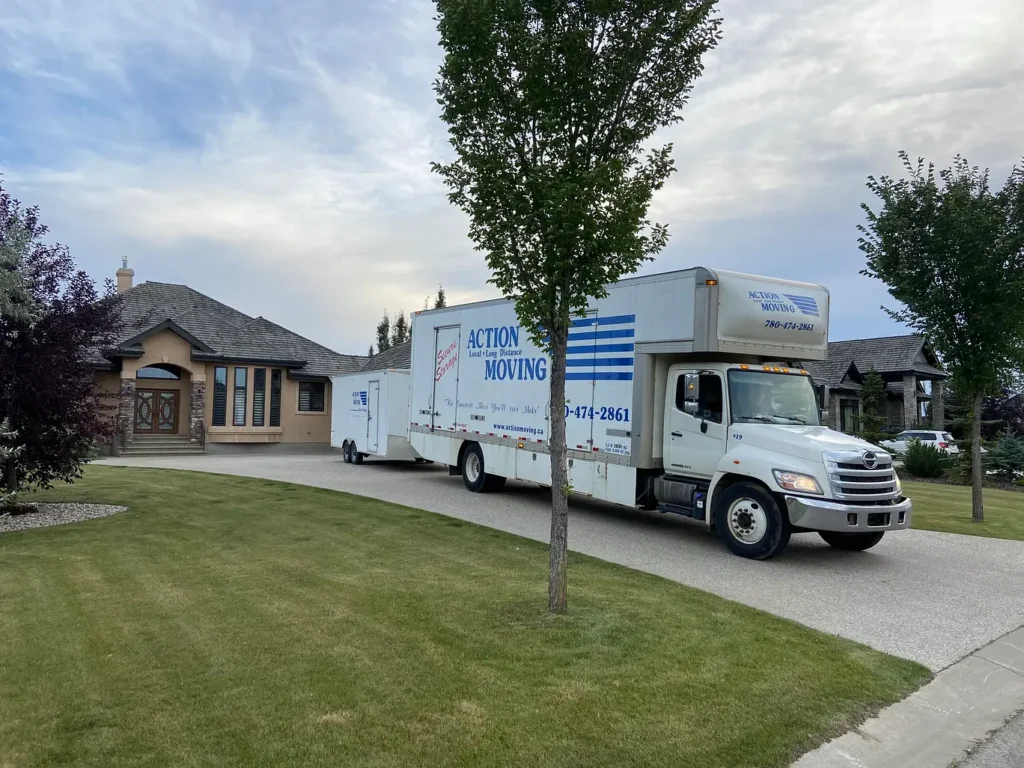
Not every move happens months in advance. Sometimes life throws unexpected changes your way – a sudden job transfer, a closing date that moved up, a family emergency, or a landlord requiring a quick relocation. At Action Moving & Storage, we understand that urgent moves require more than speed. They require organization, communication, and a team that knows how to adapt quickly. Since 1988, we’ve helped families and businesses throughout Edmonton and Western Canada navigate unexpected relocations. Here’s what you can expect when you trust us with a last-minute move. We Start With a Fast Assessment When you contact us, our first priority is understanding your situation. Our emergency movers in Edmonton quickly gather details such as: Your moving timeline Pickup and delivery locations The size of your move Any specialty items involved Packing and storage requirements Our goal is to build a practical plan that gets your move underway without unnecessary delays. We Work to Accommodate Tight Timelines Last-minute moves can be stressful, but we’ve spent decades building systems that allow us to respond efficiently. Depending on availability, we work to: Arrange trucks and moving crews quickly Adjust schedules when possible Coordinate residential and commercial moves Provide flexible moving solutions Keep communication clear throughout the process We know that when time is limited, responsiveness matters. We Offer Packing Assistance Packing an entire home or office on short notice can feel overwhelming. That’s why we offer professional packing services to help speed up the process. Our team can assist with: Full packing services Partial packing Fragile item protection Furniture wrapping Loading and unloading By handling the packing, we help reduce stress and ensure your belongings are properly protected for transport. We Handle Residential and Commercial Emergencies Unexpected moves happen in all kinds of situations. Over the years, we’ve helped with: Sudden home sales Apartment relocations Office moves Corporate transfers Downsizing projects Senior transitions Storage-related moves Every move is different, which is why we tailor our approach to fit your specific needs. We Prioritize Care, Not Just Speed Moving quickly should never mean sacrificing quality. Even during urgent relocations, we take the time to protect your belongings properly. We use: Protective moving blankets Professional packing materials Careful loading techniques Organized inventory practices Experienced crews Our priority is delivering your belongings safely while keeping the process efficient. We Provide Storage Solutions When Plans Change Emergency moves don’t always follow a perfect timeline. Sometimes your new home or office isn’t ready right away. That’s why we offer flexible storage options that allow you to: Store a few items Store your entire household Use short-term storage Arrange long-term storage if necessary Having storage available gives you additional flexibility during uncertain situations. We Keep You Informed One of the biggest concerns during an urgent move is uncertainty. We believe communication makes a difference, so we focus on: Answering questions promptly Providing updates throughout the move Coordinating schedules clearly Keeping expectations realistic Being available when you need us Even when timelines are tight, we want you to feel informed and supported every step of the way. What Makes Our Process Different? Many people searching for emergency movers in Edmonton need more than someone with a truck – they need a team they can rely on during a stressful time. For more than 35 years, we’ve built our reputation on professionalism, accountability, and experience. We use trained in-house crews, never subcontract your move to third parties, and provide a full range of services including residential moving, commercial moving, packing, long-distance relocations, and storage solutions. We’re Ready When Life Changes Unexpectedly Unexpected moves are rarely convenient, but we’ve learned that preparation, communication, and experience can make all the difference. Whether you’re relocating across the city or across Western Canada, we approach every move with the same commitment to reliability and customer care. From the moment you call us until the last box is delivered, we focus on making a stressful situation feel more manageable. That’s what we’ve been doing since 1988, and it’s what we’ll continue to do for every customer who trusts us with their move.
How to Pack for a Long Distance Move from Edmonton (Room-by-Room Guide)

Long-distance moves require more preparation than local relocations. Since your belongings will spend more time in transit and may be handled multiple times, proper packing is essential to protect your items and make unpacking easier at your new home. This room-by-room guide will help you stay organized and avoid common packing mistakes when moving from Edmonton. Start With a Packing Plan Before packing a single box, create a checklist and timeline. Ideally, start packing four to six weeks before moving day. Gather supplies such as: Sturdy moving boxes Packing tape Bubble wrap Packing paper Labels and markers Furniture blankets Zip-top bags for hardware and small items Having the right materials from the start will save time and reduce the risk of damage. Kitchen The kitchen usually takes longer to pack than expected because of fragile dishes and small appliances. Tips for Packing the Kitchen Use smaller boxes for dishes and glassware. Wrap each item individually. Pack plates vertically rather than stacking them flat. Empty and clean appliances before moving day. Use towels and linens for additional cushioning. Label boxes as “Fragile.” Dispose of expired food and avoid transporting perishable items on long-distance moves. Living Room Living rooms often contain electronics, décor, and bulky furniture that require special attention. Packing Tips Remove batteries from remote controls. Take pictures of cable connections before disconnecting electronics. Wrap televisions with moving blankets or original packaging if available. Secure lamps and fragile decorations separately. Use furniture covers to protect sofas and chairs. Keeping cords and accessories together in labeled bags makes setup easier later. Bedrooms Bedrooms are generally easier to pack, but organization is key. What to Do Pack off-season clothing first. Use wardrobe boxes for hanging clothes. Store jewelry and valuables separately. Place screws and hardware from bed frames in labeled bags. Keep essential clothing accessible for the first few days after arrival. Creating an overnight bag with toiletries and necessities can make the first night much more comfortable. Bathrooms Bathrooms contain many small items that are easy to overlook. Before Packing Dispose of expired medications and cosmetics. Seal liquids in plastic bags to prevent leaks. Pack towels and toiletries separately. Keep daily-use items accessible until moving day. Avoid overpacking bathroom boxes, as many items are heavier than they appear. Home Office Documents and electronics require careful organization. Best Practices Back up important files. Label cords and accessories. Use original boxes for computers if possible. Pack documents in waterproof containers. Carry passports, legal papers, and financial records with you. Sensitive documents should never be loaded onto the truck without proper protection. Garage and Storage Areas Garages often contain awkward, heavy, and hazardous items. Tips Drain fuel from lawn equipment. Dispose of paint, chemicals, and propane tanks according to local regulations. Bundle tools together securely. Use durable boxes for heavy items. Label seasonal decorations and sporting equipment clearly. Decluttering before packing can significantly reduce moving costs. Packing Fragile Items Long-distance transportation places extra stress on fragile belongings. Protect valuable items by: Using plenty of padding. Filling empty spaces inside boxes. Double-boxing delicate objects. Labeling fragile boxes clearly. Taking photos of expensive items before packing. Many homeowners hire professional long distance movers in Edmonton because they have the experience and equipment needed to safely transport fragile belongings over long distances. Create an Essentials Box Pack one box that stays with you during the move. Include: Medications Chargers Toiletries Snacks Important documents Basic kitchen supplies A few changes of clothes Having immediate access to necessities makes settling into your new home much easier. Common Packing Mistakes to Avoid Avoid these common errors: Waiting until the last minute. Overloading boxes. Forgetting to label boxes. Mixing rooms together. Packing prohibited items. Underestimating how many supplies you’ll need. Planning ahead can save time, money, and unnecessary stress. Make the Journey Easier With Action Moving Long-distance relocations involve more than simply transporting boxes from one place to another. They require coordination, careful packing, and reliable transportation. From packing assistance and secure loading to storage solutions and delivery, we focus on creating a smooth experience from start to finish. Our experienced team understands the challenges that come with major relocations, and as trusted long distance movers in Edmonton, we’re committed to helping you arrive at your new home with confidence and peace of mind.
Questions to Ask a Moving Company Before You Book

Hiring a mover is about more than finding the lowest price. The company you choose will be responsible for transporting everything you own, so asking the right questions before signing a contract can help you avoid delays, hidden fees, and damaged belongings. Here are the most important questions to ask before booking. 1. Are You Licensed and Insured? This should be the first question on your list. A reputable company should have proper licensing and liability coverage. Insurance protects your belongings if something is damaged or lost during the move. Ask for proof of insurance and understand what level of protection is included. Basic coverage and full-value protection are very different, so make sure you know exactly what you are getting. What Services Are Included in the Quote? Not all estimates cover the same things. Some companies only provide loading and transportation, while others offer packing, unpacking, furniture assembly, and storage. Ask for a detailed breakdown of services so you know what is included. Clarify whether the quote covers: Packing materials Disassembly and reassembly of furniture Appliance handling Stairs or elevator fees Fuel charges Long carry fees Transparent pricing helps eliminate surprises on moving day. Is the Estimate Binding or Non-Binding? A low quote may look appealing, but it can become much more expensive if the estimate is non-binding. Ask whether the company offers a binding estimate that guarantees the price based on the inventory provided. Request the estimate in writing and review it carefully before committing. Do You Use Employees or Subcontractors? Some moving companies outsource jobs to third-party crews. While subcontracting isn’t always a problem, it can create inconsistencies in service quality and accountability. Ask whether the movers handling your belongings are company employees or independent contractors. Companies that use trained, in-house crews often maintain higher standards and better communication throughout the move. How Do You Handle Fragile or Specialty Items? Items like pianos, antiques, artwork, mirrors, and electronics require special handling. If you have anything valuable or delicate, ask about the company’s experience with specialty moves. Questions to ask include: Do you use custom wrapping or padding? Are special crates available? Have you moved similar items before? Is additional insurance recommended? An experienced team should have clear procedures for protecting high-value belongings. What Happens if Something Gets Damaged? Even with careful planning, accidents can happen. Ask about the claims process before booking. Find out: How damage claims are filed. How long the process takes. What documentation is required. Whether repairs or replacements are covered. Companies that explain their policies clearly are usually easier to work with if issues arise. Can You Provide References or Reviews? Customer feedback gives you insight into how a company performs in real-world situations. Look for reviews that mention: Punctuality Professionalism Communication Care with belongings Accuracy of quotes Don’t rely solely on testimonials featured on a website. Third-party review platforms often provide a more balanced picture. What Is Your Cancellation or Rescheduling Policy? Life happens, and moving dates sometimes change. Before paying a deposit, ask: Is the deposit refundable? How much notice is required to reschedule? Are there cancellation fees? Understanding these terms ahead of time prevents unnecessary stress if your plans shift unexpectedly. Do You Offer Storage Solutions? Sometimes moving timelines don’t line up perfectly. If your new property isn’t ready, temporary storage may be necessary. Ask whether the company offers: Short-term storage Long-term storage Climate-controlled units Secure facilities Having storage available through the same provider can simplify the entire moving process. How Long Have You Been in Business? Experience matters. Companies with years of successful moves have typically refined their systems and know how to handle challenges efficiently. Ask how long they’ve been operating and whether they specialize in residential, commercial, local, or long-distance moves. Established moving companies usually have proven processes and trained crews that help ensure a smoother experience. What Should I Do Before Moving Day? Preparation plays a major role in the success of your move. Ask your mover for recommendations regarding: Packing timelines Labeling boxes Protecting valuables Disconnecting appliances Parking arrangements Elevator reservations A professional company should provide clear guidance to help you prepare and avoid last-minute complications. Why Work With Us? We understand that moving can be stressful, which is why we focus on making the process as simple and organized as possible. With more than three decades of experience, fully trained crews, transparent pricing, and a commitment to treating every customer’s belongings with care, we take pride in delivering dependable moving services throughout Edmonton and Western Canada. If you’re looking for the best movers in Edmonton, we are here to provide professional support, honest communication, and a smooth moving experience from start to finish.

