
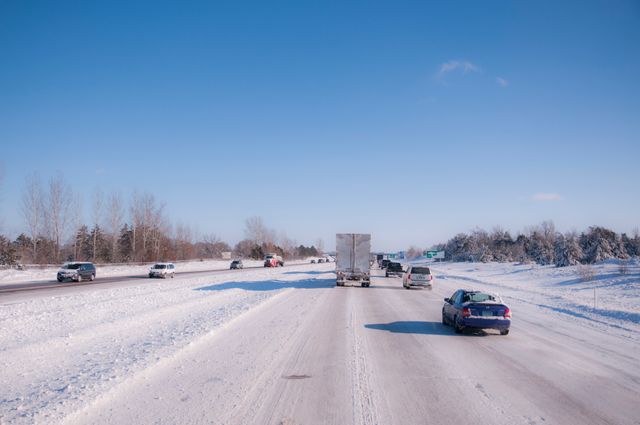
Nobody chooses to move during a cold snap, but in Edmonton, possession dates don’t wait for a chinook. Every winter, thousands of households end up loading trucks when the thermometer reads -25°C or lower, with wind chill pushing it well past -30°C.
At those temperatures, the problem isn’t only the people doing the lifting. Cold changes how materials behave. Plastic cracks, glass becomes brittle, wood shrinks, and electronics can be damaged the moment they come back inside. A winter move goes well when you understand what the cold does to each type of belonging and plan around it.
What Extreme Cold Does to Your Things
It helps to know what you’re protecting against.
- Plastics lose flexibility and can snap under a load they’d easily handle in July. That includes storage bins, patio furniture, children’s toys, and the casings on many small appliances.
- Glass and ceramics don’t freeze, but they become more vulnerable to sudden impacts and to rapid temperature changes. A frozen glass tabletop carried into a warm house and set down hard can crack.
- Wood contracts in dry, frigid air. Antique furniture, solid wood dressers, and musical instruments can develop splits or loose joints when they move between extremes.
- Electronics suffer most when they warm up too fast. Moisture condenses on cold circuit boards inside the casing, and switching a device on while it’s damp inside can damage it permanently.
- Liquids freeze and expand, cracking bottles and splitting containers.
- Batteries drain quickly in the cold, and some lithium-ion batteries can be damaged if they’re charged while still frozen.
Book Smart and Start Early
In December, Edmonton gets fewer than eight hours of daylight, and the coldest part of the day is often right around sunrise. That leaves a short window to load, drive, and unload.
When you contact movers in Edmonton, ask for the earliest arrival window available and confirm what the crew does to protect items in severe cold. Ask, too, whether the move could be rescheduled if an extreme cold warning is issued, and whether heated storage is available if the dates slip. Winter moves tend to run a little longer than summer ones, so budget for extra time rather than counting on the best-case estimate.
Packing for the Deep Freeze
Your packing choices make a bigger difference in winter than at any other time of year.
- Double-box fragile items. Pack dishes, glassware, and ornaments in a small box, then place that box inside a larger one with crumpled paper or towels between them. The air gap slows how quickly the contents cool and gives extra protection against impact.
- Use cardboard over plastic bins for anything heavy. Cardboard handles cold better than many cheap plastics, which can split at the corners when dropped. If you do use bins, choose sturdy ones and don’t overfill them.
- Wrap wood furniture fully. Moving blankets do more than prevent scratches. They act as insulation and slow the rate at which wood cools and warms, which helps reduce cracking.
- Pack electronics in original boxes when you can. Otherwise, wrap them in blankets or towels, add a layer of plastic to keep out moisture, and label the box clearly so it isn’t left near a cold door.
- Keep a “do not load” area. Set aside a closet or a corner of one room for items that will ride in your heated car. Mark it clearly so the crew knows to skip it.
The Items That Should Never Ride in the Truck
At -30°C, some belongings simply shouldn’t spend an hour in an unheated truck.
- Houseplants, which can die from a few minutes of exposure
- Liquids, including cleaning products, oils, wine, and canned goods
- Medications, especially anything that’s temperature sensitive
- Laptops, phones, tablets, cameras, and spare batteries
- Important documents and irreplaceable photos
- Pets, of course, along with their food and bedding
Plants need extra care even in your car. Wrap each one loosely in paper or a light sheet, warm the vehicle before carrying them out, and move them in the shortest possible trip.
Prepare Your Appliances
Large appliances need some attention before a winter move, mainly because of trapped water.
Washing machines hold water in the pump and hoses. If it freezes in the truck, it can crack the pump or split a hose. Drain the machine fully, following the manufacturer’s instructions, and disconnect and dry the hoses.
Dishwashers and fridges with water lines need the same treatment. Shut off the water supply, drain the lines, and empty the ice maker. Defrost freezers a day or two ahead and dry them thoroughly.
Once appliances arrive at the new home, give them time to reach room temperature before you run them. Many manufacturers recommend waiting several hours, and sometimes longer for refrigerators, so the compressor oil can settle.
Loading Order Matters
Ask your crew to load the most cold-sensitive items last so they spend the least time in the truck and come off first at the other end. That usually means TVs, computers, wooden furniture, and boxes of glassware. Sturdy items like bed frames, metal shelving, and tools can go on first.
Experienced movers in Edmonton plan load order around the cold as a matter of routine, but it’s still worth a quick conversation before loading begins, especially if you have antiques, instruments, or expensive electronics.
Protect Both Homes
Front doors stay open for long stretches on moving day, and both houses lose heat quickly.
At the old home, close interior doors to bedrooms and bathrooms so the furnace isn’t trying to warm the entire house. At the new one, turn the heat up a few hours before the truck arrives so the house is warm enough to absorb the cold air rushing in. Don’t shut the furnace off at either address.
Lay heavy mats and floor runners at entrances to protect against snow, slush, and ice melt. Clear the driveway and walkways, spread grit or ice melt on steps, and make sure the path from the truck to the door is as short and direct as possible. Turn on exterior lights so the crew isn’t working in the dark by mid-afternoon.
Give Everything Time to Warm Up
This is the step most people skip because they’re eager to settle in.
Once the boxes are inside, leave them closed for a few hours. Let electronics sit until they’ve fully reached room temperature, ideally overnight for large TVs and computers. Leave wood furniture wrapped for a while so it warms gradually. Avoid putting cold glassware straight into hot water.
Don’t Forget Your Own Vehicle
Plug in your block heater the night before, and keep the car warm for transporting plants, electronics, and pets. Pack an emergency kit with a blanket, a scraper, a phone charger, and snacks. If your move involves highway driving, check road conditions before setting out.
A -30°C moving day is never going to be pleasant, but it doesn’t have to cost you anything you own. Packing with insulation in mind, keeping sensitive items in a heated vehicle, draining appliances, and giving everything time to warm up will protect almost all of your belongings. And if you’re still choosing movers in Edmonton for a winter date, ask how they handle extreme cold before you book. The answer will tell you a lot.

