
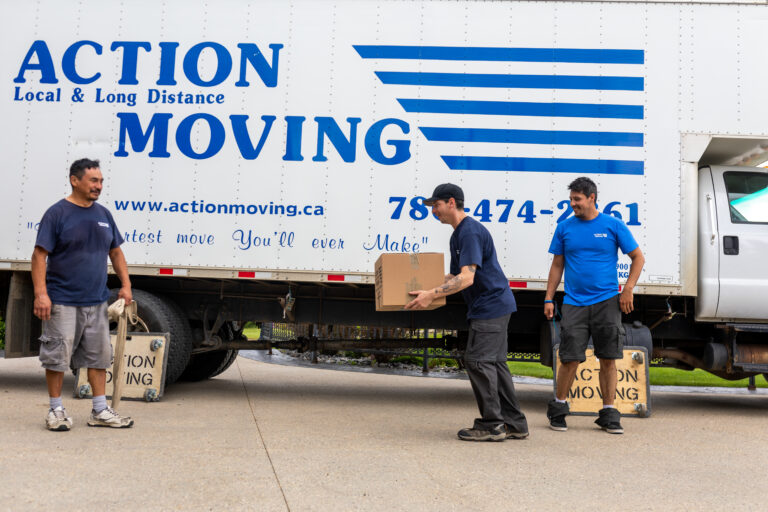
Moving near the end of summer in Edmonton can be a practical choice, but it comes with its own set of timing, weather, and scheduling considerations. Families may be preparing for the new school year, renters may be changing homes before fall, and people who postponed their summer move may suddenly be working with a much tighter timeline.
Knowing what to expect can help you prepare and avoid last-minute problems that can turn an otherwise manageable move into a stressful day. If you plan to hire movers in Edmonton, it helps to understand how late-summer demand can affect availability and scheduling.
Why Late Summer Can Be a Busy Moving Period
The end of summer sits at an interesting point in Edmonton’s moving calendar. The peak summer period may be winding down, but demand can remain strong.
Several groups may be moving at this time:
- Families relocating before school begins
- Students moving into new accommodations
- Renters changing homes at the end of a lease
- Homeowners completing summer purchases or sales
- People relocating before colder weather arrives
This means popular dates can still fill quickly. Weekends and month-end dates may be particularly competitive.
If your moving date is flexible, ask about weekday availability or less popular dates. If your date is fixed, booking as early as possible gives you more opportunity to secure the schedule you need.
Edmonton Weather Can Still Be Unpredictable
Late summer does not necessarily mean consistently mild weather. Edmonton can experience hot days, sudden rain, strong winds, and rapidly changing conditions. While extreme winter concerns are not yet the primary issue, weather can still affect loading, unloading, driving, and the protection of your belongings.
Check the forecast several days before your move and again shortly before the crew arrives. If rain is expected, protect the paths between the truck and your home where possible. Keep cardboard boxes away from wet surfaces and make sure particularly sensitive belongings are appropriately protected.
If temperatures are high, remember that moving furniture and boxes is physically demanding. Keep drinking water available and allow the crew to work safely rather than rushing them simply to meet an overly tight schedule.
Your Moving Date May Affect More Than the Truck
A common mistake is to think about the moving date only in terms of when the movers in Edmonton arrive.
Your move may also depend on:
- Lease start and end dates
- Home possession dates
- Elevator reservations
- Utility connections
- Cleaning appointments
- Key exchanges
- Storage availability
- School schedules
- Work commitments
Try to map these events before confirming your final schedule. For example, if your new rental is not available until late afternoon, there may be little value in booking a morning arrival unless you have somewhere to store your belongings temporarily. The goal is to create one connected timeline rather than a collection of separate appointments.
Start Packing Earlier Than You Think
Late-summer moves often happen alongside other seasonal responsibilities. Families may be shopping for school supplies, returning from vacations, or trying to finish summer activities while preparing for relocation.
That makes procrastinating on packing particularly risky. Start with things you do not use every day:
- Seasonal decorations
- Books
- Extra kitchenware
- Decorative items
- Off-season clothing
- Storage areas
- Spare bedding
As moving day approaches, work toward your everyday essentials. Avoid leaving the majority of your packing for the final 24 hours. If the movers arrive while you are still filling boxes, the loading process can become slower and more complicated.
Declutter Before Everything Goes Into a Box
Moving is an ideal opportunity to reduce what you own. Instead of automatically packing everything, ask yourself whether you have used each item recently and whether it makes sense in your new home.
Sell, donate, recycle, or dispose of items you no longer need before moving day. This can have several benefits. You may need fewer boxes, less truck space, and less loading time. You also avoid spending money transporting things that you will eventually throw away or donate anyway.
For renters moving into a smaller property in Edmonton, measuring the new space before packing is particularly useful.
Pay Attention to School-Year Timing
If you have children, the end of summer can create additional scheduling pressure. Moving immediately before school begins means you may need to unpack bedrooms, organize clothing, prepare school supplies, and establish new routines within a short period.
If possible, allow yourself some breathing room between moving day and the first day of school. Prioritize the spaces your family needs immediately. Bedrooms, bathrooms, basic kitchen supplies, clothing, and school-related items should be easy to access. You do not need to unpack the entire house on the first night.
Confirm Building and Parking Requirements
Apartment and condo moves require additional coordination. Your building may have rules regarding:
- Elevator reservations
- Moving hours
- Loading zones
- Parking
- Protective floor coverings
- Insurance documentation
- Access codes
- Move-in or move-out procedures
Contact property management before moving day and confirm exactly what is required. Do not assume that because you have rented the unit, the movers in Edmonton can simply arrive and park outside. A blocked loading area or unavailable elevator can create significant delays.
Think About Edmonton Traffic and Construction
Road conditions can affect move timing even when the distance between two properties is relatively short. Construction projects, road closures, congestion, and detours can all increase travel time. Edmonton’s road network is continually affected by seasonal construction and maintenance, so it is worth checking current conditions before moving day.
If you are moving during a busy traffic period, discuss the timing with your moving company and avoid scheduling important appointments immediately after the expected completion of your move. A little flexibility can prevent one traffic delay from derailing the entire day’s schedule.
Protect Your Most Important Belongings
Not everything should go into the moving truck. Keep essential documents, identification, jewelry, medications, electronics containing important data, keys, and other irreplaceable items with you whenever practical.
Prepare a personal essentials bag with:
- A change of clothes
- Toiletries
- Chargers
- Medications
- Important documents
- Basic cleaning supplies
- Snacks
- Water
- Pet supplies, if applicable
Having these items accessible means you do not have to open multiple boxes immediately after arriving.
Expect the Move to Take Longer Than the Drive
The distance between your old and new homes tells you very little about the total time required. A move includes more than transportation. Movers need to walk between the truck and the property, navigate stairs or elevators, protect furniture, load the truck, secure belongings, drive to the destination, unload, and place items inside.
A short-distance move can therefore still take several hours. When planning your day, leave a reasonable buffer rather than assuming everything will happen exactly according to the shortest possible timeline.
Make Your New Home Ready Before Arrival
If you want unloading to go smoothly, prepare the new property before the truck arrives. Make sure you have access to the home and that pathways are clear. If possible, identify where major furniture pieces should go before unloading begins.
Labeling boxes by room makes this much easier. Instead of telling movers where every box belongs individually, you can use clear labels such as:
- Kitchen — Open First
- Primary Bedroom
- Bathroom
- Living Room
- Office
This reduces confusion and helps you begin unpacking more efficiently.
Do a Final Walkthrough
Before leaving your old property, check every room, closet, cabinet, storage area, garage, balcony, and outdoor space. Look behind doors and inside less obvious storage areas. Check that appliances have been disconnected if required and that nothing important has been left behind.
If you are renting, document the property’s condition after everything has been removed. Taking dated photographs can provide a useful record for your own files. At the new property, inspect the space before or during unloading and make a note of any existing damage.
Plan for the First 24 Hours, Not Just the Move
The move is not finished when the last box enters your new home. Think about what you will need that evening and the following morning. Have bedding available, make sure the bathroom is usable, keep basic kitchen supplies accessible, and know where your essential documents and chargers are.
If children or pets are involved, prepare their essentials separately so they can settle into the new environment more easily. You can leave decorative items, books, and non-essential belongings for later.
In short, moving near the end of summer in Edmonton can work well when you plan around the realities of the season. Demand may still be high, weather can change, traffic and construction can affect travel time, and families may be working against the start of a new school year.
The most effective strategy is to remove uncertainty wherever possible. Book movers in Edmonton early, finish packing before moving day, confirm building access, protect important belongings, check the weather and road conditions, and give yourself enough time for loading and unloading.

